How To Avoid Dry Hits On Your Geek Bar Pulse?
A dry hit on your Geek Bar Pulse—when the vapor feels harsh, smoky, and vaguely like burnt paper or charcoal instead of smooth, flavorful clouds—can instantly ruin a vaping session. Fortunately, in most cases, dry hits are not an unavoidable flaw in the device itself, but rather the result of simple avoidable mistakes in how you fill, use, and care for your vape. The Geek Bar Pulse’s sealed pod, dual-mesh coil technology, and smart-screen indicators actually make it quite effective at preventing dry hits, as long as you respect its limitations and design. In this detailed guide, we’ll walk you through exactly why dry hits happen, how to avoid them at every stage of usage, and how to recognize when it’s time to replace the device rather than fight a losing battle with heat and dryness.
What Exactly Is a Dry Hit?
A dry hit occurs when the coil inside the Geek Bar Pulse has insufficient e-liquid soaking through the wick to vaporize properly. The mesh element gets hot and burns whatever thin film of juice or flavor residue remains, instead of vaporizing a clean, saturated pool of e-liquid. This creates a noticeably sharp, ashy, or bitter taste and often comes with stronger throat irritation than normal. In many disposable vapes, a single dry hit is unpleasant enough, but repeated dry hits can permanently compromise the coil, dulling flavor and tightening the throat hit for the rest of the device’s life.
Because the Geek Bar Pulse is non-refillable and uses a built-in mesh coil system, understanding when and why e-liquid supply becomes inadequate is key to keeping that burnt-taste scenario in check. With a few light preventative habits, most users find they can either avoid dry hits altogether or at least delay them until the device is nearing the very end of its puff count.
Balancing Puff Timing and Frequency
One of the leading causes of dry hits on a device like the Geek Bar Pulse is puff timing and frequency: pulling too often, too hard, or for too long without giving the wick time to re-saturate. Mesh coils are excellent at heating e-liquid quickly and evenly, but they still rely on a constant supply of liquid migrating through the cotton-like wick. When you chain-puff aggressively—taking hit after hit with little or no pause—the coil remains hot while the condensed juice at its core drains faster than gravity and capillary action can replace it.
To avoid this, try to build in short natural pauses between pulls. Taking one or two puffs, then waiting 10–15 seconds before the next allows the wick to breathe and re-draw fresh e-liquid from the reservoir pools around the coil. This style of vaping usually feels smoother and more consistent, and carries a much lower risk of meeting that harsh, dry-hit sensation head-on. For heavier-use sessions, think of your vape like a drink: a brisk sip-burp pattern is manageable, but constant swapping without a pause strains the system and leads to a less pleasant experience.
Letting the Device Finish Its Prime Phase
Even though the Geek Bar Pulse comes pre-filled and ready to use, it still benefits from a brief in-mouth priming phase before you treat it like an all-out device. Some first-time users dive right into firm, sustained draws immediately after removing the protective seal, before the internal wick structure has had a chance to fully absorb the concentrated juice. This can trick the device into firing at close-to-dry conditions, which not only dulls initial flavor but can also set the tone for early dry hits moments later.
A good practice is to start a new Geek Bar Pulse with lighter, more exploratory puffs for the first few dozen hits. Short, easy-pressure pulls give the cotton and mesh time to saturate evenly and build a stable liquid film over the entire heating surface. After that brief settling-in period, you can gradually move into your typical puff style, with longer draws or more frequent use, while keeping pauses between puffs in the 5–10 second range when possible. This priming-then-progress approach mimics how refillable pod users prime new coils, helping to prevent the first wave of dry hits before you even realize they’re avoidable.
Managing Juice Levels and Warning Signs
Fueling the coil properly is perhaps the most critical dry-hit prevention move on any disposable vape, including the Geek Bar Pulse. When the e-liquid level gets low, even slightly, the coil no longer sits fully immersed in liquid; instead, it starts pulling from the edges and corners where only thin layers of juice remain. In this regime, every draw risks skimming that thin film off the top and leaving the wick temporarily dry, especially if you’re using Pulse mode or deep, powerful inhales.
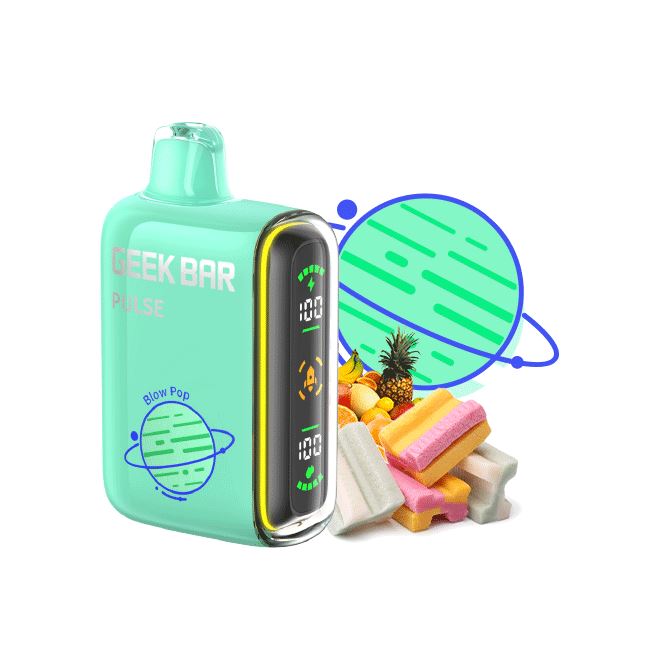
Thankfully, many Geek Bar Pulse-style devices include a small screen that tracks juice level and battery, making it easy to see when you are drifting toward the low-liquid zone. When that juice bar starts heading into the lower quarter, a good strategy is to gently ease up on your puff intensity and frequency. Switching back to Regular mode, shortening your pulls, and spacing puffs further apart can help preserve the remaining liquid and keep the coil comfortably wet right up to the final usable hits. This approach won’t extend the device’s life indefinitely, but it can help you avoid the jarring transition from pleasant vaping to searing dry hits during the tail end of the puff cycle.
Handling Pulse vs Regular Mode Carefully
The Geek Bar Pulse’s dual-mode system—moving between Regular and Pulse—is one of its most attractive features, but it also raises the dry-hit risk if you’re not mindful of how you use each option. Pulse mode increases wattage and typically provides a more intense vaping experience, but that extra power also demands more liquid per hit and generates more heat at the coil surface. When users immediately set the Geek Bar Pulse to Pulse and start chain-puffing aggressively from the outset, they can tip the balance between supply and demand, particularly if the wick is still settling in or if the juice level isn’t at its maximum.
To steer clear of dry hits while still enjoying Pulse mode, reserve it for moments when you truly want a power spike. Try a few generous, moderate-length pulls in Pulse to savor the richer throat hit and flavor, then step back into Regular mode for smoother background vaping between those bursts. Using Pulse as an enhancement rather than your default approach maintains a more balanced rhythm and reduces the chance that you’ll accidentally push the coil into near-dry conditions for too long.
Charging and Temperature Management
Because the Geek Bar Pulse is USB-C rechargeable, some users mistakenly believe that keeping the battery perpetually topped off also protects the flavor. However, repeated fast charging or vaping while the device is connected to a charger can push both the battery and coil into higher temperature ranges, which in turn affects how the e-liquid wets the wick. Heat can thin the juice just enough to change its viscosity and movement through the wick, and can also increase evaporation dynamics inside the pod. This subtle shift can boost the likelihood of temporary hot-spot dry hits even when juice levels still look decent.
A safer routine is to charge the Geek Bar Pulse fully when the battery icon drops into the low-percentage range, then disconnect and allow the device to cool for a short time before heavy use. If you notice an odd heaviness or harshness right after recharging, consider taking a few lighter pulls initially while the internal components normalize, rather than pushing into aggressive chain-puffing right away. This cooling-down period helps maintain both battery and coil health and reduces the probability of dry hits creeping into your standard routine.
Storage, Orientation, and Airflow Care
Beyond puff style and power settings, the way you store and handle the Geek Bar Pulse also influences dry-hit risk. Extreme temperatures—left in a hot car, under direct sunlight, or in a very cold environment—can alter e-liquid viscosity and internal pressure, affecting how smoothly the juice flows to the wick. A static, upright storage position is ideal, because it keeps the coil surrounded by liquid and lets gravity assist steady wicking. Lying the device completely horizontal for long periods may unbalance the internal liquid and cause pockets of air or thin coverage around certain spots on the coil, which can later become hot-spot dry areas.
Another factor often overlooked is airflow management. Over time, dust, lint, or residual e-liquid can clog the small airflow channels or intake vents that feed air past the coil. When airflow drops or becomes uneven, even slightly, the vaporization dynamics change and the coil may intermittently starve of fresh air, which can coincide with a noticeable rise in dry-hit sensations. A quick visual check of the mouthpiece and intake vents, followed by gentle clearing using clean air or a soft brush, can restore smooth airflow and help avoid unnecessary dry hits triggered by blockages rather than low juice.
Fixing the Burnt Taste While Preventing Future Dry Hits
Sometimes even careful users encounter a burnt or bitter note partway through their Geek Bar Pulse journey. In many cases, this is the legacy of an earlier run of dry hits that scorched flavor compounds and left residue on the mesh elements. Fixing the burnt taste usually means easing back on aggressive puff habits and letting the remaining e-liquid wash over the coil more gently. Switching permanently back to Regular mode, taking shorter, softer puffs, and allowing longer pauses between pulls can sometimes soften the harshness a little, even if it doesn’t fully erase prior damage.
Fixing the burnt taste also involves a practical mindset: schedule your longest, hardest pulls for earlier in the device’s life, when juice levels are high and the wick is fresh. As the juice bar falls, gradually dial down your draw intensity and treat the remaining puffs as winding-down hits rather than binges. If the burnt taste persists as the dominant flavor despite gentler vaping, that is usually a sign the coil has been pushed too far; at that point, replacing the disposable is the wisest path, since further strain will not restore the original clean flavor profile.
Conclusion
Avoiding dry hits on your Geek Bar Pulse is less about sudden, heroic fixes and more about consistent, mindful habits. Slowing down your puff rhythm, respecting both Regular and Pulse modes, monitoring juice and battery cues, and storing the device in cool, upright conditions all work together to keep the coil nicely saturated and the vapor clean. When a dry hit does happen, treating it as a warning sign rather than a one-time accident—and backing off the heat and frequency for a while—can soften the impact and delay more serious flavor damage. Ultimately, the Geek Bar Pulse rewards thoughtful use, and by aligning your puff style with its engineered limits, you can enjoy rich, smooth vaping for as much of its advertised puff count as possible, while steering clear of that sharp, unpleasant dry-hit cliff.