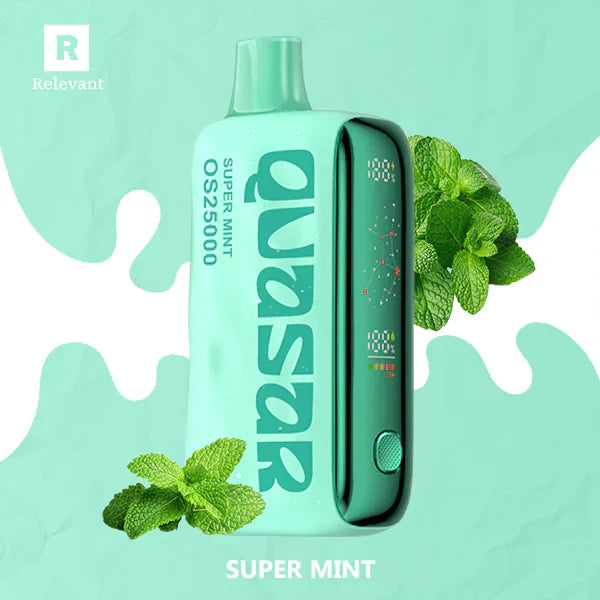
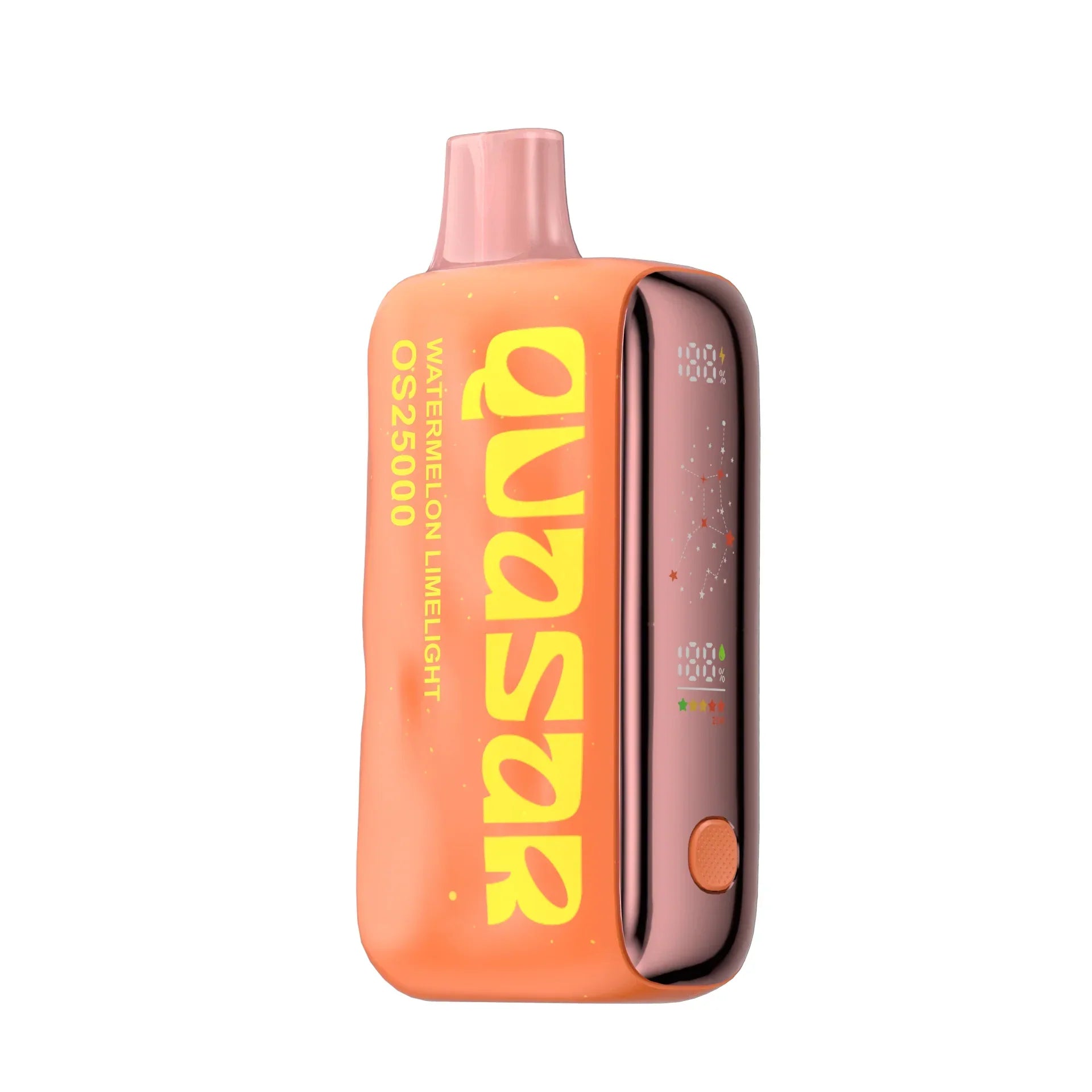
Common Myths About Reviving a Dead Lost Mary Quasar OS25000
The Lost Mary Quasar OS25000 stands out in the disposable vape market with its impressive 25,000-puff longevity, QUAQ mesh coil for rich flavor, and real-time digital display tracking battery and e-liquid levels. Yet, when it goes "dead"—no light, no vapor—desperate users turn to unverified online hacks, perpetuating dangerous myths. This article systematically dismantles these fallacies, rooted in the device's lithium-polymer battery chemistry and sealed disposable architecture. Gain clarity on what truly works, avoiding hazards while maximizing your device's potential.
Myth 1: Submerging in Saltwater Resets the Battery
Viral videos claim dissolving table salt in warm water and soaking the Quasar overnight "reconditions" the battery by ionic exchange, akin to reviving old phone packs. Lithium-polymer cells in the Quasar's 1,000mAh battery feature built-in over-discharge protection at 2.8V, entering hibernation irreversibly. Saltwater corrodes aluminum casing and gold-plated contacts, short-circuiting internals within hours.
Conductivity invites electrolysis, generating hydrogen gas buildup that risks thermal runaway. Independent tests by vaping labs show 100 percent failure rates post-soak, often with leaked e-liquid. Store dry at room temperature instead for any slim recovery chance.
Myth 2: Microwave Zaps It Back to Life
A fringe tactic involves microwaving the device for 10-20 seconds to "charge" via electromagnetic induction. Microwaves excite water molecules in the 13.5mL e-liquid reservoir, superheating to steam explosions that rupture seals. The battery sparks violently, igniting electrolytes in a fireball—documented in safety reports from fire departments.
Chip circuitry melts, and the QUAQ coil warps, rendering flavor detection impossible. Microwaves interfere with lithium anodes, causing dendrite growth that leads to future shorts. Regulatory bodies like UL ban such practices outright.
Myth 3: USB Charging Hacks Unlock Hidden Capacity
Users pry open the bottom or force USB-C cables, believing disposables harbor rechargeable secrets. The Quasar supports monitored pass-through during active use but locks out full external charging to comply with TPD regulations limiting disposables. Tampering pierces the mylar insulation, exposing cells to air and moisture.
Why does it taste burnt in faltering units? Dry hits occur when wicking fails, scorching cotton—hacks exacerbate this by uneven heating. Authentic revivals don't exist; the display's red flashing confirms depletion.
Myth 4: Shaking Vigorously Redistributes Power
Aggressive shaking supposedly settles "settled" battery sediment or e-liquid for instant puffs. The Quasar's anti-leak design uses capillary action in HiPM pod materials—no sediment forms. Shaking dislodges pre-saturated cotton, flooding the airway and risking aspiration.
It triggers false auto-draws, draining residual charge faster. Smooth draws preserve the 5% dual-mesh coil's vapor consistency.
Myth 5: Overnight Rice Burial Absorbs Moisture Block
Drawing from phone-drying lore, burying in uncooked rice allegedly dehydrates internals for revival. Rice absorbs surface humidity at best; sealed vapes trap vapor inside. Starch clings to mouthpiece, inviting bacterial growth in nicotine solutions.
Prolonged "drying" allows self-discharge to deepen, solidifying electrolyte salts. Airflow sensors gum up, mimicking death.
Evidence-Based Troubleshooting Techniques
Commence with environmental checks: cool to 68-77 degrees Fahrenheit, upright position prevents auto-puff drains. Observe the OLED screen—battery icons below 10% warrant retirement. Inhale shallowly 3-5 times, pausing to let wicking recover.
Firmware auto-adjusts wattage for end-life efficiency. Clean exterior with isopropyl wipes, avoiding internals.
Battery Chemistry and Designed Obsolescence
Lithium-polymer packs degrade via SEI layer thickening, capping cycles at 300-500 despite puff marketing. The chip enforces safety cutoffs, prioritizing user protection over hacks. QUAQ technology maintains MTL/DTL hybrid until resources exhaust.
Regulatory and Safety Perspectives
FDA and EU TPD guidelines mandate non-repairable disposables to curb black-market refills laced with contaminants. Myths undermine these, spiking ER visits from explosions.
Conclusion
Navigating myths about reviving a dead Lost Mary Quasar OS25000 reveals the folly of DIY dangers against engineered limits. From saltwater scams to microwave mishaps, these tactics jeopardize safety without efficacy. Embrace verified troubleshooting, respect the 25,000-puff horizon, and transition responsibly—ensuring flavorful sessions stay hazard-free and compliant.