How to Check for Internal Damage in the Raz DC25000?
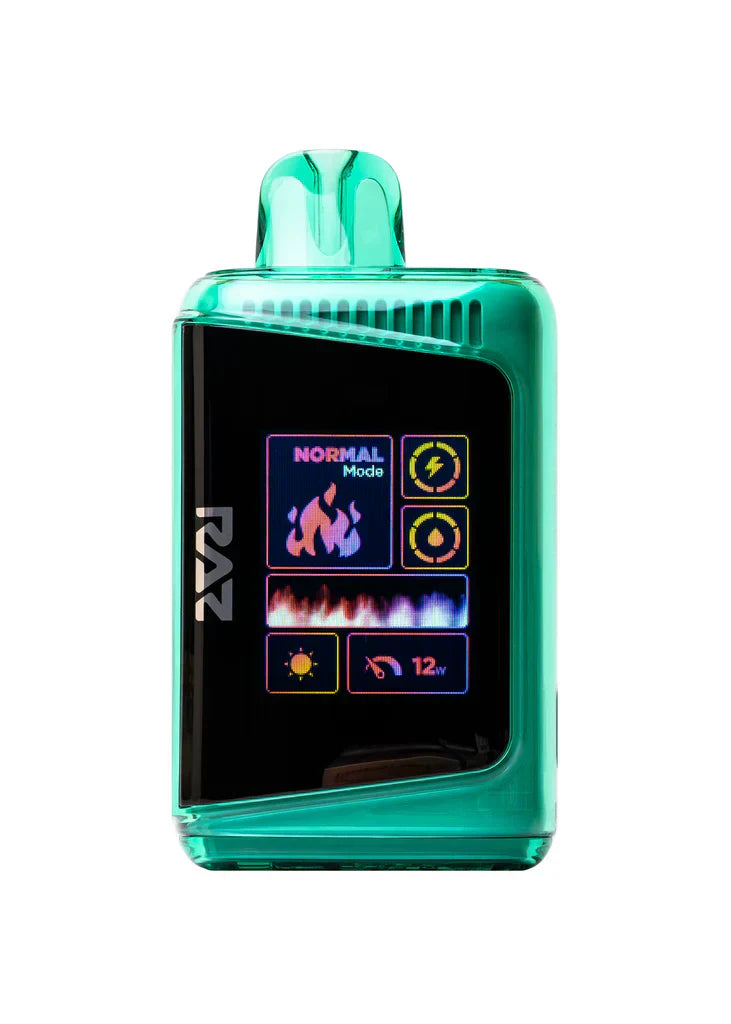
The Raz DC25000 is engineered as a high-capacity disposable vape with up to 25,000 puffs, dual mesh coils, an 800mAh rechargeable battery, and an intuitive digital screen, all protected by a resilient aluminum chassis. Despite these robust features, internal damage from drops, overheating, or manufacturing defects can compromise safety and performance without obvious external signs. Detecting such issues early prevents risks like battery failure or chemical leaks. This in-depth guide provides step-by-step protocols for assessing internal integrity, drawing on manufacturer troubleshooting, expert teardowns, and user-verified methods to empower thorough evaluations.
Visual and Tactile External Inspections
Begin every internal damage check with a meticulous external examination, as surface clues often betray hidden problems. Hold the Raz DC25000 under bright, direct light to scan for micro-cracks, dents, or hairline fractures along the chassis seams, mouthpiece, and USB-C port—these indicate impact stress transferred to internals. Gently squeeze the body; flexing or creaking suggests weakened structural bonds around the e-liquid tank and battery bay. Check the screen for discoloration, dead pixels, or erratic icons, which signal PCB vibrations.
Feel for abnormalities: a swollen midsection hints at battery expansion, while uneven warmth (hot spots near the base) points to shorted circuits. Wipe the device with a microfiber cloth; residue or oily film around seals reveals leaks infiltrating wiring. Shake it softly—rattles imply loose coils or battery tabs. These non-invasive steps flag a majority of internal issues before advanced testing.
Battery Health Assessment Procedures
The dual lithium-ion batteries demand prioritized scrutiny, as damage here poses fire risks. First, inspect charging: connect a 5V/1A USB-C cable and observe the screen—solid red should transition smoothly to green within 45-60 minutes without exceeding 45°C (113°F). Excessive heat, failure to register charge, or rapid drain post-full cycle indicate degraded cells or loose connections.
For deeper checks, perform a rest cycle: power off with five rapid clicks, wait 30 seconds, then reactivate. Monitor voltage if equipped with a multimeter—probe exposed contacts (after cautious disassembly if needed) for 3.7-4.2V steady output. Swelling is a red flag: measure dimensions against specifications; any visible bulge warrants immediate discard. An extended power-button hold (18-20 seconds) can reset firmware, revealing whether battery faults persist through abnormal LED or screen behavior. Persistent irregularities confirm internal puncture or electrolyte breakdown.
Coil and E-Liquid System Diagnostics
Coils and tanks hide damage that manifests as poor flavor or dry hits. Initiate with sensory tests: inhale gently—gurgling, burnt aftertaste, or weak vapor signals flooding or coil warping. Is hard pulling bad? Yes, as it stresses damaged coils, accelerating degradation and increasing the risk of inhaling unvaporized e-liquid. Assess airflow by adjusting vents fully open; blockages or whistling sounds denote internal misalignment from impacts.
Leak detection involves upright storage for 24 hours—any puddle formation or dampness indicates seal breaches allowing PG/VG migration toward electronic components. Apply gentle pressure to the tank; hissing or seepage exposes fractures. Performance drops after cleaning airflow channels may further confirm trauma-induced faults rather than routine wear.
Screen and PCB Functionality Tests
The digital screen and PCB orchestrate operations, making them vulnerable to jolts. Begin with a reset using the standard five-click power cycle. If icons freeze or flicker, attempt a hard reset via the recessed reset point if accessible. Persistent glitches, inaccurate puff counts, or inconsistent mode switching suggest PCB instability.
Test puff counter accuracy against a manual tally over 50-100 draws. Significant discrepancies indicate sensor or logic damage. Overheating diagnostics include moderate usage cycles followed by rest periods; abnormal temperature spikes suggest irregular wattage regulation. If accessible, continuity tests on charging ports using a multimeter (resistance below 1 ohm) can identify fractured internal traces.
Advanced Disassembly and Professional Inspection
For comprehensive verification, partial disassembly is possible but typically voids any warranty. Carefully remove the base using appropriate precision tools to expose the battery and PCB assembly. Inspect solder joints for dull or cracked surfaces, coil windings for scorching, and wiring insulation for fraying. Use compressed air at low pressure to clear debris. Electrical testing should confirm expected resistance values for coils and thermal components.
Professional vape technicians may employ non-destructive diagnostics such as X-ray imaging or oscilloscope testing to identify hidden fractures or signal irregularities. Diagnostic services generally provide high accuracy in pinpointing faults like internal shorts or battery degradation.
Interpreting Results and Safety Thresholds
Compile findings systematically by evaluating battery behavior, leakage signs, coil performance, and PCB stability. Multiple red flags—such as heat buildup combined with leaking—warrant immediate disposal. A clean inspection across categories permits continued use with ongoing monitoring. When uncertainty remains, prioritize safety over extended use, as internal damage compounds over time.
Preventive Measures Post-Inspection
Routine checks extend device life: perform weekly visual inspections, keep airflow channels clean, and store the device upright in moderate temperatures between -10°C and 50°C. Avoid repeated drops and consider protective cases to minimize impact stress. Tracking performance trends helps detect gradual degradation before safety thresholds are crossed.
Conclusion
Checking for internal damage in the Raz DC25000 requires a layered approach—from tactile external scans and battery diagnostics to electrical and performance testing—uncovering threats invisible to the eye and ensuring safe operation. By methodically applying these assessments, users reduce the likelihood of hazards such as battery failure, chemical leaks, or toxin exposure. When significant irregularities appear, replacement is the prudent course. Safety must always outweigh attempts at salvage.