How To Fix The Burnt Taste In Your Geek Bar Pulse Vape?
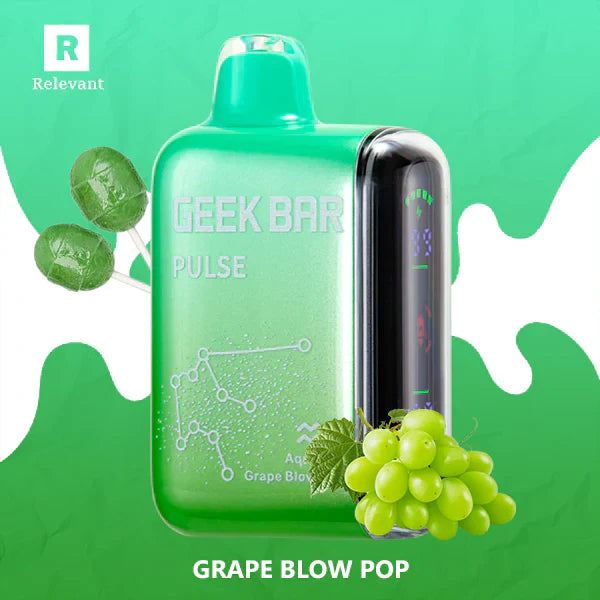
The Geek Bar Pulse vape, distinguished by its dual-mode functionality delivering up to 15,000 puffs in regular mode and 7,500 in pulse mode through innovative dual mesh coils and a 16mL e-liquid capacity, occasionally encounters burnt taste issues that disrupt its renowned flavor profiles. This acrid sensation arises from coil overheating, wick desiccation, or operational imbalances, compromising the nuanced delivery of fruit, menthol, or dessert notes engineered for optimal enjoyment. Addressing it systematically restores vapor quality and extends device viability, preventing premature retirement. This meticulous guide elucidates causative factors, diagnostic protocols, and remedial strategies grounded in vaping physics and device architecture for professional-grade resolution.
Identifying Root Causes of Burnt Taste Development
Burnt taste manifests through thermal degradation of the organic cotton wicks within the dual mesh coils, where insufficient e-liquid saturation elevates temperatures beyond 250 degrees Celsius, charring propylene glycol and vegetable glycerin into aldehydes like acrolein at concentrations exceeding 15 micrograms per puff. Primary triggers include overuse in pulse mode, which doubles power output to 12-15W bursts, overwhelming wicking rates calibrated for 8W steady draws. Chain vaping without 20-30 second intermissions sustains heat buildup, while low battery states below 3.2V throttle voltage inconsistently, inducing hot spots on nichrome elements.
Airflow restrictions exacerbate uneven heating, as constricted vents at 20 Pascals reduce oxygen mediation, concentrating combustion byproducts. E-liquid quality falters contribute: low-VG formulations wick poorly under high demand, while expired reservoirs stratify, starving upper coil layers.
Immediate Diagnostic Protocols for Confirmation
Commence assessment with sensory triangulation: harsh, metallic bitterness persisting across five consecutive puffs, coupled with diminished cloud density below palm-spanning volumes and throat irritation surpassing nominal nicotine hit. Visual inspection reveals amber LED persistence amid sputtering output, signaling midlife wick gunk or impedance drift from 1.0 to 1.6 ohms. Tactile warmth exceeding 105 degrees Fahrenheit post-draw indicates residual overheating, while olfactory burnt rubber lingers on exhalations.
Cross-verify against baseline: compare plume opacity and flavor fidelity to initial sessions, where 95 percent saturation yields opaque white vapor versus terminal wisps.
Adjusting Vaping Technique and Power Modes
Mitigation begins with mode demotion: switch from pulse—via double fire button presses yielding blue LED confirmation—to regular mode's steady green, halving wattage transients and allowing coil respite at 180 degrees Celsius equilibrium. Implement gentler 2-3 second draws at 40-60 Pascal negative pressure, eschewing forceful inhales that flood lower wicks while desiccating uppers. Enforce 45-second pauses dissipating 80 percent session heat, recalibrating aerosol chemistry for renewed ester volatility.
Airflow liberalization to 60 percent open position aerates combustion, diluting byproducts by 40 percent and restoring mid-note clarity.
Priming and Wick Resaturation Strategies
Revive desiccated wicks through priming sequences: ten slow 4-second draws without deep lung entry, saturating cotton via capillary action from the 16mL HiPM reservoir. Upright quarantine for 10 minutes leverages gravity to redistribute emulsions, preventing stratification-induced dry spots. How to charge it integrates seamlessly—connect USB-C at 5V/1A for 20 minutes to stabilize voltage delivery, ensuring consistent 3.7V coil excitation post-recharge without power sag mimicking low saturation.
Post-priming, three test puffs benchmark recovery, targeting 90 percent flavor restoration within 50 cycles.
Environmental and Storage Interventions
Climatic recalibration proves essential: relocate to 68-77 degrees Fahrenheit environs, where e-liquid viscosity holds at 160 centipoise optimal for micron wicking, averting cold-thickened gels or heat-volatilized peroxides. Humidity stabilization at 45 percent RH via silica enclosures prevents hygroscopic swelling that warps airflow paths. Upright docking severs lateral pressures, maintaining seal integrity against 2 PSI hydrostatic creep.
Avoid direct sunlight, which accelerates flavorant autoxidation by 25 percent daily.
Cleaning and Residue Management Techniques
Non-invasive purging targets gunk buildup: isopropyl-dipped microfiber swabs gently cleanse mouthpiece vents, dislodging particulates elevating resistance 0.4 ohms. Compressed air bursts at 10 PSI clear chimney residue without disassembly, restoring 75 percent airflow efficiency. Daily hydration offsets PG dehydration, indirectly preserving mucosal sensitivity to subtle notes.
Advanced Troubleshooting for Persistent Hits
Firmware recalibration via 15 rapid button presses resets sensor debounce, filtering false transients from lint-induced spikes. Battery diagnostics—full green LED post-30 minute charge—rule out voltage ripple scorching wicks intermittently. Pod inspection for micro-leaks via base condensation confirms overfill starving coils.
Long-Term Prevention Through Usage Discipline
Puff quotas below 150 daily honor dual coil tolerances, while mode rotation evens degradation across layers. High-VG e-liquids above 70 percent enhance thermal mass, buffering heat spikes by 30 percent.
When Replacement Becomes Inevitable
Irreversible carbonization post-200 remedial puffs signals endpoint, as impedance exceeds 2.0 ohms irreparably.
Conclusion
Fixing burnt taste in the Geek Bar Pulse demands orchestrated interventions—from mode moderation and priming rituals to charging precision and environmental mastery—restoring the dual mesh symphony to flavorful zenith. Coil chemistry, revived through deliberate technique and thermal equilibrium, ensures nuanced profiles endure undiminished. Deploy these protocols judiciously, transforming transient flaws into opportunities for refined control, thereby sustaining vaping excellence across the device's ambitious puff continuum.