What Causes Flavor Fade in the Lost Mary Quasar OS25000?
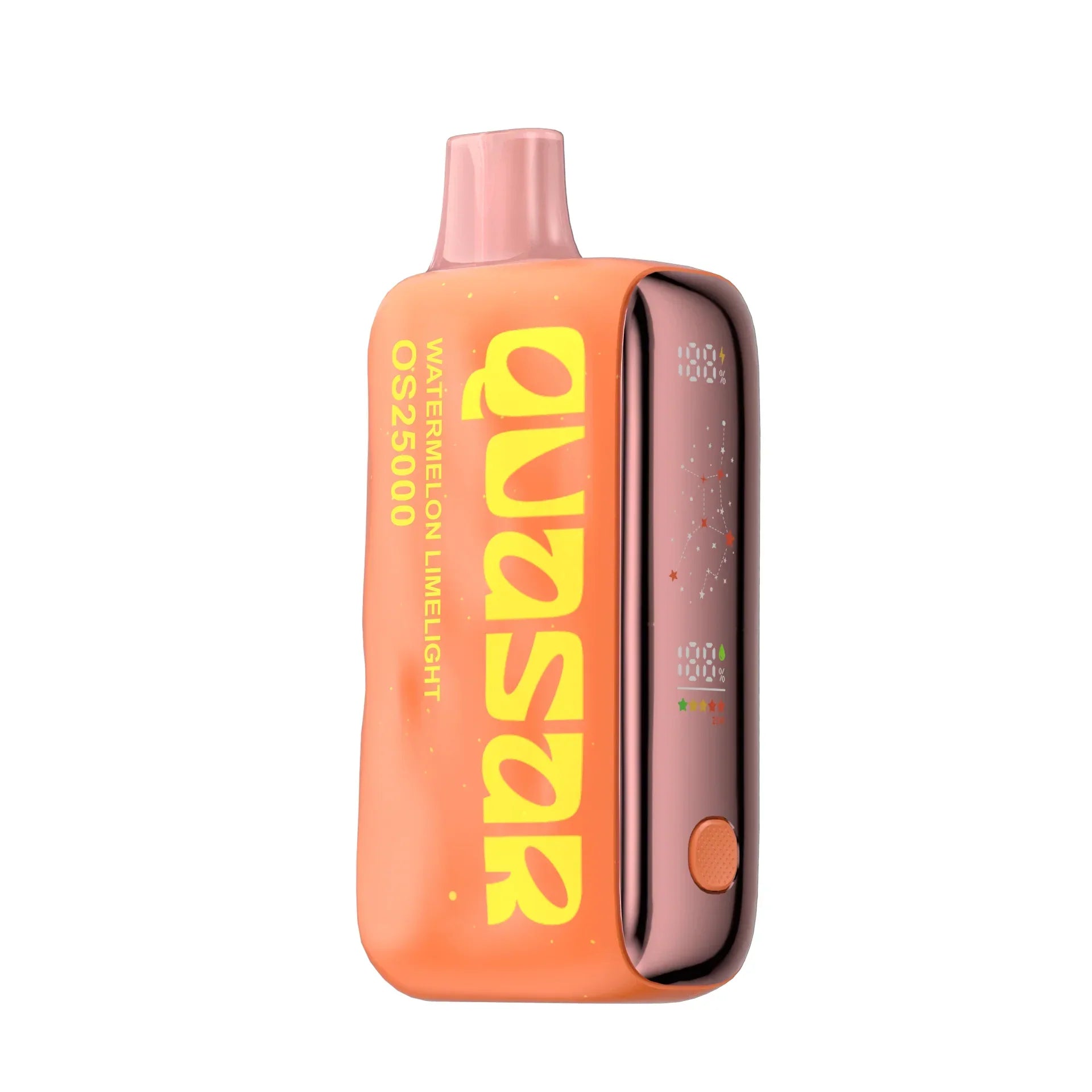
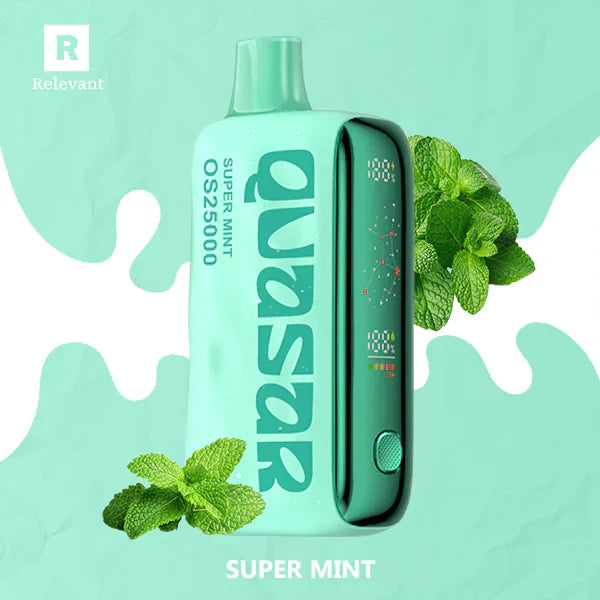
The Lost Mary Quasar OS25000, with its impressive 25,000-puff capacity, triple mesh coil technology, and 20ml pre-filled e-liquid reservoir, sets a high standard for flavor delivery in the disposable vape category. Users initially revel in its rich, nuanced profiles—from fruity medleys to cooling menthols—but many encounter a gradual flavor fade, where once-vibrant notes dull into muted or ashy undertones. This phenomenon undermines the device's promise of sustained excellence, often prompting premature disposal. Flavor fade arises from a confluence of internal degradation, usage dynamics, and external influences, each eroding the precise interplay between e-liquid, coils, and wicking systems. Recognizing these causes enables targeted interventions, preserving the Quasar OS25000's sensory integrity across its extended lifecycle and maximizing value for dedicated vapers.
Coil Degradation and Residue Buildup
Central to flavor fade in the Quasar OS25000 is the progressive wear of its triple mesh coils, which, despite their advanced layered design for even heating, accumulate gunk from repeated vaporization cycles. Sweetened e-liquids, rich in sucralose or other flavor enhancers, caramelize upon heating, forming a viscous residue that coats the mesh surfaces and impedes efficient e-liquid interaction. This buildup alters thermal conductivity, leading to uneven vaporization where certain flavor compounds fail to activate fully, resulting in a flattened profile. Over thousands of puffs, microscopic pitting and oxidation further compromise the coils' microstructure, diminishing their ability to extract volatile aromatics from the e-liquid. Heavy users notice this acceleration most acutely, as intensified operation hastens residue layering. While the Quasar's design incorporates robust alloys to resist early failure, inevitable degradation shifts bold inception notes to subdued echoes, underscoring the need for residue-minimizing habits.
Wicking Saturation Challenges and Dry Hit Onset
The cotton wicking system, engineered for rapid capillary draw from the generous reservoir, falters under conditions that disrupt saturation equilibrium, directly contributing to flavor dilution. Insufficient pauses between puffs prevent full rehydration, causing micro-dry spots where coils heat bare wick fibers, scorching subtle esters and introducing harsh overtones that mask primary flavors. To avoid dry hits, vapers must prioritize measured draws with adequate intervals, allowing gravity and surface tension to replenish the wick uniformly. Prolonged storage without use exacerbates this, as e-liquid evaporates from exposed cotton ends, concentrating remnants and altering base chemistry upon resumption. Airflow inconsistencies from minor condensates compound the issue, restricting liquid flow and yielding thinner, less flavorful aerosol. These wicking lapses transform the Quasar OS25000's initial punch into a whisper, as unsaturated coils prioritize survival over sensory fidelity.
E-Liquid Oxidation and Chemical Instability
E-liquid within the Quasar OS25000 undergoes oxidative breakdown over time, particularly when exposed to air pockets or light permeation through the opaque tank. Oxygen reacts with nicotine salts and flavorants, polymerizing compounds into less volatile forms that evade proper aerosolization, yielding a stale, cardboard-like fade. High VG ratios, while cloud-friendly, thicken post-oxidation, clogging wicks and forcing coils to labor against viscosity, further muting terpenes and sweeteners. Temperature fluctuations during storage or use accelerate this decay, as heat catalyzes Maillard reactions that brown flavor molecules prematurely. Users refilling or topping off—though not standard for disposables—risk introducing contaminants that catalyze instability. The interplay of these chemical shifts erodes the curated balance Lost Mary engineers into each pod, progressively stripping complexity until only base notes linger.
Power Settings and Thermal Imbalance Effects
Inappropriate power calibration disrupts the Quasar OS25000's flavor dynamics, as the adjustable 15-25W range demands alignment with e-liquid composition for optimal activation. Excessive wattage scorches delicate top notes before mid-palate development, charring volatiles into acrid byproducts, while underpowering fails to liberate full aromatic potential, leaving flavors underdeveloped. The triple mesh excels at mid-range settings, where layered heating extracts layered profiles without extremes; deviations here create thermal gradients that unevenly volatilize components. Battery voltage sag during late-cycle heavy use mimics low power, compounding fade as inconsistent energy delivery starves coils of precision. Cycling modes thoughtfully—favoring medium for endurance—mitigates these imbalances, sustaining the harmonic release that defines peak Quasar performance.
Usage Patterns and Environmental Influences
Intensive habits like extended sessions overwhelm the device's thermal dissipation, fostering localized hotspots that degrade flavor fidelity through accelerated breakdown. Chain vaping, with its relentless firing, exemplifies this by outpacing wick recovery and promoting residue flash-caramelization, dulling profiles session by session. Environmental assailants—high humidity fostering bacterial off-notes or arid air hastening wick desiccation—interact deleteriously, while suboptimal storage in warm vehicles evaporates stabilizers. Puff volume variability, from tight MTL draws to loose DTL, alters condensation rates, with looser styles diluting aerosols and washing out intensity. These patterns erode the Quasar OS25000's engineered equilibrium, turning vibrant orchestration into discordant fade.
Battery Performance and Airflow Restrictions
Diminishing battery efficacy indirectly mutes flavors in the Quasar OS25000, as voltage instability hampers coil ramp-up, under-extracting e-liquid solutes for lackluster vapor. Deep discharges elevate internal resistance, throttling power and yielding tepid hits where flavors dissipate mid-draw. Airflow vents, prone to subtle blockages from ambient particulates or e-liquid spatter, constrict draw dynamics, reducing oxygen mix that amplifies aromatics. Accumulated syrup from cooling vapors solidifies here, narrowing channels and forcing compensatory harder pulls that starve wicks. Routine port clearing restores balance, but unchecked progression amplifies fade through compounded inefficiencies.
Conclusion
In conclusion, flavor fade in the Lost Mary Quasar OS25000 stems from multifaceted degradation—coil gunking, wicking shortfalls, chemical shifts, power mismatches, usage extremes, and systemic restrictions—that collectively undermine its triple mesh prowess. Awareness of these catalysts equips vapers to intervene with paced draws, optimal settings, pristine storage, and vigilant maintenance, staving off decline and honoring the device's 25,000-puff ambition. Proactive stewardship transforms inevitable entropy into extended vibrancy, ensuring every puff recaptures the Quasar OS25000's signature allure.