
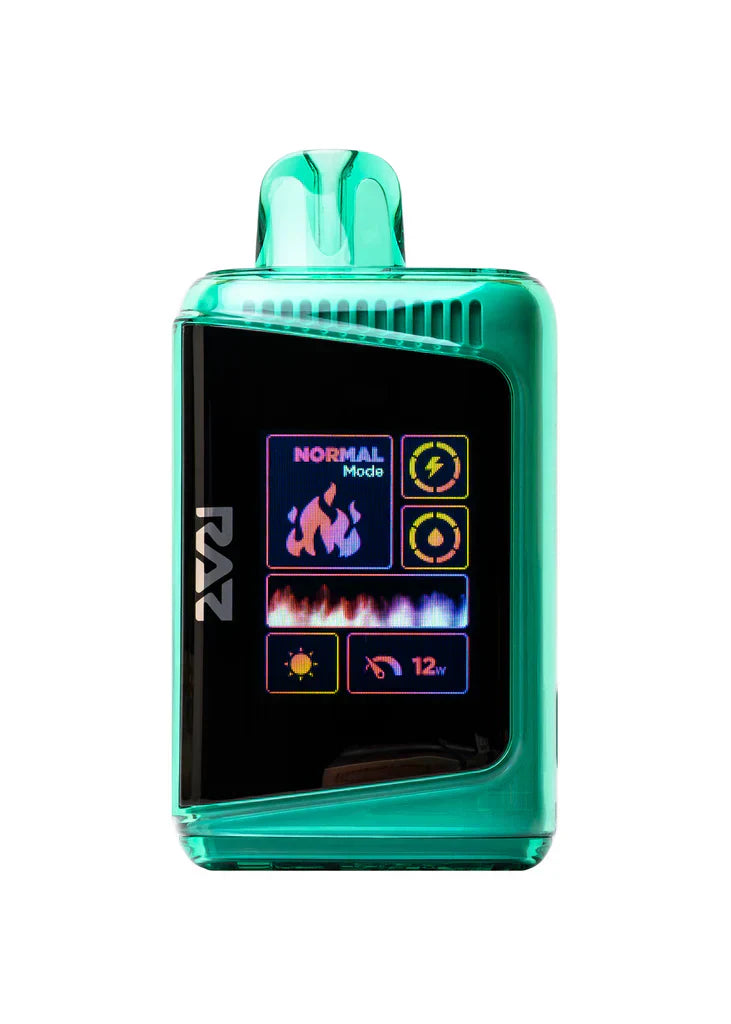
Should You Let the Raz DC25000 Battery Fully Drain?
You should never let the Raz DC25000 battery fully drain, as allowing a lithium-ion cell to reach zero percent capacity is one of the most damaging practices for its long-term health. Modern lithium-ion batteries are chemically engineered to operate within a specific voltage range, and pushing the voltage below the minimum threshold causes irreversible chemical degradation. When a battery is fully drained, the internal chemistry becomes unstable, risking the dissolution of the copper separator and the formation of dead lithium, which permanently reduces the battery's capacity. Therefore, the optimal strategy for maintaining the DC25000 is to keep the battery charge within a moderate range, typically between 20 and 80 percent, and to recharge it before it reaches the critical low-voltage cutoff.
The Chemical Dangers of Deep Discharge
Deep discharge refers to the state where a battery is allowed to drop below its safe voltage limit, effectively draining it to zero. In a lithium-ion cell, this low voltage causes the electrolyte to break down and the internal components to become unstable. Specifically, the anode material can begin to degrade, and the copper separator that prevents the anode and cathode from touching may dissolve into the electrolyte. This dissolution creates conductive paths that can lead to short circuits when the battery is charged again. Even if the device does not immediately fail, the damage is cumulative and permanent. Each time the battery is allowed to fully drain, a small amount of its capacity is lost, and the risk of a catastrophic failure increases. For the Raz DC25000, which relies on a compact high-performance cell, this degradation is particularly critical because the battery's small size means it has less margin for error than larger cells.
The Risk of Voltage Collapse and Inability to Charge
When a lithium-ion battery is fully drained, it often enters a state known as voltage collapse. This occurs when the internal resistance of the cell becomes so high that the voltage drops below the threshold required for the device to recognize the battery. In this state, the battery may appear dead even if it still has a small amount of residual charge. Attempting to charge a battery in this state can be dangerous because the high current required to restore the voltage can cause overheating or thermal runaway. The battery management system (BMS) in the DC25000 is designed to prevent this by cutting off power when the voltage is too low, but this protection can sometimes leave the user unable to recharge the device without a specialized charger. This is why it is crucial to avoid letting the battery drain completely; the cost of a replacement battery or device is far higher than the inconvenience of charging it more frequently.
Implications for Battery Management Systems
The battery management system in the Raz DC25000 is a critical component that monitors voltage, temperature, and current to protect the cell. However, the BMS is not a magic solution that can undo the damage caused by deep discharge. While it can prevent immediate overcharging or over-discharging during normal use, it cannot restore the chemical integrity of a cell that has been allowed to drain to zero. The BMS relies on the voltage feedback from the cell to make decisions, and if the voltage is too low, the system may not be able to communicate effectively with the charging circuit. This can lead to a situation where the device refuses to charge, leaving the user with a dead device. By avoiding full drainage, users ensure that the BMS remains within its operational range and can continue to protect the battery effectively.
The Impact on Long-Term Capacity and Cycle Life
The cycle life of a lithium-ion battery is defined by the number of charge and discharge cycles it can undergo before its capacity drops to a certain percentage, typically 80 percent. Allowing the battery to fully drain counts as a full cycle, which is more stressful on the cell than partial cycles. Partial charging, where the battery is topped up before it reaches 20 percent, reduces the stress on the cell and extends the total number of cycles it can deliver. This is because the battery does not experience the full range of voltage fluctuation, which is where the most chemical stress occurs. Over the lifespan of the DC25000, this practice can significantly extend the time the battery remains usable, ensuring that the device performs well for a longer period. Users who frequently let their battery drain will find that their device loses its ability to hold a charge much sooner than those who recharge it regularly.
Safe Charging Practices and Power Source Selection
When recharging the Raz DC25000, it is important to use a safe and stable power source to avoid introducing additional risks to the battery. Public charging stations, while convenient, often lack the regulation and safety features of personal chargers. They may provide unstable voltage or current, which can damage the battery's internal chemistry. Additionally, public USB ports can be a source of security risks, such as data theft or malware injection. For these reasons, it is essential to don't use public USB ports for charging the device. Instead, users should carry a personal charger or a high-quality power bank that provides a stable and regulated power output. This ensures that the battery is charged safely and efficiently, without the risk of external factors compromising its health.
Thermal Management During Charging
The charging process generates heat, and allowing the battery to charge from a fully drained state can increase the thermal load on the cell. A fully drained battery has a higher internal resistance, which means it requires more energy to raise the voltage, leading to more heat generation. This heat can accelerate the chemical degradation of the electrolyte and the electrodes, further reducing the battery's lifespan. By keeping the battery at a moderate charge level, the internal resistance is lower, and the charging process is more efficient, generating less heat. This thermal management is crucial for maintaining the health of the battery, especially in a compact device like the DC25000 where heat dissipation is limited. Users should also avoid charging the device in hot environments, as this can exacerbate the thermal stress and lead to faster degradation.
The Importance of Regular Maintenance
Regular maintenance is key to ensuring the longevity of the Raz DC25000 battery. This includes monitoring the charge level and recharging the device before it reaches the low-voltage cutoff. Users should also check the battery management system for any signs of malfunction, such as erratic voltage readings or unexpected shutdowns. If the device shows signs of battery degradation, such as a rapid drop in charge or difficulty holding a charge, it may be time to replace the battery. By staying proactive and avoiding common pitfalls like fully draining the battery, users can maintain the device's performance and reliability. Regular maintenance also helps identify potential issues early, preventing them from becoming irreversible problems.
Conclusion
Letting the Raz DC25000 battery fully drain is a harmful practice that leads to irreversible chemical degradation, voltage collapse, and a reduced cycle life. The lithium-ion chemistry at the core of the device is designed to operate within a specific voltage range, and pushing it to zero causes permanent damage to the internal components. To preserve the battery's health, users should adopt a partial charging routine, keeping the charge level between 20 and 80 percent, and avoid using unstable power sources like public USB ports. By following these guidelines, users can ensure that their device remains reliable, safe, and capable of delivering peak performance for its entire lifespan.