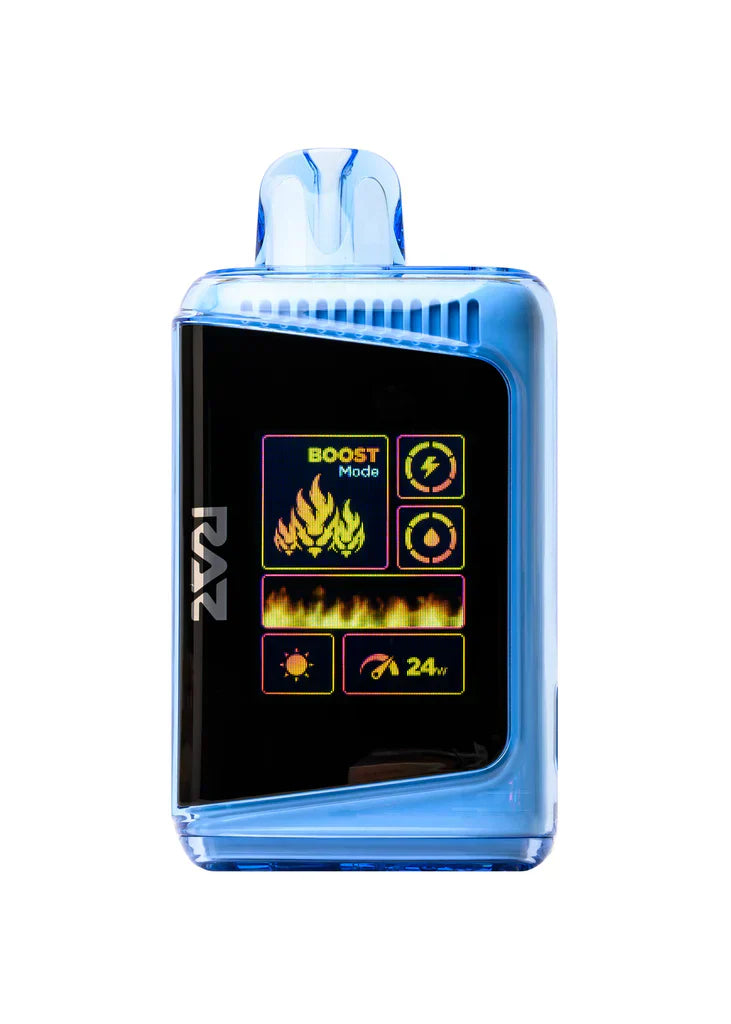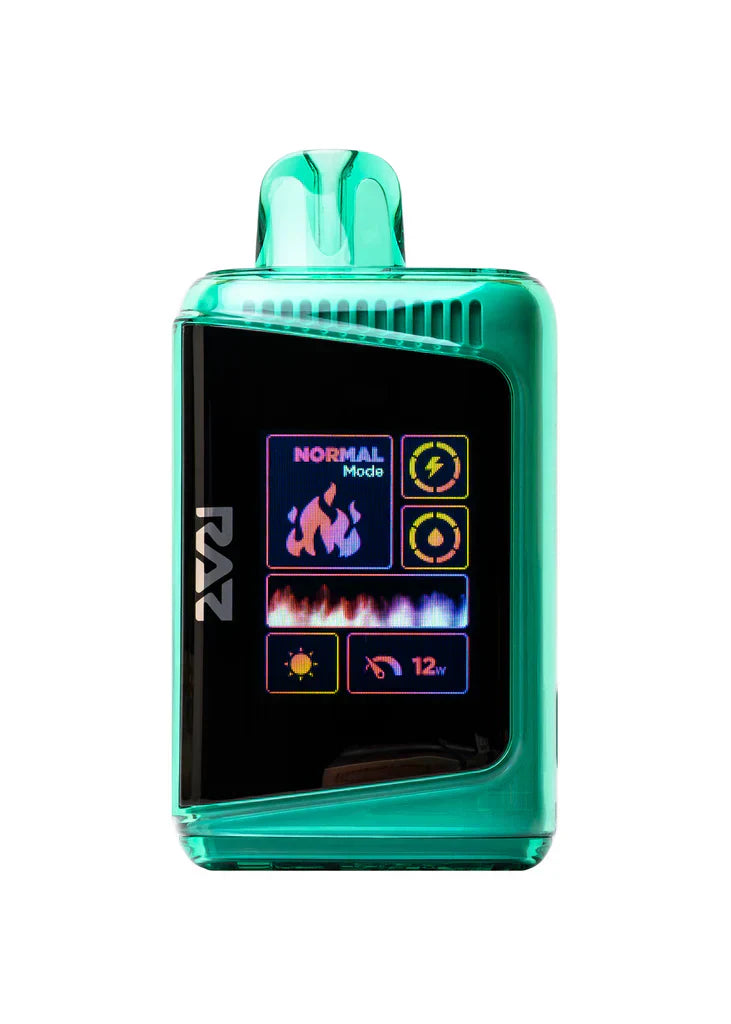

How to Avoid Dry Hits on the Breeze Prime?
Dry hits on the Breeze Prime disrupt sessions and signal that the heating element is operating hotter than intended or without sufficient e-liquid. Preventing them requires attention to device setup, liquid management, airflow behavior, and user habits that together determine how reliably the coil and wick remain saturated. The following sections explain the mechanisms that cause dry hits and offer practical, evidence-based guidance to keep vapor production smooth and flavorful.
Why dry hits occur
A dry hit happens when the heating element reaches temperatures higher than those needed to vaporize the available liquid, producing an acrid, overheated taste and sometimes a brief harsh sensation. Mechanically, the problem arises when the wick feeding the heater cannot supply liquid fast enough, or when liquid is absent in critical contact areas. Thermal runaway within the small heating zone exacerbates the effect: with less liquid present the coil’s temperature rises sharply because the expected cooling and heat transfer from vaporization are reduced. External factors—high-power draws, interrupted wicking, or degraded wick materials—change this balance and make dry hits more likely. Understanding this thermal and fluid dynamic is the first step to preventing the sensory and mechanical damage dry hits cause.
Selecting the right liquid and maintaining proper viscosity
E-liquid viscosity and composition control how readily liquid moves through the wick to the heating surface. Thicker liquids with high levels of vegetable glycerin travel more slowly through fine wicking materials, increasing the risk of temporary under-saturation during heavy draws. Conversely, very low-viscosity liquids can flood the chamber and cause sputtering rather than dryness. Choose liquids within the manufacturer’s recommended viscosity range for the Breeze Prime and avoid dramatic jumps in PG/VG ratio when switching flavors. If you prefer denser blends, moderate your draw strength or increase wait times between puffs to allow the wick to replenish. Consistency in liquid selection reduces surprises and keeps the system’s wetting characteristics predictable.
Proper priming and initial setup
A new coil or heating assembly needs deliberate priming to ensure the wick is fully saturated before use. Apply the recommended number of drops to exposed wick areas, insert the pod or cartridge, and allow time for liquid to wick into the coil body. Taking several gentle, no-power draws (or following the device’s priming procedure) helps draw liquid into tight fibers without overheating the element. Skipping priming or starting with long, forceful draws often pulls hot air through an under-saturated coil and delivers an immediate dry hit. Make priming a routine step whenever you replace the pod or change coil setups.
Airflow management and draw technique
Airflow rate and draw intensity influence how quickly liquid must vaporize to match demand. Long, strong draws increase the instantaneous vaporization rate, placing greater load on the wick’s supply. If you habitually take long, intense pulls, adapt by using lower-resistance pods or reduce puff duration to let the wick keep pace. For devices with adjustable airflow, open the flow slightly to lower the temperature and increase vapor movement without forcing the coil to run hotter. Gentle, measured draws let the liquid flow maintain equilibrium with vaporization and reduce the occurrence of sudden dry episodes.
Regular maintenance and inspection of pods and seals
Wear and contamination change wicking behavior over time. Residue buildup on wicks, blocked intake holes, or compromised seals alter how liquid reaches the heating surface. Periodic inspection and cleaning of pod contacts and visible intake areas remove gunk that impedes flow, and prompt replacement of aged pods restores the intended capillary action. If you notice sputtering, odd tastes, or reduced vapor despite proper priming, treat those as maintenance cues rather than transient events; continuing to use a compromised pod increases the chance of repeated dry hits and shortens component life.
Manage power settings and device firmware
High power increases the rate of vaporization and the thermal demand placed on the wick. If the Breeze Prime allows adjustable power, choose settings that match the coil’s specifications and the liquid’s viscosity. Running a coil at or above its maximum recommended wattage reliably produces dry hits as the liquid cannot evaporate quickly enough to cool the heating surface. Additionally, keep device firmware up to date if manufacturers provide updates; software refinements sometimes optimize power delivery and thermal protection, improving resistance to dry-hit conditions by moderating sudden surges.
Avoid behaviors that starve the wick
Certain user habits unintentionally reduce wick saturation. Storing the device horizontally or inverted can cause liquid to pool away from the coil, leaving the wick temporarily under-supplied when you resume use. Long gaps between puffs—followed by long, hard draws—also increase the chance of dry hits because the wick may have partially dried. When carrying spare pods or storing the device, keep it upright, and take shorter initial draws after periods of inactivity to allow the wick to re-equilibrate. These small behavioral adjustments preserve a consistent liquid supply to the heating element.
Recognizing early warning signs and responding quickly
Subtle cues precede full dry hits: a faint change in taste, a slight increase in draw resistance, or reduced vapor density can all indicate diminished saturation. When these appear, reduce the intensity of your draw, pause briefly to allow the wick to re-saturate, or take a couple of no-power draws to redistribute liquid. Replace pods that repeatedly produce these cues even after priming and maintenance. Quick, conservative responses prevent the more unpleasant and potentially damaging experience of a full dry hit.
When to replace parts and when to change habits
If you repeatedly encounter dry hits despite following proper priming, using appropriate liquids, and moderating puff style, the issue may be an aging pod, degraded coil, or unsuitable liquid choices. Replace suspect components and reassess your liquid viscosity and draw habits. For users who prefer denser liquids or very long draws, choose coils and pods rated for those conditions to ensure the wick structure and heating element can meet demand. Adjusting both hardware and behavior together yields the most reliable reduction in dry hits.