Can Excessive Vaping Damage the Geek Bar Pulse?
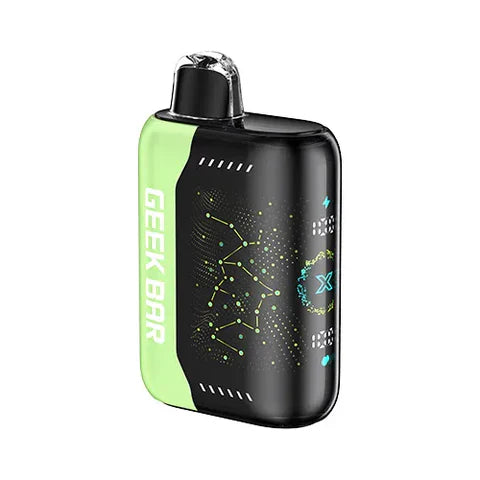
The Geek Bar Pulse is a precision-engineered device combining a rechargeable 700mAh lithium-ion battery, dual mesh coils, an adjustable airflow system, and a sensitive puff sensor. While designed for regular use, excessive vaping—defined as continuous, high-frequency activation far beyond normal usage patterns—places unsustainable stress on every critical component. This overactivation accelerates battery degradation, causes coil overheating and thermal damage, depletes e-liquid inefficiently, wears the puff sensor mechanically, and contaminates the airflow system. Understanding how excessive vaping damages each system reveals why moderation is essential for preserving performance and extending the device’s functional lifespan.
Battery Stress from Continuous High-Current Discharge
The 700mAh lithium-ion battery in the Geek Bar Pulse is calibrated for moderate discharge rates under normal usage. Excessive vaping forces the battery to deliver high current continuously, generating internal heat that accelerates electrochemical degradation. Each discharge cycle weakens the battery’s internal structure, and excessive vaping compresses many cycles into short timeframes, compounding stress. Users who vape excessively must recharge far more frequently, increasing the total number of charge cycles and accelerating capacity loss beyond the battery’s design tolerance.
Continuous high-current discharge also pushes the battery toward its minimum voltage threshold repeatedly. When the battery drains to low levels frequently, the electrochemical materials undergo stress that permanently reduces total charge capacity. The device’s 3D-curved display may show accurate percentages, but usable capacity shrinks because excessive vaping has degraded the battery’s ability to hold full charge. Over time, excessive vaping transforms a battery designed to last weeks into one requiring daily recharging, significantly shortening the device’s functional lifespan and increasing replacement costs.
Coil Overheating and Thermal Degradation
The dual mesh coils are engineered to vaporize e-liquid at controlled temperatures with moderate activation intervals allowing cooling periods. Excessive vaping subjects the coil to uninterrupted heating without adequate rest, causing heat to accumulate beyond safe operating ranges. This thermal stress warps the metal mesh, creates micro-fractures, and burns the wicking material that draws e-liquid to the coil surface. Once the wicking material degrades, it cannot properly saturate the mesh, leading to permanent burnt taste and dry hits even when e-liquid remains available.
Thermal degradation from excessive vaping also reduces vapor production efficiency. The warped mesh cannot heat evenly, creating hot spots that carbonize e-liquid and produce harsh, metallic flavors. Users who vape excessively often notice declining vapor intensity and flavor clarity after just a few days, whereas moderate usage preserves coil integrity for the full expected duration. The coil’s thermal lifespan is finite, and excessive vaping consumes it rapidly by forcing continuous operation beyond design parameters, requiring premature device replacement.
E-Liquid Depletion and Inefficient Consumption
The Geek Bar Pulse contains a fixed e-liquid volume designed for a specific puff count under normal usage patterns. Excessive vaping depletes this reservoir far faster than the battery’s natural lifespan, creating a mismatch where e-liquid runs out while the battery retains significant capacity. This imbalance forces users to discard the device prematurely because the coil cannot function without e-liquid, even though the battery remains functional. The advertised puff count becomes meaningless when excessive vaping accelerates depletion beyond design specifications.
Additionally, excessive vaping causes inefficient e-liquid consumption. Continuous activation in Pulse Mode and forceful draws waste e-liquid by flooding the coil or producing vapor denser than can be fully utilized. This inefficient consumption reduces the effective puff count below the device’s specification, meaning users get fewer total puffs than expected. Excessive vaping may empty the device in days rather than weeks, requiring frequent replacements that increase cost and reduce overall value. Moderation ensures e-liquid and battery deplete at compatible rates for maximum efficiency and longevity.
Puff Sensor Mechanical Wear and Failure
The puff sensor is a mechanical component designed to activate the coil when detecting moderate airflow pressure during normal inhalation. Excessive vaping subjects the sensor to continuous activation cycles, causing wear on its internal mechanism. Each activation requires the sensor to move from resting position to contact point, and frequent cycling gradually degrades this movement over time. The sensor becomes less responsive, requires harder draws to activate, or sticks in the activated position causing spontaneous firing that wastes battery and e-liquid.
Mechanical failure from excessive vaping is irreversible because the sensor is sealed within the device’s housing without accessible repair points. Users experiencing sensor problems from excessive vaping cannot replace just the sensor and must discard the entire device. The sensor’s durability depends on moderate activation frequency, and excessive vaping exceeds this tolerance by forcing continuous operation. Recognizing that the sensor has a finite lifespan helps users understand why excessive vaping accelerates failure and reduces overall device longevity significantly.
Airflow System Contamination and Clogging
The adjustable airflow ring and intake vents are designed for smooth, moderate airflow during normal usage. Excessive vaping forces air through these components at high frequency, accelerating wear on the airflow ring’s mechanical parts and accumulating residue in the vents faster than normal. Continuous activation draws e-liquid vapor through the airflow channel repeatedly, depositing condensate and residue that clog vents over time. This contamination restricts airflow, increases draw resistance, and reduces vapor quality below acceptable levels.
Vent contamination from excessive vaping also increases moisture accumulation inside the device. Blocked vents prevent proper vapor escape, causing condensation to build up on internal components including the battery contacts and sensor. This moisture can corrode electrical connections, interfere with sensor function, and degrade flavor quality permanently. Users who vape excessively often notice reduced vapor production and inconsistent performance as airflow systems become compromised beyond simple cleaning. Regular maintenance and moderate usage prevent contamination and preserve airflow integrity throughout the device’s lifespan.
Environmental Amplification of Excessive Vaping Damage
While excessive vaping is the primary cause of damage, environmental conditions can amplify degradation effects on the device. Temperature extremes and altitude's impact on the Geek Bar Pulse influence battery performance, coil efficiency, and e-liquid viscosity in ways that compound stress from overactivation. At higher altitudes, lower air pressure reduces draw resistance, which may tempt users to vape even more excessively by taking more frequent puffs due to easier airflow. However, this adaptive behavior still causes the same battery degradation, coil stress, and e-liquid depletion as excessive vaping at sea level, just accelerated by environmental factors.
Users should adjust usage patterns to account for environmental changes rather than increasing puff frequency. Cooler temperatures may extend battery life slightly under moderate use, but excessive vaping still degrades the battery rapidly regardless of ambient conditions. Recognizing that technique and moderation matter more than environment ensures consistent performance and maximizes device lifespan across different settings without compounding environmental stress with overactivation damage.
Sustainable Usage Patterns for Device Preservation
Maintaining optimal Geek Bar Pulse performance requires sustainable usage patterns that respect the device’s design limits and component lifespans. Users should limit daily puffs to reasonable amounts, avoid continuous activation in Pulse Mode, and allow rest periods between draws for the coil to cool naturally. Using Regular Mode for most sessions and reserving Pulse Mode for occasional intensity balances performance desires with longevity needs. Recharging when the battery reaches 20–30% rather than waiting for complete drain preserves battery health and extends cycle life.
Understanding that the device has finite resources—battery capacity, coil thermal durability, and fixed e-liquid volume—helps users avoid excessive vaping that accelerates degradation. Sustainable usage ensures all components deplete at compatible rates, maximizing total puff count and extending the device’s functional duration significantly. Proper usage transforms the Geek Bar Pulse from a device lasting days into one performing optimally for weeks, delivering consistent flavor and vapor throughout its lifespan.
Conclusion
Excessive vaping damages the Geek Bar Pulse by stressing the battery through continuous high-current discharge, overheating and degrading the dual mesh coils, depleting e-liquid inefficiently before battery end-of-life, wearing the puff sensor mechanically through excessive activation cycles, and contaminating the airflow system with accumulated residue and moisture. The device’s finite resources require moderate usage to last for the intended duration, and excessive vaping accelerates degradation of every critical component beyond design tolerance. Sustainable usage patterns preserve battery health, prevent coil thermal damage, ensure compatible depletion rates, protect sensor function, maintain airflow integrity, and maximize total puff count for optimal value and performance.