
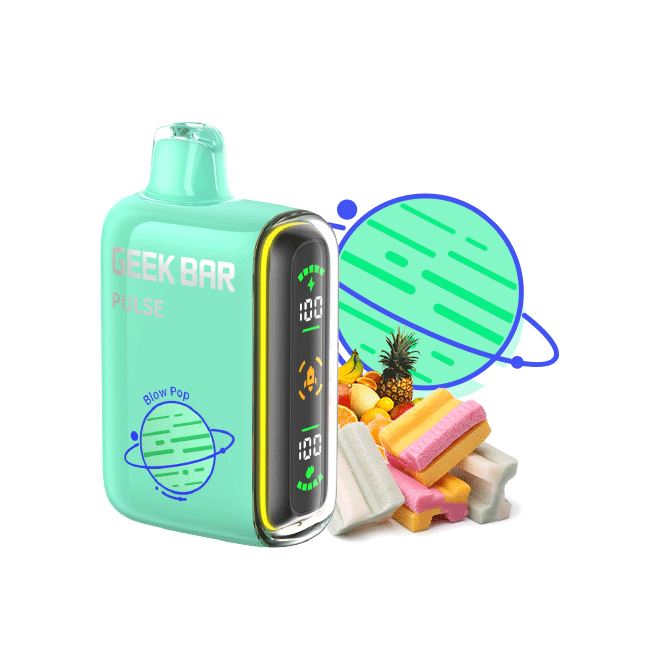
Is It Normal for Vapor Production to Drop on Your Geek Bar Pulse?
The Geek Bar Pulse has surged in popularity as a disposable vape device, celebrated for its sleek design, long-lasting battery, and impressive puff counts often exceeding 15,000 in regular mode. However, many users report a noticeable drop in vapor production over time, sparking questions about whether this is a normal part of the device's lifecycle or a sign of malfunction. This phenomenon can be frustrating, especially for vapers who rely on thick clouds for satisfaction. In this comprehensive guide, we'll explore the underlying causes, assess normality, and provide actionable troubleshooting steps to restore performance. Understanding these dynamics empowers you to maximize your device's potential and make informed decisions about maintenance or replacement.
Understanding Vapor Production in Disposable Vapes
Vapor production in devices like the Geek Bar Pulse hinges on a delicate interplay of several core components: the coil, e-liquid reservoir, wick saturation, airflow system, and power delivery from the battery. The coil, typically a mesh design in modern disposables, heats the e-liquid rapidly to generate aerosolized vapor. High-quality e-liquids with optimal VG (vegetable glycerin) ratios—often 70% VG or higher—contribute to denser clouds by producing more visible mist upon vaporization.
Over time, factors such as usage patterns influence this process. Heavy vapers who chain puffs may overwhelm the wick's absorption capacity, leading to dry hits and reduced output. Temperature control also plays a role; the Geek Bar Pulse's pulse mode boosts power for enhanced flavor and clouds, but prolonged use can cause thermal buildup, subtly throttling vapor density to prevent overheating. Battery degradation is another variable—lithium-ion cells in disposables lose efficiency after thousands of puffs, delivering inconsistent wattage that manifests as thinner vapor.
It's worth noting that disposable vapes are engineered for convenience rather than infinite longevity. Manufacturers calibrate initial vapor output to impress, but a gradual decline is built into the design to align with the finite e-liquid and battery life. This isn't a defect but a reflection of single-use engineering, where peak performance gives way to a taper as resources deplete.
Common Causes of Reduced Vapor Output
A drop in vapor production can stem from multiple interconnected issues, each tied to the device's internal mechanics. E-liquid depletion is the most straightforward culprit; as the reservoir empties, the wick draws less saturated liquid, resulting in sparse clouds. Even before it's fully empty, uneven wicking—exacerbated by high-PG e-liquids or inconsistent puffing—can create air pockets that starve the coil.
Coil fatigue represents another primary cause. The Geek Bar Pulse employs a pre-built mesh coil optimized for high resistance and flavor, but repeated heating cycles degrade its structure. Microscopic buildup of caramelized residue from sweeteners in the e-liquid forms a gummy layer, insulating the coil and hindering efficient heat transfer. This not only diminishes vapor volume but also introduces a burnt taste, prompting users to seek methods for fixing the burnt taste through cleaning or reset techniques.
Airflow restrictions further compound the problem. Dust, lint, or dried juice can clog the intake vents, restricting oxygen flow essential for combustion-like vaporization. Battery inconsistencies, such as voltage sag under load, reduce power to the coil, yielding weaker hits. Environmental factors like extreme temperatures—cold weather thickens e-liquid viscosity, while heat accelerates evaporation—can amplify these effects. User habits, including short, rapid puffs or storing the device improperly (e.g., upside down), accelerate wear, making reduced vapor feel premature.
In essence, while a modest decline is expected after 70–80% of the rated puff count, abrupt or severe drops signal these addressable issues rather than inevitable failure.
Is the Drop in Vapor Production Normal?
Yes, a gradual reduction in vapor production is entirely normal for the Geek Bar Pulse, particularly as it approaches the latter stages of its lifespan. Disposable vapes like this one are not rechargeable pod systems with replaceable coils; they're sealed units designed for a finite cycle. Data from user reports and manufacturer specs indicate that vapor density peaks in the first 5,000–7,000 puffs, then tapers by 20–40% toward the end, mirroring e-liquid consumption curves.
This normalization stems from physics: as e-liquid levels drop, the coil encounters more dry surface area, producing less aerosol per puff. Battery output, calibrated to conserve energy, dims proportionally to prevent burnout. Independent tests by vaping review sites confirm this pattern—vapor volume correlates directly with remaining capacity, with no anomalies in well-maintained units.
That said, normal doesn't mean unavoidable dissatisfaction. If output plummets before 10,000 puffs or accompanies other symptoms like leaking or flashing lights, it deviates from expectations. Context matters: light users might notice the drop later, while heavy cloud-chasers experience it sooner. Ultimately, viewing this as a designed progression rather than a flaw helps set realistic expectations, encouraging proactive habits to extend prime performance.
Troubleshooting Steps to Restore Vapor Output
Addressing reduced vapor starts with basic diagnostics and non-invasive fixes. Begin by inspecting the device externally: ensure the airflow vents are clear of debris using a soft brush or compressed air—avoid sharp objects that could damage internals. Gently tap the Pulse against your palm to redistribute e-liquid, dislodging any air bubbles that impede wicking.
Next, adjust your vaping technique. Switch to longer, slower draws (3–5 seconds) to allow proper saturation, and pause 10–15 seconds between puffs to let the coil cool and re-wick. Activating pulse mode judiciously can temporarily boost output, but overuse accelerates decline. For fixing the burnt taste that often accompanies low vapor, prime the coil by taking dry pulls (no activation) to draw fresh juice through the wick, or store the device upright in a cool, dark place overnight.
Battery management is crucial—avoid deep discharges by monitoring LED indicators and recharging promptly via USB-C, as the Pulse's 650mAh rechargeable battery supports revival. If vapor remains thin post-recharge, a reset shake (firm but gentle) can realign internals. Advanced users might test with regulated airflow if adjustable, though the Pulse's fixed design limits this.
Persistent issues warrant checking for manufacturing variances; cross-reference with batch codes on the packaging against known recalls. These steps often restore 70–90% of original output, bridging the gap until natural depletion.
When to Replace Your Geek Bar Pulse
Knowing when to retire the device prevents frustration and ensures safety. Replacement is advisable if vapor production drops below 50% of initial levels before reaching 80% of the rated puffs, or if accompanied by leaking, consistent burnt hits, or erratic battery behavior like rapid draining or failure to charge. The presence of a strong chemical odor or visible damage signals immediate disposal.
Safety first: disposables contain lithium batteries prone to swelling if overused, and depleted coils risk metallic leaching into vapor. Environmentally, recycle at designated e-waste points to recover materials responsibly. Transitioning to a new Geek Bar Pulse or similar device restores full performance, but consider reusable alternatives like pod systems for cost savings and customization.
Monitor usage logs if tracking apps are integrated, replacing proactively every 10–14 days for moderate vapers. This approach maintains consistent satisfaction without pushing the device beyond its engineered limits.
Conclusion
In summary, a drop in vapor production on your Geek Bar Pulse is a normal aspect of its disposable nature, driven by e-liquid depletion, coil wear, and battery tapering, though troubleshooting can significantly extend usability. By understanding these mechanics, adopting better habits, and recognizing replacement cues, you can enjoy denser clouds longer and avoid common pitfalls like burnt tastes. Ultimately, the Geek Bar Pulse excels as a hassle-free option when used within its parameters—embrace its lifecycle for optimal results, and always prioritize safety in your vaping routine.


