
Can Temperature Affect Flavor in the Lost Mary Quasar OS25000?
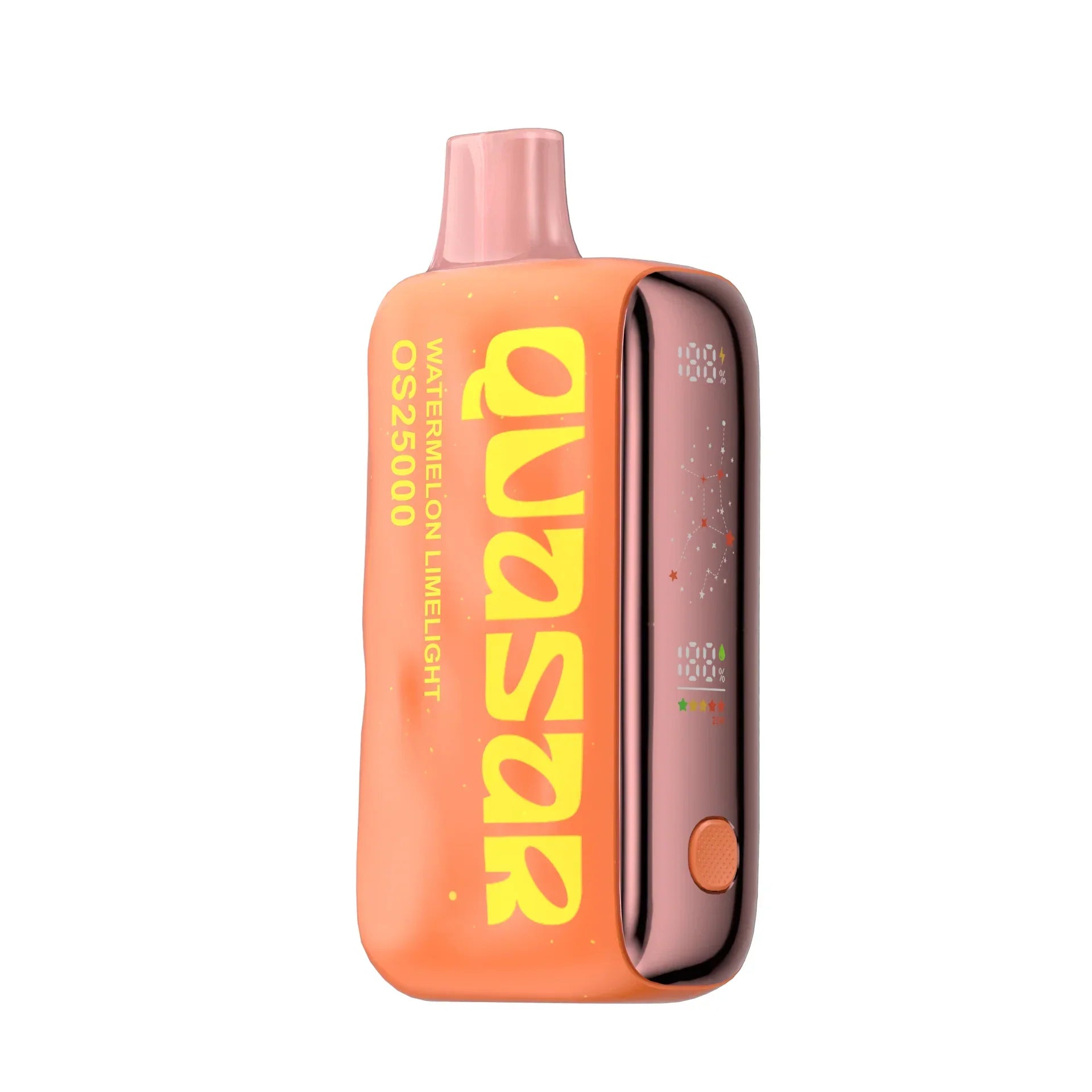
The Lost Mary Quasar OS25000, distinguished by its 25,000-puff endurance, triple mesh coil configuration, and 20ml e-liquid capacity, exemplifies precision engineering in disposable vaping devices, where flavor consistency hinges on optimal thermal conditions. Temperature exerts profound influence on sensory output, modulating e-liquid vaporization, coil efficiency, and aerosol chemistry to either enhance or erode the intended profile. Extremes—whether scorching heat or chilling cold—disrupt the delicate equilibrium of propylene glycol, vegetable glycerin, nicotine salts, and flavorings, leading to perceptible shifts from vibrant fruit bursts to muted or acrid notes. This interplay underscores temperature not as a peripheral factor but as a core determinant of performance, compelling vapers to master environmental controls for sustained excellence throughout the device's lifecycle.
High Temperatures and Flavor Degradation Mechanisms
Elevated ambient temperatures accelerate e-liquid volatility in the Quasar OS25000, causing premature evaporation of delicate top-note flavor compounds like citrus terpenes or berry esters before they reach the coils for proper aerosolization. Stored or used above 77°F, the reservoir experiences thinned viscosity, prompting uneven wicking that starves meshes intermittently and yields inconsistent hits—sweetness overwhelms initially, fading to harsh backnotes as stabilizers break down. Coil overheating compounds this, as external heat synergizes with firing to exceed optimal 350-450°F thresholds, caramelizing sucralose additives into bitter polymers that coat surfaces and mute subsequent draws. Prolonged exposure in vehicles or sunny pockets fosters this cascade, transforming curated blends into flat, overcooked echoes. Thermal runaway risks further degrade metal alloys subtly, leaching trace elements that impart metallic tangs, eroding the Quasar's hallmark purity.
Low Temperatures and Vaporization Inefficiencies
Chilly environments below 50°F constrict the Quasar OS25000's e-liquid flow, as vegetable glycerin solidifies partially, impeding capillary action through the cotton wick and resulting in subdued flavor release. Coils struggle to ramp against heightened resistance, producing tepid vapor that under-extracts aromatics—menthol chills dull to watery whispers, while fruits lose zest amid incomplete volatilization. Battery efficiency plummets concurrently, throttling power delivery and yielding gauzy clouds bereft of throat hit or nuance. This cold-induced stagnation not only mutes profiles but predisposes to micro-dry conditions; to avoid dry hits, vapers must warm the device gently in pockets before use, restoring fluidity without shocking components. Winter commutes or unheated spaces exemplify these challenges, where flavor fidelity hinges on preemptive thermal priming.
Impact on Coil Performance and Wick Saturation
Temperature extremes asymmetrically stress the Quasar OS25000's triple mesh coils, where heat expands materials unevenly, widening gaps that permit hot spots and scorching localized e-liquid, while cold contracts seals, fostering air leaks that dilute concentration. Wick saturation falters in both regimes: high temps evaporate surface liquid faster than replenishment, risking char; low temps thicken reservoirs, delaying saturation and yielding flavorless draws. These dynamics alter resistance profiles dynamically—hot coils drop ohms prematurely, spiking wattage; cold ones resist current, underpowering output. The interplay manifests as profile shifts: overheated sessions amplify bass notes like creams at top-note expense, whereas chilled puffs emphasize sharpness over body. Consistent 68-72°F operation aligns with design specs, preserving mesh integrity for uniform heating across 25,000 puffs.
E-Liquid Chemistry Alterations Under Thermal Stress
Fundamentally, temperature catalyzes physicochemical changes in the Quasar OS25000's e-liquid matrix, where heat decomposes flavorants via Maillard browning or oxidation, yielding stale, nutty off-notes that supplant originals. Propylene glycol volatilizes preferentially at lower thresholds, skewing PG/VG ratios toward denser clouds but thinner taste in warmth; conversely, cold preserves PG but immobilizes VG, muting smoothness. Nicotine salts destabilize above 85°F, harshening delivery, while sub-40°F storage precipitates separation, requiring agitation for homogeneity. Antioxidants in premium formulations buffer mildly, yet extremes overwhelm, as evidenced by summer heatwaves dulling berry vibrancy or freezer missteps washing out iciness. These molecular rearrangements underpin perceptual changes, resolvable through ambient normalization.
Battery and Electronic Component Interactions
The Quasar OS25000's rechargeable battery exhibits temperature-sensitive discharge curves, where heat accelerates lithium degradation and voltage sag, inconsistently powering coils and yielding underflavored hits via suboptimal ramp-up. Cold batteries spike internal resistance, curtailing wattage and producing lackluster aerosol that fails to carry aromatics fully. Chipset safeguards intervene—overheat throttling dims output, mimicking fade; cold protection delays firing. These electronic vicissitudes indirectly flavor-gate performance, as erratic power fails to match e-liquid activation windows. Optimal 60-80°F mitigates, ensuring stable amperage that honors the device's adjustable modes for precise thermal control.
Storage and Usage Best Practices for Thermal Stability
Strategic handling insulates the Quasar OS25000 against temperature vagaries: store upright in shaded 65-75°F environs, avoiding gloveboxes or radiators; transport in insulated cases for excursions. Pre-vape equilibration—10 minutes ambient—bridges extremes, while puff pauses in heat dissipate coil warmth. High-VG juices tolerate warmth better, suiting mobile users. These protocols sustain flavor architecture, maximizing the triple mesh's layered extraction.
Conclusion
In conclusion, temperature unequivocally affects flavor in the Lost Mary Quasar OS25000 by dictating vaporization kinetics, chemical stability, coil dynamics, and power fidelity—extremes distorting its engineered symphony into discord. High heat scorches nuances, cold stifles vibrancy, yet temperate mastery unlocks unwavering profiles across 25,000 puffs. Vapers armed with storage discipline, priming rituals, and juice selection thrive, affirming the device's supremacy. Prioritize thermal equilibrium, and the Quasar OS25000 delivers perennial perfection.