How to Tell When the Geek Bar Pulse Is Finished?
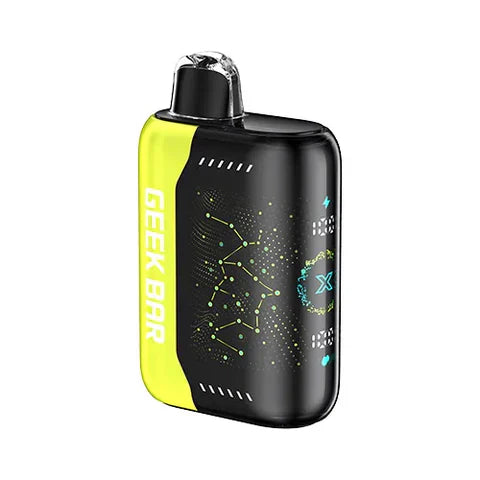
The Geek Bar Pulse represents a pinnacle in disposable vaping technology, equipped with a 650mAh rechargeable battery, an 16mL e-liquid reservoir, and dual-mode functionality offering up to 15,000 puffs in standard operation or intensified performance in Pulse Mode. This device's intelligent design incorporates a high-definition curved screen displaying real-time battery percentage, e-liquid levels, and mode status, enabling precise monitoring throughout its lifecycle, which typically spans one to two weeks for moderate users. Engineered for synchronized depletion, the battery and e-liquid are calibrated to exhaust concurrently under average conditions, but discerning end-of-life requires attention to multifaceted indicators ranging from visual cues to sensory feedback, ensuring users avoid suboptimal experiences.
Advanced features like USB-C fast charging and adjustable airflow further enhance usability, with the screen's droplet icon and battery bar providing at-a-glance diagnostics that evolve as components wane. Manufacturers prioritize safety through overcharge protection and low-voltage cutoffs, yet real-world usage introduces variables such as puff duration, environmental humidity, and mode preference that can accelerate or delay depletion signals. Recognizing these markers empowers vapers to transition smoothly, maximizing satisfaction from this benchmark disposable.
The ergonomic chassis houses dual mesh coils optimized for flavor consistency, but as resources dwindle, performance metrics shift predictably, offering reliable harbingers of completion.
Visual Screen Indicators
The Geek Bar Pulse's smart screen serves as the primary diagnostic tool, featuring a segmented battery bar that transitions from green through yellow to red as charge falls below 20%, accompanied by a precise percentage readout for unambiguous assessment. Complementing this, the e-liquid meter—depicted as a droplet with five bars—progresses from full to empty, flashing or inverting colors when critically low, signaling imminent exhaustion even if vapor persists briefly due to residual wick saturation. Mode icons, including a rocket ship for Pulse activation, remain active until power cutoff, but a dimming display or erratic pixelation often precedes total failure, hinting at voltage instability.
In practice, users observe the battery icon pulsing during low states, prompting USB-C reconnection, while e-liquid depletion triggers a stark empty bar well before complete dry-out, providing a buffer for replacement planning. These visuals outperform traditional LED systems in disposables, offering granular insights that correlate closely with actual capacity, though screen estimates carry a margin of error equivalent to 500-1,000 puffs. Regular glances during sessions calibrate expectations, preventing surprises from asynchronous drain.
Battery Depletion Signals
Battery end-of-life manifests through accelerated discharge cycles, where the 650mAh cell—initially yielding 4-6 hours per charge—progresses to mere 1-2 hours despite full indicators, reflecting lithium-ion capacity fade from repeated cycling. Charging anomalies emerge next: sluggish uptake, failure to reach 100%, or no LED response post-30 minutes, often culminating in a permanently dim screen or non-activation upon draw. Protection circuits activate cutoffs at critically low voltages, halting operation to avert damage, but persistent unresponsiveness confirms irreparable degradation.
Heavy usage exacerbates this trajectory, with Pulse Mode's elevated wattage hastening fade, while environmental heat compounds internal resistance. Diagnostic charging tests—monitoring time to full versus prior benchmarks—quantify decline, as a fully functional unit recharges in under 45 minutes via USB-C. These signals, distinct from temporary low-battery blinks, necessitate disposal once confirmed across multiple cycles.
E-Liquid Exhaustion Indicators
E-liquid depletion cues diverge from battery signs, commencing with flavor attenuation—muted notes and reduced throat hit—as the 16mL tank nears 10% capacity, verifiable via the screen's droplet meter. Vapor volume diminishes next, transitioning from dense clouds to wispy output, accompanied by increased draw resistance from unsaturated wicking. The hallmark burnt taste emerges upon dry hits, where exposed coils scorch, producing harsh, acrid aerosol that demands immediate cessation to prevent health risks.
Screen confirmation aligns with sensory shifts: an empty droplet bar persists post-depletion, uncorrectable in this sealed system. Residual liquid in the coil may yield 200-500 extra puffs after visual zero, but escalating bitterness underscores finality. Monitoring flavor integrity alongside visuals ensures timely recognition.
Sensory and Performance Changes
Tactile and auditory feedback evolves tellingly: puffs yield weaker throat irritation and hollow airflow sounds as e-liquid wanes, contrasting initial smooth draws. Device warmth during use spikes with dry coil attempts, while vibration haptics—if equipped—weaken or stutter under low power. Why does it feel weak after heavy use? This perception arises from voltage sag in the battery under sustained Pulse Mode loads, where internal protection throttles output to manage heat, coupled with coil gunk buildup impeding efficiency, simulating depletion despite residual resources.
Performance benchmarks falter holistically: session duration halves, clouds thin, and flavor profiles flatten, culminating in non-production despite activation. These multisensory declines, cross-verified with screen data, provide robust confirmation.
Such changes in devices like the Geek Bar Pulse highlight the interplay of components nearing limits.
Troubleshooting False Alarms
Clogs from condensed vapor mimic low e-liquid via restricted draw, resolvable by gentle warmth or priming puffs, while battery false lows stem from incompatible chargers causing incomplete cycles. Overheating—signaled by hot chassis—triggers auto-shutoff, reversible post-cooling, distinct from permanent failure. Firmware glitches occasionally freeze screens, remedied by 10-minute power-off resets via prolonged button holds, if applicable.
Differentiating these from true end involves recharge tests and 24-hour observations; persistent issues post-intervention confirm disposal. User logs of puff counts versus screen estimates refine diagnosis accuracy.
Safe Disposal and Replacement
Upon verified finish—non-vaporizing draws or dual depletions—insulate the USB port and deposit at certified e-waste recyclers to reclaim lithium and circuits responsibly. Avoid landfills to mitigate environmental leachates, adhering to hazardous waste protocols. Transition to fresh units by matching flavors and modes, leveraging bulk insights for optimal selection.
Pre-disposal, exhaust safe puffs if viable, but prioritize health over marginal yield.
Conclusion
Discerning Geek Bar Pulse finality hinges on integrated screen diagnostics, sensory cues, and performance trends, ensuring seamless vaping continuity. Proactive monitoring averts frustration from burnt hits or abrupt cutoffs, honoring the device's engineered lifespan. Mastering these indicators elevates user autonomy, affirming the Pulse's status as a reliable, feature-rich disposable.