How to Avoid Dry Hits on the HQD Cuvie Plus 2.0?
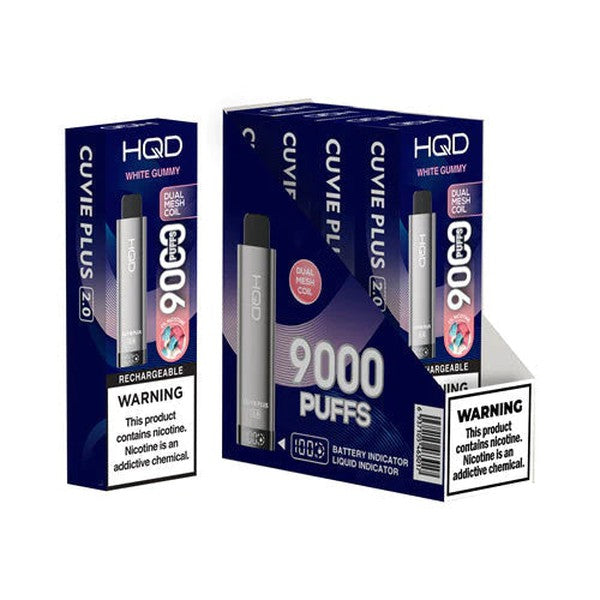
Dry hits represent one of the most frustrating experiences for users of disposable vapes like the HQD Cuvie Plus 2.0, characterized by a harsh, burnt taste that arises when the device's internal coil overheats without sufficient e-liquid saturation. This issue stems from the wick material failing to draw enough liquid to the heating element during inhalation, leading to combustion of the dry cotton or synthetic wick rather than vaporization of the e-liquid. In the context of the HQD Cuvie Plus 2.0, which boasts up to 9,000 puffs through its advanced mesh coil technology and 600mAh rechargeable battery, dry hits can prematurely end an otherwise reliable vaping session, diminishing flavor consistency and overall satisfaction. Recognizing the signs early—such as a sudden acrid flavor or reduced vapor production—allows users to take proactive measures before the problem escalates. Professional vapers emphasize that while disposables are designed for convenience, understanding the delicate balance between e-liquid levels, battery performance, and usage patterns is crucial to extending device longevity and avoiding this common pitfall.
Primary Causes of Dry Hits
The root of dry hits in the HQD Cuvie Plus 2.0 often lies in e-liquid depletion, where the pre-filled 16mL tank runs low faster than anticipated due to heavy usage or high-wattage draws that exceed the mesh coil's optimal saturation capacity. Chain vaping, or taking rapid successive puffs without allowing time for the wick to re-wet, exacerbates this by creating a vacuum effect that pulls air instead of liquid to the coil, resulting in inconsistent heating and eventual burning. Battery-related factors also play a role; as the 600mAh battery depletes toward the end of its cycle, voltage inconsistencies can cause the coil to fire unevenly, mimicking low e-liquid symptoms even when some remains. Environmental influences, such as extreme temperatures or improper storage, can thicken the e-liquid's viscosity, hindering its flow to the wick and setting the stage for dry performance. Finally, manufacturing variances, though rare in HQD's quality-controlled production, might contribute if the initial wick priming is inadequate during assembly.
Proper Storage Practices
Effective storage is foundational to preventing dry hits, as the HQD Cuvie Plus 2.0's e-liquid can degrade or evaporate if exposed to suboptimal conditions, leading to insufficient wick saturation over time. Always store the device in a cool, dry environment between 15-25°C, away from direct sunlight or heat sources, which can cause the e-liquid to thin excessively or, conversely, thicken in cold settings, impeding flow. Upright positioning during non-use minimizes gravitational settling that might starve the upper wick sections, ensuring even distribution throughout the tank. For portable carry, use a protective case rather than loose pocket storage; can pocket lint affect it? Yes, pocket lint can accumulate around the mouthpiece or airflow vents, potentially clogging intake paths and disrupting the air-liquid balance critical for proper wicking. Regularly inspect and gently wipe the exterior with a dry microfiber cloth to remove any debris, maintaining optimal airflow and preventing indirect contributions to dry hits.
Optimizing Vaping Technique
Refining your draw technique significantly reduces dry hit risks with the HQD Cuvie Plus 2.0, which employs a draw-activated mechanism sensitive to inhalation patterns. Adopt a moderate, steady pull lasting 2-3 seconds per puff, avoiding the temptation for long, aggressive drags that deplete the wick faster than it replenishes, particularly in its mouth-to-lung (MTL) oriented design. Pause for 10-15 seconds between puffs to allow the mesh coil's superior surface area to fully re-saturate with e-liquid drawn by capillary action from the ample 16mL reservoir. Lower your puff frequency if engaging in extended sessions, as the device's intelligent fire system benefits from brief recovery periods to stabilize temperature and prevent localized overheating. Experiment with gentler inhales if you notice flavor fading, as this preserves the coil's lifespan and maintains the rich, consistent taste profiles HQD is known for across its 30+ flavor lineup.
Battery Management Essentials
Given the HQD Cuvie Plus 2.0's rechargeable 600mAh battery via USB-C, meticulous power management directly correlates with dry hit prevention by ensuring consistent coil heating. Charge the device promptly when the LED indicator signals low battery through blinking patterns, using only the supplied or compatible 5V low-amperage charger to avoid voltage spikes that could warp the coil prematurely. Aim to keep the battery between 20-80% for optimal performance, as extreme lows force compensatory higher draws that strain the wick, while full charges over extended periods might foster minor leaks affecting saturation. Monitor usage to align charging cycles with your vaping rhythm—top up after every 2,000-3,000 puffs to sustain steady output. Implementing a routine nightly recharge during lighter evening use prevents deep discharges, preserving the battery's ability to deliver even power that keeps the mesh coil adequately fed.
Maintenance and Cleaning Tips
While the disposable nature of the HQD Cuvie Plus 2.0 limits invasive maintenance, simple external care routines can avert dry hits by preserving airflow and preventing blockages. Periodically exhale through the mouthpiece to clear any condensed residue or minor e-liquid buildup, which might otherwise restrict vapor flow and indirectly dry out the wick. Use a soft, dry brush or compressed air on the airflow ports to dislodge dust, ensuring unrestricted intake that supports efficient wicking dynamics. Avoid liquids or submerging the device, as moisture ingress could short components or dilute the e-liquid unevenly. If flavor diminishes without visible depletion, a gentle tap on a soft surface can reseat internal connections, potentially restoring balance. These habits, performed weekly, enhance the device's 9,000-puff potential and minimize environmental contaminants' impact.
Advanced Prevention Strategies
For seasoned users, elevating beyond basics involves monitoring environmental humidity, as overly dry air can evaporate e-liquid from the wick faster, prompting preemptive strategies like storing in a slightly humidified space or using the device more during naturally moist conditions. Pair this with flavor rotation—switching pods or devices intermittently—to avoid coil fatigue from prolonged single-flavor use, which can alter viscosity and saturation rates. Leverage the HQD Cuvie Plus 2.0's adjustable output modes if available via firmware, dialing down wattage equivalents for lighter coils that prioritize longevity over intensity. Track puff counts mentally or via apps mimicking device telemetry to anticipate depletion curves unique to your style, intervening early with reduced sessions. Integrating these with consistent hydration—drinking water to maintain personal vapor sensitivity—creates a holistic regimen for near-elimination of dry hits.
In conclusion, mastering the avoidance of dry hits on the HQD Cuvie Plus 2.0 demands a blend of mindful usage, diligent storage, and proactive care, transforming potential frustration into sustained enjoyment across its impressive puff capacity. By internalizing these professional-grade practices—from technique refinement to battery vigilance—users can fully harness the device's mesh coil innovation and flavor fidelity, ensuring every session delivers smooth, satisfying vapor without interruption.