
What Happens If the Geek Bar Pulse Battery Outlasts E-Liquid?
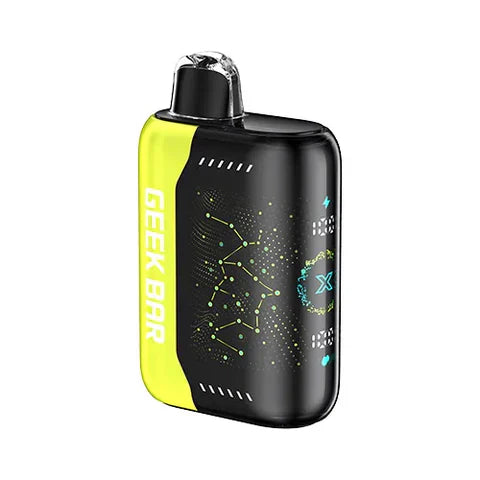
The Geek Bar Pulse is a popular disposable vape device renowned for its innovative design, featuring a substantial 700mAh rechargeable battery, up to 25,000 puffs in combined modes, and an 18mL e-liquid capacity with 5% nicotine strength. This model stands out due to its dual-mode operation—Standard Mode for efficiency and Pulse Mode for enhanced flavor and vapor production—along with adjustable airflow and USB-C charging for user convenience. Manufacturers engineer these devices with synchronized depletion rates, aiming for the battery and e-liquid to exhaust simultaneously under typical usage patterns, which typically span 8 to 12 days depending on puff frequency and mode selection. However, real-world variables such as vaping intensity, environmental conditions, and maintenance practices can disrupt this balance, leading to scenarios where one component outlasts the other.
In practice, the Geek Bar Pulse's battery is calibrated to deliver consistent power output matched to the coil's demands, ensuring optimal performance throughout most of the device's lifecycle. The e-liquid reservoir, prefilled with high-quality formulations, gradually depletes as vaporization occurs, with Pulse Mode accelerating consumption due to higher energy delivery to the heating element. When usage aligns with design expectations, users experience seamless operation until the final puffs, but deviations like lighter vaping or storage in cooler environments can extend e-liquid life relative to battery drain. This synchronization is a hallmark of advanced disposable vapes, reflecting meticulous engineering to minimize waste and maximize value.
Battery and E-Liquid Depletion Dynamics
Battery depletion in the Geek Bar Pulse follows a predictable curve influenced by power draw, with Standard Mode conserving energy for longer sessions and Pulse Mode increasing output for richer clouds, thereby reducing total puffs from 25,000 to around 12,500 in heavy use. E-liquid consumption mirrors this, as each puff atomizes a precise amount, but factors like shorter puffs or infrequent use slow the rate, potentially leaving residual liquid when the battery weakens. The device's smart chip regulates voltage to prevent over-discharge, but prolonged cycling between charges can lead to gradual capacity fade, a common lithium-ion battery trait where effective storage diminishes over time.
Environmental factors play a significant role; high temperatures accelerate chemical degradation in both battery cells and e-liquid stability, while optimal storage at moderate temperatures preserves longevity. Usage habits further dictate outcomes—heavy vapers in Pulse Mode may exhaust e-liquid first, necessitating disposal despite residual battery, whereas moderate users risk the reverse. This interplay underscores the importance of balanced operation, as the device's 650-700mAh cell is optimized for the 16-18mL tank, ensuring neither vastly outpaces the other under standard conditions.
Scenario: Battery Outlasts E-Liquid
If the Geek Bar Pulse battery outlasts the e-liquid, the device enters a post-depletion phase where the tank runs dry, typically signaled by diminished vapor, burnt coil tastes, or no flavor output despite activation. At this point, continued draws yield minimal to no aerosol, as the dry coil cannot vaporize absent liquid, prompting users to recognize the e-liquid's exhaustion. The remaining battery capacity, often minimal by design (around 500-600 puffs equivalent), powers indicator lights or futile heating attempts but delivers no satisfying hit, rendering the device functionally obsolete.
This mismatch arises from conservative vaping styles, such as brief puffs or exclusive Standard Mode use, which prioritize longevity over intensity, stretching e-liquid depletion ahead of battery cycles. Manufacturers intentionally limit excess battery to avoid unnecessary waste, aligning end-of-life for both components, yet slight imbalances occur due to manufacturing tolerances or user variability. Users may notice persistent charging responses or LED activity, confirming battery viability, but without refill capability in disposables, progression halts. Proper recognition prevents overuse, which could stress the coil and produce harsh dry hits.
Signs and Symptoms of Imbalance
Early indicators include flavor fading before battery depletion, followed by reduced cloud production and a subtle throat hit alteration as e-liquid nears empty. Visually, the juice window—if equipped—shows transparency, while tasting charred notes signals coil exposure to air, a precursor to full depletion. Battery outlasting manifests as operational lights flashing without vapor, or shorter session times per charge despite full indicators, hinting at capacity variance.
Performance metrics shift noticeably; Pulse Mode enthusiasts observe quicker e-liquid drain, but light users encounter dry states with 20-30% battery remaining, verifiable via charging cycles. Auditory cues like quieter draw sounds or haptic feedback absence further confirm liquid absence over power failure. Monitoring these symptoms allows timely disposal, averting coil damage that could affect future devices.
Why Does It Feel Weak After Heavy Use?
Why does it feel weak after heavy use? One primary reason stems from battery behavior under continuous load, where the Geek Bar Pulse's 700mAh cell experiences voltage sag—temporary drops in output during sustained high-demand draws in Pulse Mode, mimicking weakness despite ample charge. Heavy sessions accelerate internal heat buildup, throttling power delivery via built-in protection circuits to prevent overheating and extend cell life, resulting in weaker flavor and vapor midway through use. This sensation intensifies with repeated charge cycles, as lithium-ion efficiency wanes, holding less effective capacity even if fully charged, compounded by coil gunk accumulation from intensive vaping that impedes wicking.
Cumulative effects compound: prolonged Pulse Mode drains reserves faster, leaving marginal power for maintenance hits, while e-liquid viscosity changes post-heavy use subtly alter draw resistance. Recovery occurs post-rest or recharge, but habitual intensity perpetuates the cycle, often mistaken for outright failure. Understanding this dynamic empowers users to alternate modes, mitigating perceived debility without compromising enjoyment.
Implications and Performance Effects
Continued use post-e-liquid depletion risks coil burnout, producing acrid tastes and potential harmful byproducts from overheating dry elements, diminishing overall experience. Battery persistence offers no benefit in disposables, as refilling voids warranty and introduces contamination risks via non-sterile liquids. Environmentally, excess battery translates to e-waste, though minimal compared to matched depletion models.
Performance-wise, residual power sustains lights but erodes user satisfaction, prompting premature discard or frustrated experimentation. Long-term, habitual mismatch encourages mode adjustments for parity, optimizing the device's 7-21 day lifespan across models like Pulse X or Meloso variants. Proactive monitoring preserves quality until true end-of-life.
Safe Handling and Disposal Practices
Cease usage immediately upon dry hits to safeguard health and device integrity, storing the unit away from flammables. Recharge only if viable for final puffs, but avoid over-discharging to prevent lithium-ion instability. Dispose responsibly at e-waste facilities, separating battery via tape-insulation for recycling, adhering to local regulations that prioritize hazardous material handling.
Maintenance during active use—avoiding extreme temperatures and over-tightening airflow—prolongs balance, while documenting usage patterns aids future purchases. Professional disposal ensures cobalt and lithium recovery, reducing ecological footprint.
User Management Strategies
To preempt battery outlasting e-liquid, track puffs via apps or counters, favoring Pulse Mode judiciously to sync consumption. Alternate sessions with breaks, maintaining moderate puff lengths (2-3 seconds) to calibrate depletion. Invest in devices with visible indicators or hybrid reusables for flexibility post-dry-out.
Educating on mode impacts empowers control: Standard for extension, Pulse for intensity, balancing against habits. Community forums offer pattern insights, refining techniques for optimal yield.
Conclusion
When the Geek Bar Pulse battery outlasts e-liquid, it signals design-aligned end-of-life, urging safe disposal to avoid suboptimal experiences and health risks. Strategic usage moderates this outcome, maximizing the device's impressive puff capacity and flavor profile across its lifecycle. Prioritizing balanced habits ensures reliable performance, underscoring the Geek Bar Pulse's engineering excellence for vapers seeking convenience without compromise.