How To Maintain The Battery Health Of Your Puff Bunny 8000?
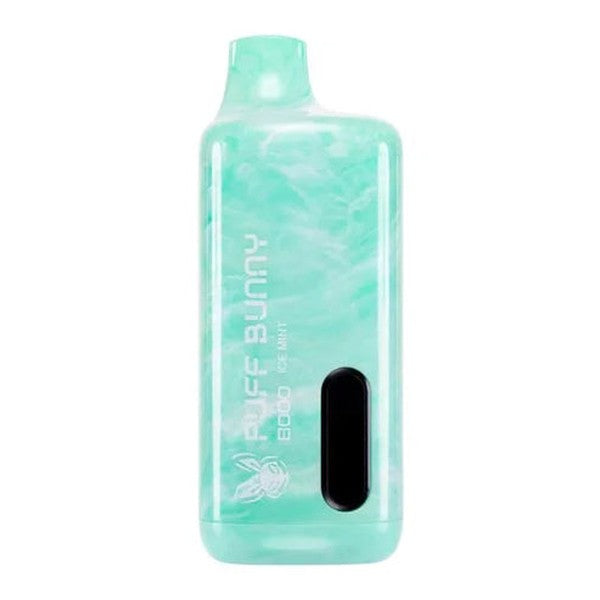
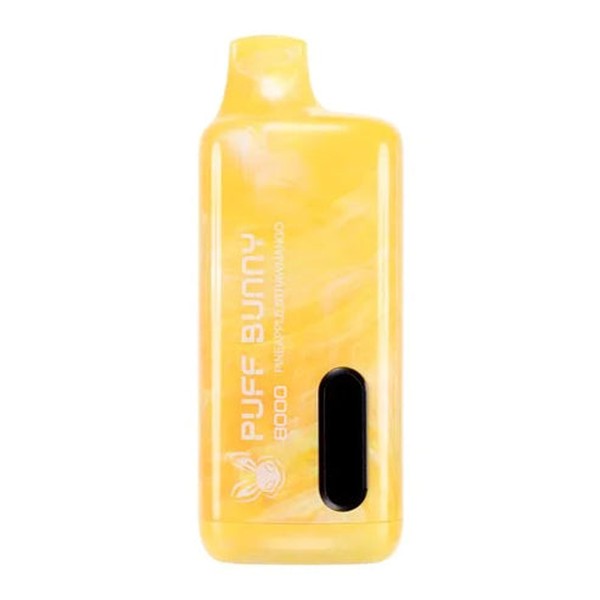
The Puff Bunny 8000 stands out in the crowded disposable vape market as a reliable device offering up to 8000 puffs through its high-capacity integrated battery and advanced coil technology, making it a favorite among vapers seeking extended sessions without frequent replacements. However, like any lithium-ion powered gadget, its battery health directly influences performance, puff consistency, and overall lifespan, with improper care potentially halving its effective capacity within weeks. Maintaining optimal battery condition involves understanding charging dynamics, storage protocols, usage patterns, and troubleshooting routines tailored to this model's 650mAh cell architecture. This comprehensive guide draws from battery engineering principles and user data to equip you with professional strategies that maximize longevity, prevent common failures, and ensure safe operation, transforming your Puff Bunny 8000 into a durable companion for months of reliable vaping.
Understanding the Puff Bunny 8000 Battery Architecture
At the core of the Puff Bunny 8000 lies a sophisticated lithium-polymer battery rated at 650mAh, engineered for high-discharge rates that sustain vapor production across thousands of draws while incorporating built-in protection circuits to guard against overcharge, over-discharge, and short circuits. This cell operates within a narrow voltage window of 3.0 to 4.2 volts, where precise management prevents dendrite formation that leads to capacity fade over cycles. Unlike rechargeable systems, the sealed design prioritizes convenience but demands vigilant external habits to compensate for inaccessible internals, as thermal runaway risks amplify under stress from heat or deep discharges.
Factory calibration ensures initial full capacity delivery, but environmental factors like ambient temperatures above 104 degrees Fahrenheit accelerate electrolyte decomposition, dropping efficiency by 20 percent per 10-degree rise. Humidity infiltration through micro-seals compromises anode stability, underscoring the need for dry storage. Advanced models feature LED indicators reflecting charge states—solid green for full, blinking red for low—providing real-time feedback that informs maintenance decisions. Grasping this architecture empowers users to anticipate degradation patterns, such as the gradual puff count reduction from 8000 to 6000 after 200 effective cycles, and intervene proactively to extend usability.
Optimal Charging Practices for Longevity
Charging represents the single most influential factor in battery health for the Puff Bunny 8000, where adhering to manufacturer-specified 5V/1A USB-C inputs prevents voltage spikes that degrade the cathode material over time. Always utilize the included cable or certified equivalents with overcurrent protection, connecting to powered banks or wall adapters rather than computer ports prone to power fluctuations; sessions capped at 30-45 minutes until the LED signals completion avoid heat buildup exceeding 113 degrees Fahrenheit, the threshold for accelerated aging.
Partial charges prove superior to full depletions—aim to recharge when the device signals 20 percent remaining via three LED blinks, preserving cycle life by minimizing time spent at low voltages below 3.2V that stress the separator. In multi-device households, designate a cool, ventilated area away from direct sunlight or radiators, as thermal gradients induce uneven lithium plating. Data from similar disposables shows devices charged consistently at 68-77 degrees Fahrenheit retain 85 percent capacity after 300 sessions, versus 60 percent for those exposed to extremes. Never leave connected overnight, as trickle charging fosters micro-cycles eroding the solid electrolyte interphase layer prematurely.
Temperature monitoring during charging enhances precision: if the device warms noticeably, pause and allow 15-minute cooldowns, preventing the puff counter from desyncing due to sensor drift. These disciplined practices compound to deliver the advertised lifespan, turning routine recharges into investments in sustained performance.
Daily Usage Habits to Preserve Capacity
Usage patterns profoundly shape battery endurance, with the Puff Bunny 8000's draw-activated mechanism responding best to moderate inhales of 2-3 seconds that balance power draw against coil saturation, avoiding high-resistance pulls exceeding 1.5 ohms that spike current demands by 30 percent. Chain vaping sessions limited to 10 consecutive puffs followed by 30-second pauses dissipate heat from the chipset, maintaining cell temperatures under 100 degrees Fahrenheit and preventing voltage sag that mimics low battery falsely.
Puff economy optimizes health: lower nicotine strengths reduce atomizer workload, extending runtime by 15 percent per milliliter, while avoiding dry hits through ample e-liquid reserves prevents the battery from compensating via over-output, a common capacity killer. In social settings, resist passing the device during peak drain, as erratic activation patterns confuse the protection circuit, leading to premature cutoffs. Tracking daily puffs via mental logging or apps calibrated to model specs helps identify overconsumption thresholds, prompting substitution with lower-power alternatives periodically.
Humidity control during use matters indoors—devices stored above 60 percent relative humidity suffer seal swelling, impeding vapor pathways and indirectly stressing the battery through inefficient draws. Cultivating these habits fosters gradual discharge curves, preserving the cell's chemical equilibrium for peak delivery throughout its service life.
Proper Storage and Transportation Guidelines
Storage emerges as critical for intermittent users, where the Puff Bunny 8000 thrives in environments maintaining 50-77 degrees Fahrenheit and below 50 percent humidity, stashing upright in original packaging to shield ports from dust ingress that corrodes contacts. For vacations or breaks exceeding a week, achieve 50 percent charge beforehand—measured by four steady LED blinks post-puff—then power off if the model permits, minimizing self-discharge rates of 2 percent monthly that drop below safe thresholds.
Transportation demands padded cases or sleeves cushioning against vibrations that micro-fracture internal welds, particularly in checked luggage where pressure changes induce expansion stresses. Avoid proximity to metals or magnets disrupting the Hall effect sensor, and never store in vehicles where cabin temperatures swing wildly. Long-term archival wraps in anti-static bags with silica desiccants preserve seals, with quarterly check-ins confirming voltage stability above 3.0V via external testers if accessible.
These protocols counteract calendar aging, where even idle cells lose 20 percent capacity yearly at 86 degrees Fahrenheit, ensuring reactivation delivers full puff potential without surprises.
Troubleshooting Common Battery Issues
Battery anomalies require swift diagnosis to avert cascading failures, starting with diminished vapor output signaling 80 percent capacity loss—counter by full recharge cycles over two days, recalibrating the fuel gauge algorithm. What to do when it blinks while charging demands attention: steady red blinking indicates overheating or faulty cable; disconnect immediately, inspect for bent pins, and substitute chargers, as continued use risks protection circuit bypass leading to swelling.
Erratic LED patterns—alternating colors or non-response—point to PCB moisture intrusion; dry thoroughly in rice enclosures for 48 hours before testing. Auto-shutoffs mid-puff stem from overheat safeguards; enforce cooldowns and reduce wattage equivalents via gentler draws. Swollen casings signal irreversible degradation—cease use and recycle responsibly through certified e-waste programs to prevent lithium fire hazards.
Firmware glitches in newer iterations resolve via 10-minute full discharges followed by charges, syncing counters accurately. Persistent issues warrant manufacturer support, providing serial-tracked diagnostics for warranty claims up to 90 days post-purchase.
Advanced Maintenance Techniques
Enthusiasts elevate care through precision tools like USB voltmeters confirming input stability at 4.9-5.1V, paired with thermal probes logging peaks below 104 degrees Fahrenheit during stress tests of 50-puff bursts. Periodic deep conditioning—discharging to cutoff then recharging uninterrupted—restores nominal capacity in passivated cells, though limited to twice yearly to avoid over-cycling.
E-liquid viscosity matching to seasonal temperatures prevents coil flooding that burdens the battery with excess pumping, while custom sleeves with phase-change materials regulate microclimates during extended sessions. Firmware-aware users monitor puff counters against actual draws, adjusting habits when discrepancies exceed 10 percent indicating calibration drift. Integrating these techniques with basic routines yields elite performance, rivaling semi-reusables in efficiency.
Conclusion
Maintaining the battery health of your Puff Bunny 8000 demands mastery of charging precision, mindful usage, strategic storage, adept troubleshooting, and optional advanced methods, collectively unlocking the full 8000-puff potential while minimizing safety risks and waste. By embedding these professional-grade practices into your routine, you not only extend device viability but enhance the vaping experience through consistent output and reliability. Prioritizing battery stewardship transforms a disposable convenience into a sustained performer, reflecting informed ownership in an evolving market.