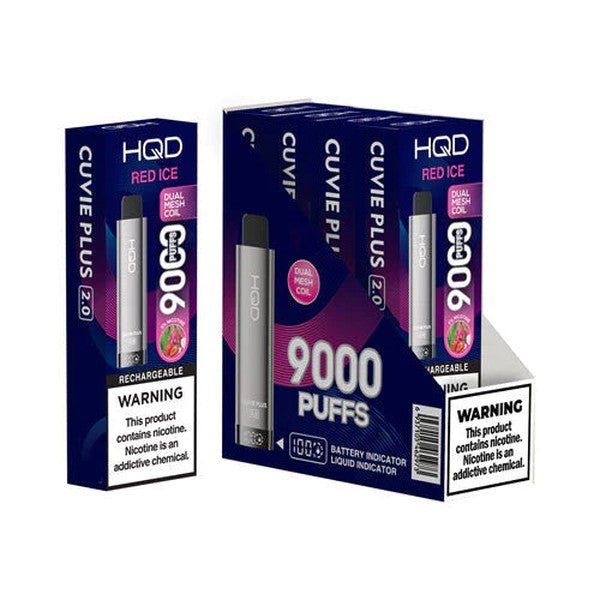
Why Some HQD Cuvie Plus 2.0 Flavors Run Out Faster?
Consumption patterns for disposable vape flavors often vary more than users expect, and the difference is not always random. With a device like the HQD Cuvie Plus 2.0, some flavors may seem to disappear quickly because of how people use them, how the device delivers vapor, and how the liquid itself behaves during regular operation. Understanding those differences helps explain why one flavor can feel long-lasting while another seems to fade much sooner.
Flavor Profile and Usage Behavior
The most obvious reason some flavors run out faster is that they tend to be used more frequently. Sweet, cooling, and fruit-heavy blends often encourage longer or more repeated draws because they create a stronger sensory experience. A user may take extra puffs simply because the flavor is especially enjoyable, and that added use naturally shortens the device’s lifespan. Even subtle differences in flavor intensity can affect behavior: a smoother profile may invite longer sessions, while a sharper one may satisfy the user more quickly.
This becomes especially noticeable when a flavor delivers a lighter throat sensation or a softer finish. People often compensate by inhaling a little more often or taking slightly longer puffs to achieve the same satisfaction. Over time, that pattern makes some flavors appear to “run out” early, even when the device is functioning exactly as intended.
Coil Efficiency and Liquid Delivery
Another factor is how efficiently the device’s heating system turns liquid into vapor. In disposable devices, the balance between coil temperature, liquid saturation, and airflow determines how quickly the e-liquid is consumed. Some flavor formulations vaporize more readily, producing dense clouds and strong taste with each pull. That can make them seem more rewarding, but it can also mean they are used more aggressively and depleted faster.
Liquid viscosity also matters. A thinner formulation may wick more easily and maintain a stronger output for a time, but it can also be consumed at a faster rate under frequent use. If the device runs hot or the user takes back-to-back puffs, the coil may vaporize more liquid per session. In that context, even a device with the same nominal capacity can feel like it finishes early when compared with a flavor that is used more sparingly or feels less intense.
Airflow, Puff Style, and Perceived Burn Rate
Airflow design affects not only vapor production but also how quickly a user goes through the contents of the device. If the draw feels open and effortless, users often take larger or more frequent puffs. That creates a strong impression of smoothness, but it also increases liquid consumption. By contrast, a tighter draw may naturally limit puff size and reduce how quickly the flavor depletes.
Puff style plays a similar role. Short, occasional draws conserve liquid much better than long, repeated inhalations. Users who enjoy a particular flavor may not notice how often they are reaching for it until the device is nearly finished. In many cases, what appears to be a “fast-burning” flavor is actually one that encourages longer and more frequent use because the experience feels satisfying enough to keep going. That can also explain why someone might wonder, are rattling sounds normal? when the device is nearly empty, since shifting liquid volume inside the chamber can become more noticeable as the contents decrease.
Formulation Differences Between Flavors
Not every flavor is built the same way. Even within a single product line, different flavor profiles can use varying ratios of sweeteners, cooling agents, and aromatic compounds. Some formulations are designed to deliver a fuller or more layered taste, which can require a stronger blend or more active vaporization to achieve the intended profile. Those characteristics can create a more satisfying experience, but they may also contribute to the impression that the flavor is draining more quickly.
Heavier dessert-style or candy-style flavors often feel richer and can be more appealing over repeated use, while lighter flavors may seem to last longer simply because they are used in a more measured way. In other words, the difference is not always about actual liquid loss alone. The composition of the flavor can influence how intensely it presents and how likely the user is to continue vaping it throughout the day.
Storage Conditions and Environmental Impact
How a disposable vape is stored can also influence how long a flavor seems to last. Heat can thin the liquid, accelerate evaporation, and reduce the device’s consistency over time. If a device is left in a warm pocket, car, or sun-exposed area, the liquid may degrade more quickly than expected. Cold can create the opposite effect, making the liquid less responsive to the coil and leading to weaker vapor production, which may prompt the user to take extra puffs.
Storage also affects flavor integrity. A device that is carried loosely in a bag or exposed to pressure may develop minor internal changes that alter the draw or wicking behavior. Once the flavor begins to fade, users often increase their puff frequency to compensate, which further reduces remaining capacity. Small environmental changes can therefore create a noticeable difference in how long a flavor appears to last, even if the device itself has not physically malfunctioned.
Device Wear and Internal Consistency
As a disposable vape approaches the end of its lifespan, internal consistency becomes less predictable. The wick may not stay fully saturated, liquid may pool differently inside the chamber, and the coil may no longer heat as evenly as it did at the start. These changes can make certain flavors seem weaker or shorter-lived, especially if the formulation depends on precise temperature control to perform well.
This is also where users sometimes notice minor operational changes and begin asking about device behavior more broadly. A small internal shift, such as movement of liquid or wear in the heating path, can make the device seem inconsistent. One flavor may tolerate that decline better because it is stronger by nature, while another may fade sooner because it is more delicate or less forgiving of uneven heating.
Conclusion
The reason some HQD Cuvie Plus 2.0 flavors run out faster is usually a combination of user behavior, flavor formulation, airflow, and device performance rather than a single defect. Stronger-tasting blends often get used more often, open airflow encourages bigger draws, and environmental conditions can subtly affect how efficiently the liquid is consumed. The result is that two flavors from the same product line may feel very different in longevity even when their underlying capacity is similar.
Looking at the issue through that lens makes the difference easier to understand. What seems like a faster-draining flavor is often one that delivers a more intense or enjoyable experience, which naturally invites more frequent use. Over time, that combination of taste, draw style, and internal consumption patterns shapes how long the device appears to last, turning flavor preference into the biggest factor in perceived lifespan.