Article: Why Covering Airflow Holes Hurts Geek Bar Pulse Performance?
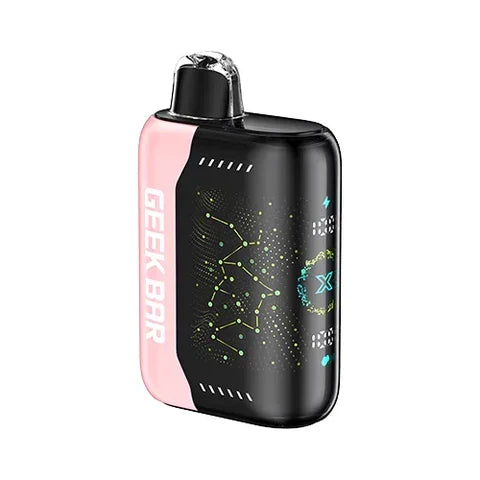
Why Covering Airflow Holes Hurts Geek Bar Pulse Performance?
The Geek Bar Pulse relies on a precisely engineered airflow system to regulate vapor production, coil temperature, and flavor delivery. Its adjustable airflow ring and dedicated intake vents work in harmony with the dual mesh coils to create consistent draws and optimal heating. When users cover airflow holes—whether accidentally with fingers, clothing, or baggage, or intentionally to modify draw resistance—they disrupt the calibrated air balance, causing the coil to overheat, vapor to become scalding, flavor to degrade, and the battery to drain faster. This interference compromises the device’s core performance and can lead to permanent damage to the coil or sensor.
Disruption of Calibrated Air-to-Liquid Ratio
The dual mesh coils in the Geek Bar Pulse are designed to vaporize e-liquid at a specific rate that matches the volume of air flowing through the device. This air-to-liquid ratio is calibrated during manufacturing to ensure smooth, flavorful vapor without overheating. Covering airflow holes reduces the amount of air available to cool and carry the vapor, creating an imbalance where too much e-liquid is heated for the amount of air passing through. The result is a dense, wet vapor that feels harsh and lacks the clarity of properly aerated flavor.
When airflow is restricted, the coil cannot dissipate heat effectively, causing temperature to rise beyond the intended operating range. This overheating produces a burnt or metallic taste even when the e-liquid is fresh and the coil is new. Users often mistake this for a depleted device or faulty product, but the root cause is the blocked airflow preventing proper heat exchange. The dual mesh design relies on consistent airflow to maintain even heating across the entire coil surface, and any obstruction creates hot spots that degrade flavor quality instantly.
Coil Overheating and Thermal Damage Risk
Airflow serves as the primary cooling mechanism for the Geek Bar Pulse’s coil. When vents are covered, heat accumulates faster than it can dissipate, pushing the coil into dangerous thermal territory. Sustained overheating can cause the mesh to degrade, the wicking material to burn, and the e-liquid to carbonize on the coil surface. Once this damage occurs, the burnt taste persists regardless of how much e-liquid remains, and the only solution is replacing the device.
Thermal stress from blocked airflow also accelerates wear on the coil’s structural integrity. The mesh may warp or develop micro-fractures that reduce vapor production efficiency. Over time, repeated overheating episodes shorten the coil’s usable lifespan, causing performance to degrade well before the e-liquid is depleted. Users who frequently cover airflow holes may notice their device losing vapor intensity and flavor clarity after just a few days, whereas proper airflow maintenance preserves performance for the full expected duration.
Battery Drain and Power Efficiency Loss
The Geek Bar Pulse’s 700mAh battery is engineered to deliver power efficiently based on normal airflow conditions. When airflow is restricted, the coil requires more energy to maintain temperature because heat cannot escape through ventilation. This increased power demand forces the battery to discharge faster, reducing the total number of puffs per charge. Users covering airflow holes often need to recharge more frequently, which increases the total number of charge cycles and accelerates long-term battery degradation.
In addition to faster drain, restricted airflow can cause the device to draw power inconsistently. The puff sensor may struggle to detect airflow changes when vents are blocked, leading to delayed activation or sporadic firing. This inconsistency wastes battery power during idle periods and creates unpredictable performance. The device’s 3D-curved display may show accurate battery percentages, but the actual usable capacity shrinks because excess power is consumed by overheating rather than vapor production.
Puff Sensor Malfunction and Activation Issues
The puff sensor in the Geek Bar Pulse detects airflow pressure changes to activate the coil. When airflow holes are covered, the sensor receives insufficient or distorted pressure signals, causing delayed, weak, or failed activation. Users may need to puff harder or multiple times to trigger the device, which further restricts airflow and worsens overheating. In some cases, the sensor becomes stuck in a triggered state because it cannot register the return to normal pressure, causing the device to fire continuously or hiss even when not in use.
Sensor malfunction from blocked airflow is a mechanical issue that cannot be resolved by resetting the device. The sensor’s internal mechanism requires clean, unobstructed airflow to function correctly, and any obstruction prevents proper pressure registration. Users experiencing activation problems should check for physical blockages before attempting troubleshooting. Persistent sensor issues after clearing blockages indicate that the obstruction caused internal damage requiring device replacement.
Flavor Degradation and Vapor Quality Loss
Optimal flavor in the Geek Bar Pulse depends on balanced airflow that carries vapor smoothly from the coil to the mouthpiece. Covering airflow holes traps vapor inside the device, causing it to condense on internal surfaces instead of reaching the user. This condensation dilutes flavor, creates a watery mouthfeel, and introduces unwanted residues from internal components. The dual mesh coils produce rich flavor only when vapor is drawn through consistently, and any restriction disrupts this flow.
Restricted airflow also changes the temperature profile of the vapor, making it hotter and less smooth. Users report a sharp, scalding sensation instead of the cool, creamy vapor the device is designed to deliver. This temperature shift masks subtle flavor notes and reduces overall satisfaction. Even high-quality e-liquid cannot perform well when airflow is blocked, as the coil cannot vaporize it at the correct temperature for optimal flavor extraction.
Accumulated Moisture and Internal Contamination
When airflow is blocked, vapor and moisture cannot escape through the vents, causing them to accumulate inside the device. This trapped moisture condenses on the coil, sensor, and battery connections, creating a breeding environment for contamination. Over time, accumulated moisture degrades flavor quality, corrodes electrical contacts, and interferes with sensor function. The device may develop a persistent off-taste or weak vapor production that does not improve with normal use.
Moisture accumulation also increases the risk of e-liquid leaking into the battery compartment. Blocked airflow prevents proper pressure equilibrium, forcing liquid out of the reservoir and into areas where it should not travel. This leakage causes corrosion and electrical failure that cannot be repaired. Users who frequently cover airflow holes may notice moisture leaking from the charging port or mouthpiece, indicating that internal pressure has been disrupted.
Proper Airflow Maintenance and Usage Practices
Maintaining optimal Geek Bar Pulse performance requires keeping airflow holes unobstructed during use and storage. Users should avoid covering vents with fingers, clothing, or baggage, and ensure the device is stored in a position where vents remain clear. The adjustable airflow ring should be set to a comfortable opening that allows smooth draw resistance without restricting air volume. Regularly checking for debris or residue around vents ensures airflow remains unblocked.
For devices stored for extended periods, proper positioning prevents accidental blockage. Storing the device upright in a cool, dry place with vents facing upward aligns with best storage tips for lithium-ion devices and keeps airflow paths clear. Understanding that airflow is essential to performance helps users avoid accidental obstruction and maintain consistent vapor quality throughout the device’s lifespan.
Conclusion
Covering airflow holes on the Geek Bar Pulse disrupts the calibrated air-to-liquid ratio, causes coil overheating and thermal damage, accelerates battery drain, triggers puff sensor malfunction, degrades flavor and vapor quality, and promotes moisture accumulation and internal contamination. The device’s dual mesh coils and puff sensor rely on unobstructed airflow to function correctly, and any restriction compromises performance instantly and can cause permanent damage. Maintaining clear airflow vents through proper handling, storage, and usage ensures the device delivers consistent, flavorful vapor and preserves battery and coil health for the full expected duration.