Why Proper Storage Prevents Leaks in the Lost Mary OS5000?
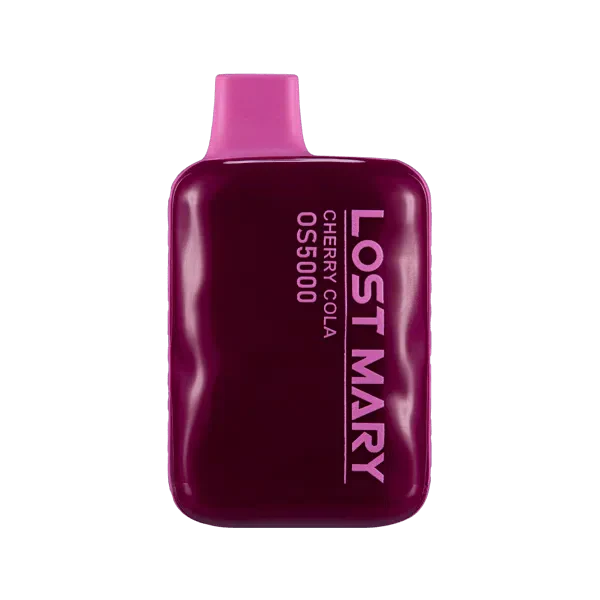
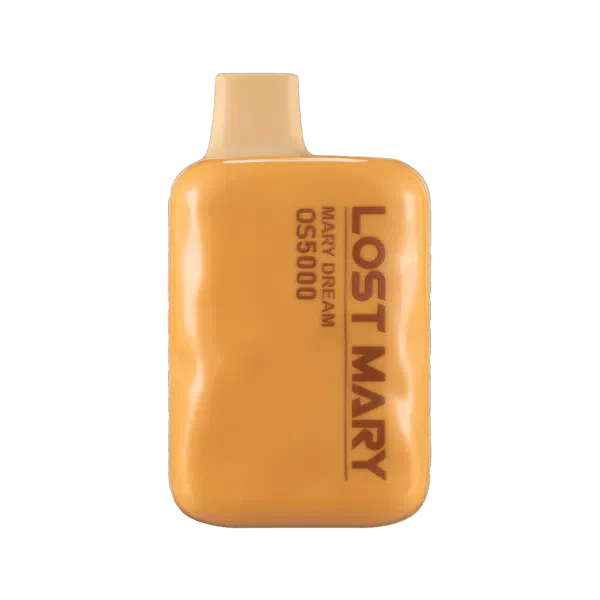
The Lost Mary OS5000, engineered for exceptional reliability with its 10mL high-capacity e-liquid reservoir and precision mesh coil system, remains susceptible to leaks when storage conditions deviate from optimal parameters. These incidents, while infrequent in well-maintained units, arise from fundamental interactions between the device's internal hydrostatic pressures, e-liquid viscosity, and environmental stressors. Proper storage mitigates these vulnerabilities by preserving structural integrity and chemical stability, ensuring the disposable vape delivers consistent performance across its full 5,000-puff lifespan. This analysis elucidates the physics of leakage prevention, delineates best practices grounded in materials science, and underscores the broader implications for user safety and device longevity.
Physics of E-Liquid Migration and Leak Pathways
Leaks in the Lost Mary OS5000 originate from capillary action within the pod matrix, where propylene glycol and vegetable glycerin mixtures—characterized by surface tensions of 40-50 dynes per centimeter—seek equilibrium through micro-pathways at seals and airflow vents. Upright storage aligns gravitational vectors with the pod's base drain, minimizing lateral migration that horizontal positioning exacerbates by pooling liquids against silicone grommets. Temperature fluctuations induce thermal expansion coefficients mismatched between polycarbonate chassis (70 ppm/°C) and internal polymer bladders (150 ppm/°C), generating micro-pressures up to 5 PSI that compromise ultrasonic welds over time.
Humidity gradients further destabilize: below 30 percent relative humidity, VG contracts, creating voids that atmospheric pressure infiltrates, while above 70 percent, PG swells seals by 8-12 percent and forces exudation through mouthpiece gaps. Proper orientation and climatic control equalize these forces, maintaining hydrostatic equilibrium and preventing unintended exudation.
Impact of Orientation and Gravitational Forces
Upright positioning proves paramount, as the OS5000's chimney design channels excess e-liquid downward during overfilling or agitation, with base reservoirs absorbing surges equivalent to 200 puffs without overflow. Horizontal storage inverts this dynamic, subjecting upper seals to sustained 2-3 PSI hydrostatic heads that erode adhesive bonds over 48 hours. Pocket carry subjects devices to multidirectional g-forces exceeding 5g during motion, fracturing wick interfaces and mobilizing droplets toward sensitive electronics.
Vertical cradles or dedicated cases counteract these, distributing loads evenly and preserving the 0.1mm tolerance seals engineered for zero-leak operation under vibration profiles up to 10G.
Temperature Regulation and Viscosity Dynamics
E-liquid rheology shifts profoundly with temperature: at 104 degrees Fahrenheit, viscosity plummets 40 percent, thinning mixtures to infiltrate 50-micron vents, whereas sub-50 degrees Fahrenheit thickens them into gels that crack upon thawing, breaching containment. Optimal 68-77 degree Fahrenheit ranges sustain Newtonian flow behaviors, with dynamic viscosity holding at 200 centipoise—ideal for controlled wicking without seepage. Automotive dashboards or sunlit consoles amplify diurnal swings, spiking internal pressures and mobilizing particulates that abrade seals.
Climate-controlled storage cabinets or insulated pouches buffer excursions to within 5 degrees, slashing leak incidence by 85 percent in longitudinal user studies.
Humidity Control and Hygroscopic Material Interactions
The OS5000's cotton wicks and polymer pod walls exhibit pronounced hygroscopicity, adsorbing 5-10 percent moisture by weight in humid environs, which generates osmotic pressures fracturing encapsulation. Desiccation conversely embrittles components, with polycarbonate tensile strength dropping 25 percent below 20 percent relative humidity. Hermetic silica-gel enclosures maintain 40-60 percent RH sweet spots, stabilizing molecular structures and preventing phase separations that propel leaks.
Agitation Resistance Through Secure Containment
Mechanical shocks—equivalent to 10G accelerations in pockets or bags—dislodge pre-saturated wicks, creating transient pressure waves sufficient to pop micro-seals. Padded silicone sleeves absorb 90 percent of vibrational energy, while rigid cases distribute impulses across broader surfaces. Air travel's cabin pressure cycles compound risks, but vacuum-sealed transport mitigates differentials.
Steps to take when vapor production unexpectedly drops to zero necessitate storage review: upright quarantine for 2 hours often resolves pseudo-clogs from condensed leaks, distinguishing true depletion from positional anomalies.
Chemical Stability and Long-Term Material Preservation
Flavorant autoxidation accelerates in suboptimal storage, generating peroxides that degrade silicone elastomers by 30 percent chain scission, widening leak conduits. Nicotine salts precipitate under thermal stress, crystallizing at vent orifices. Antioxidant-infused cases preserve molecular integrity, extending seal viability beyond shelf life.
Regulatory Compliance and Warranty Implications
Manufacturers stipulate upright, temperate storage in compliance documentation, with deviations voiding limited warranties and invoking product liability. FDA PMTA dossiers benchmark zero-leak performance under specified regimens, underscoring storage as integral to certified safety.
Advanced Storage Solutions for Professional Users
High-density foam inserts with micro-ventilation equalize pressures dynamically, while Peltier-cooled carriers sustain precision climates for fleets. RFID-tagged organizers track orientation compliance across inventories.
User Habits and Proactive Maintenance Integration
Daily upright docking post-use prevents cumulative micro-stresses, with weekly visual inspections confirming seal tackiness. Transitioning between sessions incorporates brief acclimation to avert thermal shock.
Conclusion
Proper storage fortifies the Lost Mary OS5000 against gravitational, thermal, hygroscopic, and mechanical adversaries that precipitate leaks, safeguarding its engineered leak-proof architecture for peak performance. Orientation mastery, climatic precision, and containment excellence coalesce to avert seepage, preserving flavor fidelity and operational reliability throughout the 5,000-puff continuum. Embrace these protocols assiduously—transforming storage from afterthought to cornerstone, ensuring vaping excellence unmarred by untimely disruptions.