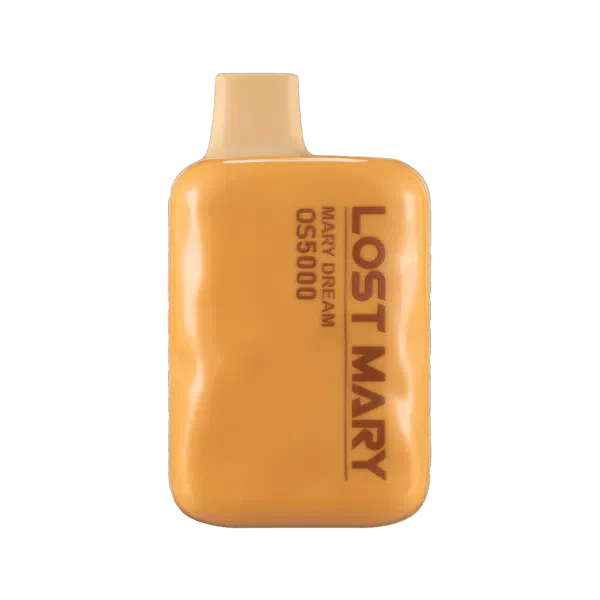
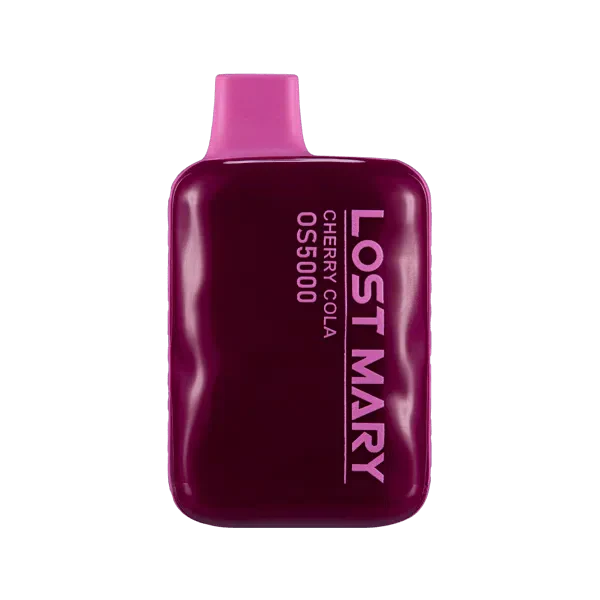
What Happens If Your Lost Mary OS5000 Battery Outlasts E-Liquid?
In the intricate balance of disposable vape engineering, the Lost Mary OS5000 stands as a testament to precision design, pairing its generous 10mL e-liquid reservoir calibrated for approximately 5,000 puffs with a robust 650mAh lithium-polymer battery engineered for comparable endurance. Yet, real-world variables like draw intensity, environmental conditions, and user habits occasionally disrupt this equilibrium, resulting in scenarios where the battery retains charge long after e-liquid depletes. This phenomenon unveils critical insights into device behavior, safety thresholds, and performance dynamics. This comprehensive analysis elucidates the mechanical, chemical, and practical ramifications of such mismatches, equipping users with the knowledge to navigate them responsibly.
The Engineered Synchronicity of Battery and E-Liquid Lifespans
Lost Mary engineers calibrate the OS5000 components to synchronize depletion timelines, leveraging the mesh coil's efficient wicking and atomization to consume both e-liquid and battery capacity proportionally. Under standardized testing with moderate three-second draws, the 10mL pod and 650mAh cell converge at roughly 5,000 puffs, with LED indicators providing parity cues through color-coded progressions from green to amber. This harmony stems from impedance-matched circuitry that throttles wattage output as resistances shift, preventing premature exhaustion of either resource.
Deviations arise from usage variances: light mouth-to-lung styles extract fewer puffs per milliliter, extending battery life disproportionately, while direct-lung draws accelerate e-liquid evaporation. Ambient factors such as high altitude or elevated temperatures further skew ratios, occasionally leaving significant battery reserves post-pod depletion.
Mechanical Consequences of Dry Operation
When e-liquid exhausts first, subsequent draws compel the mesh coil to operate without mediation, generating superheated vapor from residual wick fibers and airborne particulates. This dry firing elevates coil temperatures well beyond nominal ranges, scorching organic cotton and depositing carbonaceous buildup that elevates electrical resistance rapidly. Airflow sensors continue to sustain firing cycles despite absent consumables, producing wispy, flavorless output with intensified throat hit.
Prolonged dry runs strain the battery management system, as sustained low-load draws increase internal impedance and accelerate degradation mechanisms within the lithium cell. Casing temperatures climb palpably, activating rudimentary thermal throttling after extended use.
Chemical Byproducts and Health Ramifications
Dry coil operation catalyzes reactions in wick residues, liberating aldehydes such as acrolein and crotonaldehyde at significantly higher concentrations than fueled puffs. These irritants provoke mucosal inflammation, bronchospasm in asthmatics, and persistent dry mouth. Nicotine delivery may feel sharper without PG and VG buffering, yielding uncomfortable cardiovascular responses in sensitive users.
Battery overextension heightens dendrite formation risks within the cell, predisposing it to internal shorts. Trace metals released from coil erosion may enter condensates, renewing health concerns historically associated with early electronic cigarettes.
Performance Degradation and User Experience Shifts
Vapor quality deteriorates rapidly, with plume density contracting dramatically and firing reliability eroding as sensors encounter erratic impedance. Feedback such as LED vibrancy diminishes, reflecting firmware bias toward self-preservation.
Sensory profiles invert from vibrant flavors to metallic neutrality, prompting compensatory over-drawing that compresses residual battery capacity at accelerated rates. User satisfaction declines sharply once depletion thresholds are crossed.
Safety Protocols and Built-In Safeguards
The OS5000 incorporates layered protections including puff counters, over-discharge cutoffs, short-circuit detection, and thermal fuses. These systems limit extreme behaviors, yet persistent dry operation can overwhelm safeguards, with isolated field failures reported when battery-outlast conditions persist.
Strategic Decision Points for Affected Users
Upon confirming e-liquid exhaustion through visual indicators or taste fade, discontinue use immediately. Transitioning to an authentic replacement sourced from verified retailers restores normal performance and minimizes unnecessary battery strain. Interim storage in cool, upright conditions preserves remaining charge during the switch.
Environmental and Economic Dimensions of Mismatched Lifespans
Delayed recycling due to residual battery charge diminishes lithium recovery yields through natural self-discharge. From an economic standpoint, the value of salvaged charge rarely offsets the cost of degraded performance, reinforcing the practicality of timely replacement.
Long-Term Usage Optimization Recommendations
Pacing daily draws, monitoring LED trends, and alternating flavors help align depletion curves more predictably. Hybrid routines using alternative nicotine delivery systems bridge minor discrepancies without stressing disposable hardware.
Conclusion
When the Lost Mary OS5000 battery outlasts e-liquid, engineered harmony gives way to dry firing, chemical irritants, and steep performance erosion, making it essential to understand how to switch from an old one without exposing yourself to avoidable risks. Mechanical strain, health hazards, and economic inefficiencies quickly converge, rendering continued use untenable. Prompt retirement and a controlled transition to a new device preserve user safety, vaping satisfaction, and the operational integrity of the disposable paradigm.