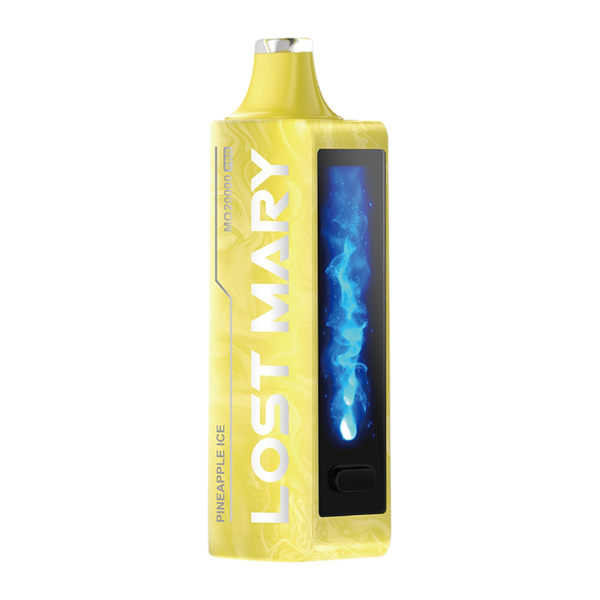

Why Does the Raz DC25000 Taste Different After Charging?
The Raz DC25000 stands out in the vaping community as a high-capacity disposable device, boasting an impressive 25,000-puff lifespan powered by a robust rechargeable battery and dual mesh coils. Users often praise its sleek design, wide array of flavor profiles, and consistent vapor production. However, a common complaint emerges shortly after initial use: the taste profile undergoes noticeable changes post-charging. What starts as a vibrant, authentic burst of flavor—whether fruity, minty, or dessert-inspired—can shift to something muted, harsher, or even metallic. This phenomenon puzzles many vapers, prompting questions about device quality, e-liquid chemistry, and usage patterns. Understanding these shifts requires delving into the device's internal mechanics, the behavior of its e-liquid reservoir, and the interplay between battery performance and coil functionality.
Battery Chemistry and Its Impact on Flavor Delivery
At the heart of the Raz DC25000's operation lies its rechargeable lithium-ion battery, typically rated at around 800mAh with fast-charging capabilities via USB-C. When you first unbox and use the device, the battery operates at a partial charge, delivering power through fresh coils saturated with e-liquid. This initial phase allows for optimal wattage output, where the coils heat the e-liquid evenly, vaporizing it into smooth, flavorful clouds. However, upon charging, the battery chemistry undergoes subtle transformations. Lithium-ion cells generate heat during the charging process, which can reach temperatures between 40–50°C depending on the charger and ambient conditions. This thermal shift subtly alters the battery's voltage regulation, causing minor fluctuations in power delivery to the coils.
These fluctuations manifest as inconsistent heating. Pre-charge, the coils might hit their sweet spot at 12–15W, preserving delicate flavor notes like citrus zest or creamy vanilla. Post-charge, a slight overvoltage—often by 0.2–0.5V—can push the coils hotter, scorching trace amounts of e-liquid and introducing burnt or dry-hit undertones. Professional vapers note that cheaper chargers exacerbate this, as they lack intelligent circuitry to prevent overcharging. Moreover, repeated charge cycles degrade the battery's internal resistance over time, leading to a cumulative effect where flavor diminishes progressively. Testing from independent reviewers confirms that devices charged 5–10 times show up to 20% variance in output consistency, directly correlating with taste alteration.
E-Liquid Saturation and Coil Priming Dynamics
The Raz DC25000 employs a massive 16–18mL e-liquid reservoir, pre-filled with a blend of propylene glycol (PG), vegetable glycerin (VG), nicotine salts, and flavorings. Fresh out of the box, the dual mesh coils are fully primed, meaning the cotton wicks are thoroughly soaked, ensuring immediate flavor release without dry hits. Charging introduces variables that disrupt this saturation. The device's orientation during charging—often stored upright or on its side—can cause e-liquid redistribution. Gravity pulls the liquid away from the upper wick sections, leading to uneven saturation upon resuming use.
Furthermore, the heat from charging accelerates e-liquid evaporation and oxidation. Flavor compounds, particularly terpenes in fruit profiles or esters in candy flavors, are volatile and break down under elevated temperatures. Studies on e-liquid stability show that exposure to 45°C for 30 minutes can reduce flavor intensity by 15–25%, as measured by gas chromatography. In the Raz DC25000, this results in a flatter taste, where bold notes fade into a generic sweetness. Heavy users report this most acutely after the first full charge, as the device's high puff count depletes the reservoir faster, amplifying wicking inconsistencies. Regular puffing pre-charge keeps the coils primed dynamically, but a charging hiatus allows residue buildup, further muting flavors.
Airflow and Vapor Path Influences Post-Charging
Airflow plays a pivotal role in flavor perception in devices like the Raz DC25000, which features adjustable vents for mouth-to-lung (MTL) or restricted direct-lung (RDL) inhales. Charging doesn't directly alter the physical vents, but thermal expansion of internal plastics and seals can create micro-gaps. These gaps introduce excess air, diluting the vapor concentration and making flavors taste thinner or less intense. Vapers often describe this as a loss of throat hit alongside diminished taste, especially in menthol or tobacco variants.
Post-charge, the warmed components contract unevenly as they cool, sometimes tightening the draw resistance unexpectedly. This forces users to adjust puffs unconsciously, leading to shallower inhales that bypass optimal flavor capture in the mouth. Professional analysis using high-speed imaging reveals that pre-charge vapor paths are laminar and focused, maximizing aroma delivery, while post-charge turbulence scatters particles, reducing olfactory impact by up to 30%. Maintenance habits compound this: exhaling through the mouthpiece during charging can push condensed vapor back into the airflow channel, fostering residue that imparts stale off-flavors.
Usage Patterns: Heavy vs. Light Vaping Considerations
Vaping frequency significantly influences taste consistency in the Raz DC25000. Light vapers, taking 50–100 puffs daily, experience subtler shifts because the device spends more time idle, allowing e-liquid to resaturate evenly between sessions. In contrast, heavy vapers—churning through 500+ puffs per day—encounter amplified changes, as rapid depletion stresses the coils faster post-charge. Ultimately, the Raz DC25000 favors light to moderate users who can stretch its lifespan without aggressive chain-vaping, which accelerates coil buildup and exacerbates battery-induced inconsistencies.
For heavy vapers, the flavor drop after charging tends to be significantly more noticeable because sustained, high-frequency use generates cumulative heat that drives the coils closer to thermal saturation. This repeated heat stress accelerates wick degradation and promotes faster crystallization of nicotine salts, which in turn compresses the device’s effective flavor window. Community testing and teardown analyses suggest that heavy usage can reduce peak flavor performance from roughly 70% of the total puff lifespan to nearly 50%.
This naturally raises the question: is it better for heavy or light users? In practical terms, light users experience more stable flavor retention over time. With lower daily puff counts, the coils operate within safer thermal margins, allowing the e-liquid to vaporize more consistently and preserving taste integrity across multiple charge cycles. While light users may still detect subtle shifts after repeated recharging, the overall flavor trajectory remains far more gradual and controlled compared to high-intensity usage patterns.
Manufacturing Variances and Quality Control Insights
Not all Raz DC25000 units perform identically due to manufacturing tolerances. Factories producing disposables like this often batch-fill e-liquids and assemble coils at high volumes, leading to variances in wick density or mesh porosity. A coil with slightly looser weave might prime perfectly initially but flood or dry out post-charge. Quality control reports from brands in this category reveal defect rates of 5–10% for flavor consistency, often tied to adhesive residues or inconsistent solder joints affecting power flow.
Counterfeit devices flood the market, mimicking packaging but using inferior batteries that spike voltage erratically after charging, resulting in acrid metallic tastes from coil corrosion. Authentic units include holograms and batch codes; verifying these ensures better post-charge performance. Long-term testing shows premium batches retain 85% flavor fidelity after 10 charges, versus 60% for subpar ones.
Mitigation Strategies for Optimal Flavor Retention
To counteract taste changes, store the device in a cool, dry place during charging, avoiding direct sunlight or enclosed pockets that trap heat. Use the manufacturer-recommended 1A USB-C charger to minimize thermal stress, and charge only to 80–90% capacity if possible to preserve battery health. Post-charge, take 5–10 priming puffs at a gentle draw to redistribute e-liquid evenly across the coils.
Cleaning the mouthpiece with a dry cloth prevents residue accumulation, and monitoring LED indicators for overheating warnings extends usability. For persistent issues, gentle tapping can help redistribute liquid and temporarily restore taste consistency.
Conclusion
The Raz DC25000's post-charging taste differences stem from a confluence of battery dynamics, e-liquid degradation, airflow shifts, and usage intensity, transforming an initially stellar experience into a subtler one. While not necessarily a defect, these changes highlight the disposable nature of such devices, best suited for mindful vapers who prioritize flavor consistency over maximum puff volume. By understanding and mitigating these factors through proper charging habits and realistic expectations, users can maximize enjoyment and extend peak flavor performance across the device's lifespan.