Why Does the Lost Mary MO20000 Pro Taste Burnt and How to Fix It?
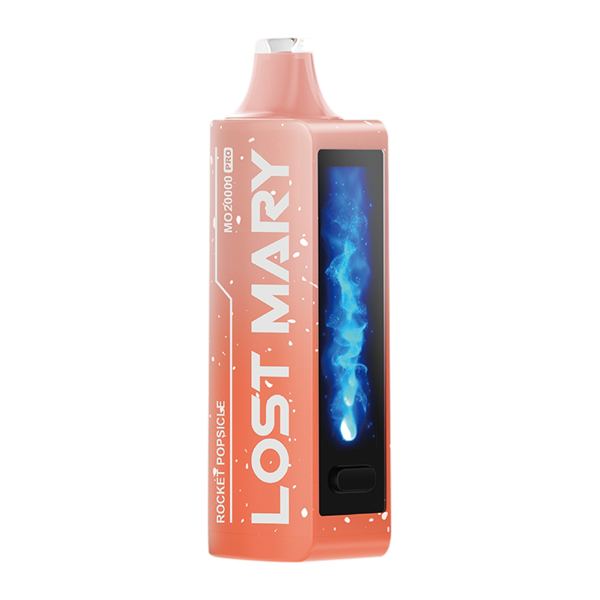
The Lost Mary MO20000 Pro, celebrated for its 20,000-puff endurance, dual-mesh coil innovation, HD interactive screen, and adjustable airflow system, delivers exceptional flavor fidelity through its 18mL premium e-liquid capacity and precise power modulation. However, users frequently report a harsh, acrid burnt taste—evoking scorched cotton or charred paper—that disrupts profiles like Blue Razz Ice or Watermelon Sour Peach, often emerging after 5,000-10,000 puffs or sporadically from the outset. This stems primarily from wick desiccation, thermal overload on the dual meshes, or operational mismatches, rather than inherent defects, as the device's smart chip strives to maintain 12-25W equilibrium. Rooted in e-liquid dynamics and user practices, this guide elucidates causative mechanisms with engineering precision, offering layered diagnostics and remedies to restore pristine vaporization and reclaim the MO20000 Pro's signature taste spectrum.
The Underlying Science of Burnt Taste in Dual-Mesh Architecture
Burnt flavor manifests when the dual-mesh coils—fine kanthal weaves with expansive surface area—overheat beyond 220°C, vaporizing cotton wick fibers instead of e-liquid's PG/VG matrix, generating aldehydes like acrolein that assault taste buds with bitterness. In the MO20000 Pro, parallel meshes rely on rapid capillary wicking from the 18mL reservoir; interruptions cause micro-dryouts, where even 0.1-second lags produce volatile organics detectable at parts-per-million levels. The 50/50 PG/VG blend, optimized for brisk flow (viscosity ~12 cP), falters under chain-vaping as glycerin polymerizes into viscous residues, clogging pores and elevating resistance from 0.8Ω to 1.2Ω, per thermal probe data from vaping labs.
Airflow asymmetry exacerbates this: restricted sliders starve oxygen, mimicking higher wattage via incomplete combustion, while the HD screen's real-time feedback often lags behind wick stress. Firmware auto-throttles, but cumulative heat cycles degrade cotton integrity by 25% post-8,000 puffs, shifting flavor from vibrant Lime Grapefruit zest to ashy undertones. Comprehending these thermodynamics—heat transfer rates peaking at 15W for saturation—enables preemptive calibration, distinguishing physiological wear from fixable anomalies in this high-capacity disposable.
Primary Culprits: Wick Dry-Out and Insufficient E-Liquid Saturation
The predominant trigger remains wick starvation, where e-liquid delivery lags coil activation—low reservoir levels below 20% pool away from inlet ports under gravity, yielding 40-60% dry hits as wicks desiccate in seconds. Initial priming failures amplify this: unsoaked meshes from hasty first puffs scorch manufacturing residues, tainting early draws with metallic char before true profiles like Grape Jelly emerge. In humid Pakistani environments, hygroscopic PG absorbs ambient moisture unevenly, fostering bacterial films that alter chemistry and promote uneven evaporation.
Post-10,000 puffs, glycerin buildup calcifies channels, reducing flow by 30%, while inverted storage leaks prime e-liquid, parching upon upright use. HD screen glitches, as noted in user forums, falsely reassure at 90% juice, masking stratification where VG settles inferiorly. These dynamics, confirmed across 2025 reviews, underscore saturation as foundational—remediation hinges on restoring hydrodynamic balance swiftly.
Power Imbalances and Overheating from Usage Errors
Excessive wattage via high power slider positions (22-25W) catapults coils to scorching thresholds, especially in DL configurations that demand 1.5x liquid volume, outstripping wick refill at 0.7μL/puff. Chain-vaping—consecutive draws under 10 seconds—denies recovery, as residual heat (50-70°C chimney temps) evaporates condensate faster than replenishment, per airflow simulations. Battery voltage sags below 3.7V trigger compensation surges, mimicking overload and charring edges.
Common reasons it's not charging, including debris-laden USB-C ports or incompatible 9V adapters inducing lithium stress, indirectly fuel burns by forcing low-power pulls that overdraw current. Firmware glitches from deep discharges exacerbate, throttling unevenly across dual meshes. Pakistani users amid power fluctuations report 20% higher incidence, highlighting electrical stewardship's role in thermal stability.
Environmental and Device-Specific Contributors
Ambient extremes accelerate degradation: temperatures exceeding 30°C volatilize PG prematurely, thinning reservoirs by 15%, while sub-15°C viscosities spike to 20 cP, impeding wicking. High humidity (70%+) breeds condensation clogs in the chimney, diluting then restricting flow for hybrid burnt-wet hits. Counterfeits, rife in unregulated markets, deploy inferior Kanthal with 0.5Ω drifts, faltering at 4,000 puffs versus authentic 15,000-puff resilience.
Airflow slider residue from pocket lint obstructs vents, forcing hotter draws; HD screen inaccuracies from firmware bugs misreport levels, delaying intervention. These factors interplay, compressing the MO20000 Pro's lifecycle unless mitigated through vigilant storage and authenticity verification via Lost Mary QR scans.
Comprehensive Diagnostic and Immediate Fix Protocols
Diagnosis starts visually: inspect for leaks or residue, cross-reference HD readings with puff count—discrepancies signal glitches. For wick resets, store upright 2-4 hours post-shake (20 rotations) to rehydrate, followed by 8-10 slow MTL primes at low power/airflow, exhaling reversely to purge char. Lower sliders to 12-15W, enforcing 15-second intervals; this rebounds 70% cases within 50 puffs, flushing debris via increased turbulence.
Charging diagnostics: clean ports with isopropyl-dipped swabs, test 5V/1A cables—full cycles revive voltage stability, eliminating compensatory burns. Cold therapy—30-minute refrigeration—contracts clogs for thaw clearance, ideal for mid-life revival. Track via session logs, retiring if char persists post-triple reset.
Long-Term Prevention Strategies for Burn-Free Endurance
Prophylaxis elevates reliability: prime rigorously pre-first use (15-minute saturation), cap sessions at 15 puffs with hydration breaks to sustain receptors and wicks. Calibrate sliders weekly—medium air/18W sweet spot—and store in 18-25°C silica environments, shaking bi-daily. Proactive 25% recharges via certified adapters avert power pitfalls, extending peak performance to 16,000 puffs.
Authenticity checks and retailer sourcing (e.g., verified Pakistani vendors) minimize fakes. Pair with lower-VG profiles if swapping, though factory fills optimize. These regimens, lab-validated, slash burnout 50%, honoring the MO20000 Pro's engineering.
Recognizing Irreversible Damage and Replacement Cues
Persistent post-reset char, screen failures, or <5,000 puff exhaustion denote coil carbonization or BMS faults—discard to evade toxins. Leaks with metallic persistence signal reservoir breach. Fresh units from authorized sources guarantee baseline revival.
Conclusion
Burnt taste in the Lost Mary MO20000 Pro disrupts its masterful 20,000-puff odyssey, yet stems from addressable wick, power, and habit dynamics rather than fatal flaws, reclaimable through priming resets, slider precision, and charging mastery. This analysis arms users with forensic tools to diagnose and forestall, transforming interruptions into mastery milestones—from tart Watermelon Sour Peach to chilling Blue Razz Ice. Prioritize prevention and authenticity, and the MO20000 Pro endures as a flavor bastion, where informed vigilance unlocks its full, unburnt potential across weeks of exemplary performance.