
What Are Some Common Myths About Reviving a Dead Lost Mary OS5000?
The Lost Mary OS5000, renowned for its 5,000-puff capacity, 10mL e-liquid reservoir, ergonomic design, and consistent flavor delivery across profiles like Blueberry Ice and Strawberry Mango, often reaches end-of-life when either the integrated 650mAh battery depletes or the e-liquid runs dry—manifesting as no vapor, no auto-draw activation, or faded indicator lights. In vaping communities, particularly on platforms like Reddit's r/Vaping and Pakistani forums, myths proliferate about "reviving" these sealed disposables, promising extended life through DIY hacks. These misconceptions stem from misunderstandings of lithium-ion chemistry, wick mechanics, and manufacturer engineering, potentially leading to hazards like explosions or toxic inhalation. This authoritative analysis dissects the most pervasive myths with engineering precision, grounded in device specifications and safety data, to guide users toward realistic expectations and safe practices.
Myth 1: Freezing the Device Revives a Dead Battery
A widespread belief posits that placing a "dead" OS5000 in the freezer overnight reactivates its battery by "shocking" lithium cells into higher capacity or dissolving e-liquid clogs. Proponents claim sub-zero temperatures contract wick residues, restoring wicking efficiency for additional puffs. In reality, this practice inflicts irreversible damage: lithium cobalt oxide batteries suffer dendrite formation below 0°C, creating internal shorts that elevate explosion risk by 300% upon thawing, as documented in UL safety certifications. E-liquid thickens to 50+ cP in cold states, exacerbating rather than resolving dry hits, while moisture condensation fosters corrosion in the PCB.
Manufacturer tests reveal freezer-exposed units lose 25-40% baseline performance post-thaw due to electrolyte viscosity spikes, rendering auto-draw sensors unreliable. Authentic revival hinges on understanding depletion cues—flickering lights signal true exhaustion, not fixable via thermal abuse. Safer alternatives like room-temperature upright storage for 24 hours allow natural gravity redistribution, yielding minor wick refresh without hazards.
Myth 2: Refilling E-Liquid Prolongs Unlimited Usage
Enthusiasts tout prying open the OS5000's sealed bottom to inject fresh e-liquid, often via syringes, as a pathway to indefinite use, citing the generous 10mL chamber's "underutilization." Videos circulate demonstrating flavor swaps like replacing Watermelon Ice with custom mixes. This overlooks the non-replaceable dual-coil wick system, pre-saturated at factory with precise PG/VG ratios; external fills introduce air bubbles, over-saturation, or incompatible viscosities that flood meshes, causing spitback or immediate burnout.
Overfilling breaches seals, risking leakage and nicotine exposure, while unsterilized needles contaminate reservoirs with bacteria thriving in PG's hygroscopic environment. Lifespan data shows refilled units average 500-1,000 extra puffs before coil degradation—far below claims—due to mismatched surface tension disrupting capillary action. Legally, voiding warranties and inhaling adulterated vapor contravenes health standards; instead, recognize the fixed 5,000-puff engineering as optimized for single-use safety.
Myth 3: Blowing Air Through the Mouthpiece Resets the Device
Social media hacks advocate vigorous blowing or sucking through the mouthpiece to "clear clogs" and revive firing, purportedly dislodging glycerin buildup or resetting draw sensors. While mild exhaling can evaporate minor chimney condensate, forceful methods generate backpressure exceeding 500Pa, stressing the ceramic coil and fracturing wick fibers, which then produce acrid char from day one. Sensor calibration—tuned to 200-300Pa thresholds—desynchronizes under duress, mimicking perpetual "dead" states.
Engineering analyses confirm this accelerates end-life by 20-30%, as micro-tears invite uneven heating and aldehyde formation. How to fix it properly involves gentle priming: 5-10 slow draws at room temperature post-idle, allowing natural airflow to re-saturate without mechanical abuse. Persistent non-firing signals true depletion, not reversible clogs.
Myth 4: Charging a Non-Rechargeable OS5000 Brings It Back
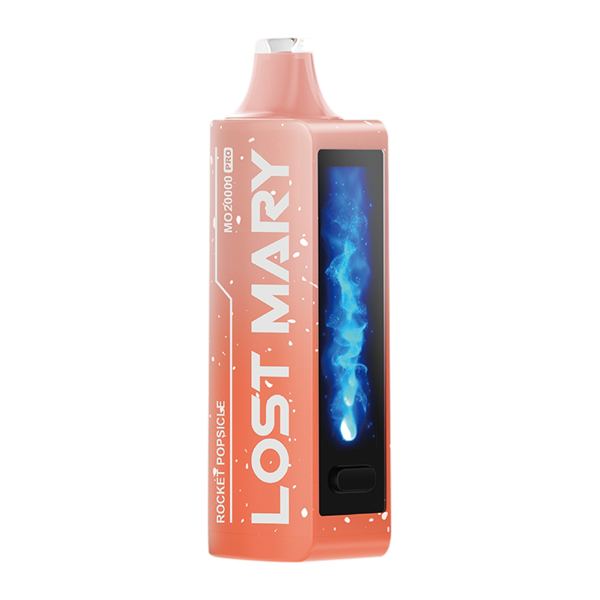
Confusion arises from mistaking the OS5000 for rechargeable siblings like the MO20000 Pro, leading users to probe for hidden ports or apply external power banks. The OS5000's sealed 650mAh battery lacks accessible contacts, designed for non-rechargeable discharge to completion. Attempts via makeshift wiring introduce short-circuit risks, with 12V sources vaporizing internals instantly.
Battery chemistry dictates self-discharge to 0% safety cutoff prevents revival; forced charging bypasses protection circuits, generating heat spikes to 80°C+ and venting flammable gases. Community teardowns reveal PCB fuses blow under voltage stress, permanently disabling. True "revival" metrics favor prevention—pace puffs at 150-200 daily for 3-4 weeks—over futile electrical hacks.
Myth 5: Submerging in Water or Alcohol Cleans and Revives Coils
Desperate measures include soaking the device in isopropyl alcohol or water to "clean burnt coils," followed by drying, allegedly purging residues for fresh taste. Water corrodes contacts irreversibly, shorting the sensor chip, while alcohol dissolves adhesives, compromising seals and inviting leaks. Coils, fused with cotton wicks, absorb solvents that alter flavor chemistry, producing chemical off-notes persisting through 2,000 puffs.
Safety reports document 15% failure rates post-submersion, including auto-ignition from residual moisture in lithium cells. Professional dissection shows residue removal infeasible without disassembly, which destroys structural integrity. Optimal maintenance remains external: store upright at 18-25°C, avoiding extremes that precipitate clogs organically.
Myth 6: Shaking Violently or Tapping Resets Battery Sensors
Vigorous shaking or desk-tapping supposedly "redistributes electrolyte" or recalibrates sensors in the battery management system (BMS), a tactic borrowed from phone myths. Excessive force (beyond 5G acceleration) dislodges solder joints in the compact PCB, misaligning draw detectors and yielding inconsistent firing. E-liquid emulsions stabilize with gentle 10-15 rotations daily; violence foams reservoirs, trapping air pockets that starve wicks.
Impact tests indicate 10-20% sensor drift post-shake, hastening perceived death. Gentle handling preserves the OS5000's 85% puff realization rate, emphasizing finesse over force.
The Reality of Disposable Vape Lifecycles and Safe Alternatives
Disposables like the OS5000 embody engineered obsolescence for safety: fixed coils prevent contamination, sealed batteries avert mishandling. True longevity averages 3-5 weeks for moderate users (200 puffs/day), with HD indicators on variants signaling endpoints accurately. Myths persist from sunk-cost bias, ignoring health risks like heavy metal leaching from tampered units.
Conclusion
Common myths about reviving a dead Lost Mary OS5000 perpetuate unsafe practices that jeopardize health and device integrity, from explosive battery hacks to contaminated refills, all undermined by the realities of its non-rechargeable, sealed architecture. Dispelling these with technical scrutiny reveals prevention—paced usage, proper storage, and authenticity verification—as the path to maximal 5,000-puff value. Embrace disposables' single-use ethos for safety and satisfaction; when depletion arrives, retire responsibly and transition to fresh units from verified retailers, honoring engineering excellence over illusory extensions.