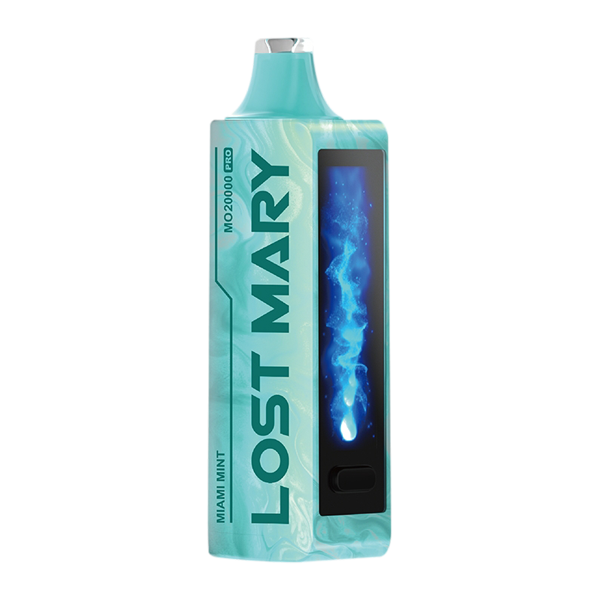
Why Covering Airflow Holes Hurts Lost Mary MO20000 Pro Performance?
The Lost Mary MO20000 Pro represents a high-capacity disposable vape engineered for up to 20,000 puffs, featuring premium mesh coils and a dual-mode adjustable airflow system that allows users to transition between tighter mouth-to-lung draws and looser direct-lung inhales. This airflow control is central to its flavor clarity and vapor density. However, some users intentionally cover the airflow holes with fingers, tape, or by gripping the device tightly in an attempt to intensify the draw. This practice significantly disrupts performance, leading to unstable vapor output, burnt flavors, and accelerated internal wear.
Disrupted Airflow Dynamics and Vapor Production
The airflow intake vents are calibrated to deliver a controlled volume of ambient air that mixes with vapor from the heated mesh coil. This balance stabilizes temperature and ensures smooth inhalation. When airflow holes are partially or fully blocked, the coil is deprived of adequate air supply, reducing vapor volume and altering pressure equilibrium inside the chamber.
Restricted airflow often produces thinner clouds, muted flavors, and inconsistent throat hits. In addition, improper pressure dynamics can interfere with e-liquid wicking, increasing the likelihood of dry hits. Because the draw-activation system relies on airflow detection, obstruction may also trigger irregular firing behavior and reduced puff efficiency.
Coil Overheating and Premature Burnout
Airflow functions as a cooling mechanism for the mesh coil. When vents are obstructed, heat accumulates rapidly around the heating element, pushing temperatures beyond intended operating ranges. Elevated heat levels accelerate cotton wick charring and metal oxidation, shortening coil lifespan significantly.
Prolonged overheating leads to burnt taste, darker residue buildup, and diminished vapor production. The accumulation of carbonized deposits further restricts airflow internally, compounding the initial obstruction. Over time, coil degradation may occur far earlier than the device’s rated puff capacity.
Battery Strain and Inefficient Power Delivery
The MO20000 Pro’s internal battery and chipset regulate power output based on draw resistance. When airflow is blocked, resistance increases, prompting the chipset to compensate with higher power delivery. This additional load accelerates battery discharge and raises internal operating temperatures.
Increased thermal stress reduces battery efficiency and may shorten runtime between charges. Heat buildup can also interfere with optimal charging cycles, leading to inconsistent performance and earlier capacity decline. Maintaining open airflow supports stable voltage regulation and more efficient energy consumption.
E-Liquid Consumption and Leakage Risks
Balanced airflow ensures steady capillary wicking of e-liquid to the coil. Blocking airflow holes disturbs this equilibrium, potentially causing over-saturation or localized dry spots within the wick. Flooding can occur when liquid accumulates without proper vapor evacuation.
This imbalance increases the likelihood of condensation buildup, leakage through seals, and contamination of internal components. Uneven e-liquid depletion may also degrade flavor quality and nicotine delivery consistency, reducing overall device reliability.
Sensor Malfunction and Device Reliability Issues
The draw-activation sensor depends on consistent airflow pressure differentials to function accurately. Obstructing intake vents alters these pressure signals, which may cause misfires, delayed activation, or auto-firing behavior. Repeated stress on the sensor system can lead to long-term reliability concerns.
Improper vapor evacuation also allows residue accumulation near airflow channels and sensor components, potentially impairing responsiveness. Unrestricted airflow is essential for preserving the device’s smart regulation features and ensuring stable operation.
Conclusion
Obstructing the airflow holes on the Lost Mary MO20000 Pro disturbs the device’s calibrated air-to-vapor ratio, forcing the coil and battery to operate under elevated thermal and electrical stress. This imbalance accelerates mesh coil burnout, increases internal resistance within the battery, disrupts consistent e-liquid wicking, and heightens the risk of sensor irregularities. As performance declines—manifesting as weaker vapor, muted flavor, or erratic firing—many users begin asking how long does it last for average users, often unaware that airflow obstruction is a primary contributor to premature lifespan reduction.
Sustained reliability depends on preserving unobstructed ventilation and using only the built-in airflow control for draw customization. Proper airflow stabilizes temperature regulation, optimizes power efficiency, and maintains uniform vapor production across the device’s lifecycle. By avoiding manual blockage and following balanced usage practices, users significantly improve durability, maintain flavor fidelity, and maximize the device’s intended operational capacity.