Is It Safe to Use a Damaged Raz DC25000?
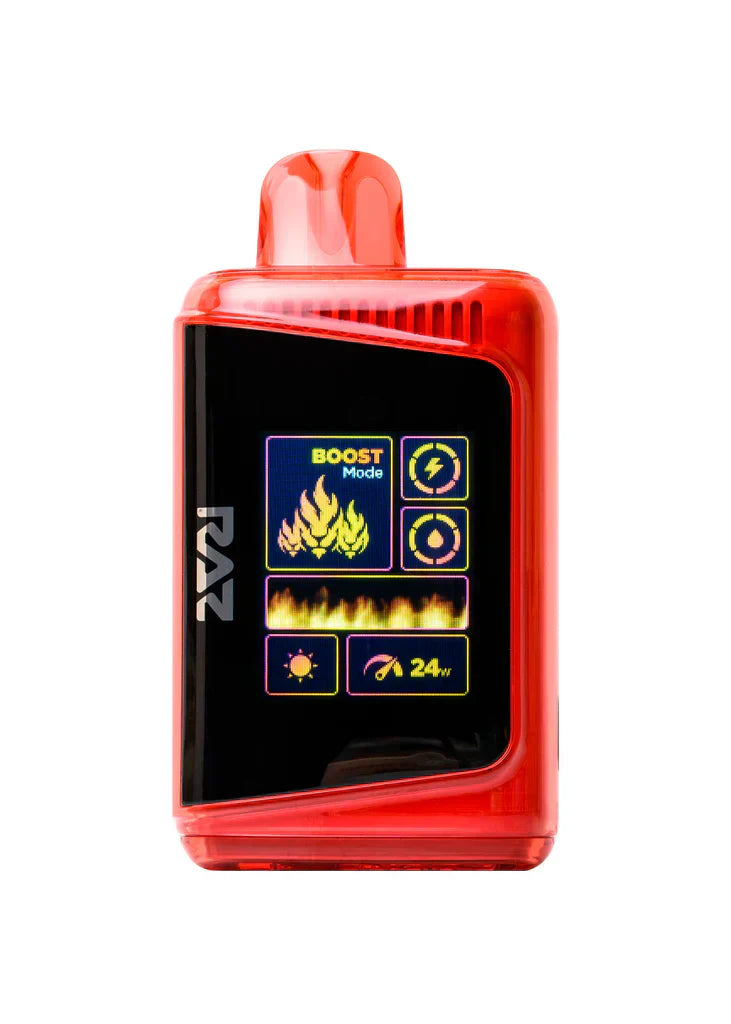
The Raz DC25000 stands out in the crowded disposable vape market for its extraordinary 25,000-puff capacity, dual mesh coils, and rechargeable 800mAh battery system, all encased in a durable aluminum alloy frame. However, damage from drops, impacts, or wear can compromise its integrity, raising critical questions about user safety. A damaged device might leak e-liquid, malfunction electrically, or harbor battery risks, potentially leading to health hazards or fire. This comprehensive article explores the multifaceted safety implications of continued use, dissecting common damage types, associated risks, diagnostic methods, and expert recommendations to guide informed decision-making.
Defining Damage in the Raz DC25000
Damage to the Raz DC25000 manifests in various forms, each with distinct implications for safety and performance. Physical trauma, such as drops from pocket or table height, often results in dents to the aluminum chassis, cracked mouthpiece components, or misaligned airflow vents. These external issues may seem cosmetic at first but can signal deeper problems, like compromised seals around the e-liquid reservoir, which holds up to 18mL of nicotine-infused juice. Internal damage is subtler yet more perilous: vibrations from impacts can loosen solder joints on the printed circuit board (PCB), disrupt battery connections, or warp the delicate mesh coils responsible for vapor production.
Chemical degradation adds another layer. Exposure to environmental factors post-damage—such as moisture ingress—can degrade propylene glycol (PG), vegetable glycerin (VG), and flavorings, altering their composition into irritants. Electrical faults emerge when safety circuits fail, evidenced by flickering screens, erratic puff counters, or failure to charge via USB-C. Professional teardowns reveal that even minor chassis flexing stresses the dual 400mAh batteries, potentially causing micro-fractures in cell casings. Understanding these damage profiles is essential, as superficial fixes mask underlying threats that escalate with prolonged use.
Battery and Fire Hazards
The rechargeable lithium-ion batteries in the Raz DC25000 are engineered with safeguards like overcharge protection and short-circuit prevention, yet damage undermines these features. A compromised battery may swell due to internal shorting, releasing electrolyte gases that build pressure and risk venting or rupture. In extreme cases, thermal runaway occurs: heat from a fault triggers a self-sustaining reaction, potentially igniting nearby flammables at temperatures over 600°C (1,112°F). User reports document rare but alarming incidents where dropped devices overheated in pockets, causing minor burns or fabric scorching.
Post-damage, charging amplifies dangers. Faulty connections draw uneven current, bypassing the device's temperature monitoring, which normally caps output at safe levels (12-24W across Normal and Boost modes). Manufacturing standards ensure pristine units withstand rigorous drop tests, but real-world impacts—equivalent to 50-100G forces—can puncture cell separators, inviting dendrite formation that bridges electrodes. Regulatory analyses emphasize immediate disposal if swelling, hissing, or unusual warmth appears, as lithium fires are notoriously difficult to extinguish and release toxic fumes.
E-Liquid Leaks and Chemical Exposure
Leaks are among the most immediate safety concerns with a damaged Raz DC25000. Fractured tank seals or dislodged mouthpiece gaskets allow e-liquid to escape, exposing skin to nicotine, which absorbs rapidly and can induce symptoms like nausea, headaches, or elevated heart rates even in low doses (as little as 20mg for sensitive individuals). Flavorings and humectants further irritate eyes, mucous membranes, and respiratory tracts upon contact or inhalation of aerosolized spills.
Continued vaping from a leaking device contaminates draws with airborne contaminants, heightening ingestion risks. Is hard pulling bad? Yes, particularly on a damaged unit, as forceful inhales flood coils unevenly, worsening leaks and introducing unvaporized e-liquid into the lungs, where PG/VG mixes may cause inflammation or lipoid pneumonia in vulnerable users. Long-term exposure studies link chronic leaks to dermatitis or allergic reactions, underscoring the need for vigilant inspection—any dampness around ports or mouthpiece warrants retirement.
Performance Degradation and Health Impacts
A damaged Raz DC25000 often delivers subpar performance that indirectly compromises health. Warped coils produce inconsistent heating, generating higher levels of harmful byproducts like formaldehyde and acrolein—carcinogenic aldehydes formed when e-liquid overheats beyond 215°C (419°F). Users notice burnt tastes, reduced vapor, or gurgling, signaling flooded wicks that bypass filtration and deliver raw chemicals.
Respiratory effects intensify with prolonged use: erratic airflow forces compensatory hard pulls, increasing particulate inhalation and straining airways. Cardiovascular strain arises from unstable nicotine delivery, spiking blood levels unpredictably. Ophthalmic evaluations note elevated dry eye risks from volatile organic compounds escaping faulty seals. While pristine devices minimize these via precise temperature control, damage disrupts this balance, elevating toxin exposure comparable to older-generation vapes lacking modern safeguards.
Diagnostic Steps for Assessing Safety
Thorough diagnostics are crucial before deeming a damaged Raz DC25000 usable. Begin with a visual sweep: check for dents, cracks, leaks, or battery bulging under good lighting. Functional tests include charging for 30 minutes—monitor for excessive heat (over 45°C/113°F) or screen anomalies—and observing 10-20 puffs for consistent output without sputtering or off-flavors.
Advanced checks involve shaking gently for rattles (indicating loose internals) and using a multimeter on exposed contacts for continuity, though this risks warranty voids. Odor assessment detects solvent-like smells signaling degradation. If any test fails—e.g., intermittent firing or residue buildup—prioritize safety over salvage. Professional vape technicians employ X-ray imaging or ultrasonic testing for hidden fractures, confirming viability with 90% accuracy.
Legal and Regulatory Perspectives
Regulatory bodies classify damaged disposables as adulterated products, prohibiting sale or use due to uncertified safety. Tampering or continued operation post-damage violates compliance standards mandating intact protective features. Liability shifts to users in incidents, with manufacturers disclaiming responsibility for mishandled units.
Global vaping forums and health agencies report upticks in damage-related complaints, prompting recalls for similar devices. Adhering to guidelines—discard at e-waste facilities—ensures environmental safety, as lithium and nicotine pollute landfills if improperly trashed.
Alternatives and Best Practices
Safer alternatives include pod systems with replaceable parts, allowing targeted repairs without full disposal. For DC25000 loyalists, protective cases mitigate future damage, absorbing 70% of impact energy per engineering specs. Routine maintenance—cleaning ports, avoiding extreme temperatures—extends life proactively.
Transitioning to regulated rebuildables offers customization with verified components, though demands expertise. Ultimately, prioritizing verified safety trumps convenience.
Conclusion
Using a damaged Raz DC25000 poses substantial risks, from battery fires and chemical exposures to degraded performance yielding harmful emissions, far outweighing any short-term convenience. While its factory safety features excel in undamaged states, impacts unravel these protections, demanding rigorous diagnostics and swift disposal when red flags appear. Vapers must weigh health imperatives against habits, opting for replacement or alternatives to safeguard well-being. Responsibly managing damage ensures vaping remains an enjoyable pursuit, not a peril.