Why Blowing Into the Geek Bar Pulse Can Cause Problems?
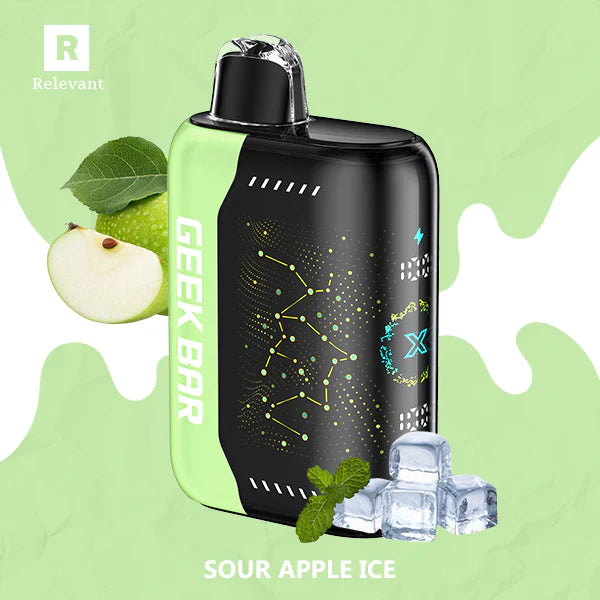
The Geek Bar Pulse incorporates a sophisticated puff sensor designed to activate the dual mesh coils when the user draws air through the mouthpiece. While inhalation is the intended operation, blowing forcefully into the mouthpiece introduces moisture, pressure, and contaminants that can damage the sensor, force e-liquid into the battery compartment, and create persistent operational failures. This reversal of airflow direction, often done to test the device or clean it, compromises the delicate internal components and can render the device unusable even though the coil and battery remain functional.
Sensor Contamination and Mechanical Failure
The puff sensor in the Geek Bar Pulse is a small mechanical component that responds to air pressure changes created by inhalation. When users blow into the device, they propel moisture from their breath directly into the sensor chamber. This moisture can contain saliva particles, condensation, or vapor residue that accumulates on the sensor's sensitive surfaces. Once contaminated with e-liquid or moisture, the sensor cannot return to its original resting position, causing it to remain stuck in the activated state.
A stuck sensor creates a continuous activation problem where the device hisses or fires even when not being used. This happens because the sensor physically cannot separate from its contact point after beingforced open by reversed airflow pressure. The problem is mechanical rather than electronic, which means resetting the device through software methods will not resolve it. Users who blow into the device often discover that their Geek Bar Pulse continues activating spontaneously, wasting battery power and e-liquid until the sensor is mechanically freed or the device is replaced.
E-Liquid Displacement and Internal Leakage
Blowing into the mouthpiece generates positive pressure that pushes air backward through the device's internal airflow channel. This pressure can force e-liquid out of its intended reservoir and into areas where it should never travel, including the battery compartment and electrical connections. The Geek Bar Pulse stores e-liquid in a chamber designed for gravity-fed flow toward the coil, but reversed pressure disrupts this natural flow pattern.
When e-liquid enters the battery compartment, it creates multiple risks. The liquid can corrode electrical contacts, interfere with the battery's connection to the device's circuitry, and potentially cause short circuits that prevent the device from firing. Even if the device continues functioning temporarily, the accumulated liquid degrades performance over time and may cause sudden failure. Users who blow into their device often notice e-liquid leaking from unexpected areas, such as the charging port or sensor opening, indicating that internal displacement has occurred.
Moisture Accumulation and Coil Damage
The dual mesh coils in the Geek Bar Pulse are designed to heat e-liquid when activated by the puff sensor during normal inhalation. Blowing into the device introduces ambient moisture from breath directly onto the coil surface before activation. This moisture can condense on the metal mesh and create uneven heating patterns when the device eventually fires. The coil may produce a burnt taste, weak vapor production, or inconsistent flavor because the water content interferes with proper e-liquid vaporization.
Moisture accumulation also creates a breeding environment for bacterial growth inside the airflow channel. Unlike the sterile e-liquid originally in the device, breath moisture contains organic particles that can decompose and contaminate the internal components. This contamination affects flavor quality and may introduce unpleasant tastes that persist even after the device is used normally again. The coil's mesh structure, designed for efficient heat transfer, becomes less effective when coated with moisture residue, reducing overall performance.
Battery Compartment Corrosion and Electrical Failure
The battery compartment in the Geek Bar Pulse contains electrical connections that must remain dry for proper operation. When blowing forces e-liquid or moisture into this area, the liquid can corrode metal contacts and interfere with the battery's ability to deliver power to the coil. Corrosion begins as a thin film on electrical surfaces and progressively worsens, eventually preventing the battery from connecting properly to the device's circuitry.
Electrical failure from moisture contamination can manifest in several ways. The device may fail to power on entirely, display incorrect battery percentages, or shut off unexpectedly during use. Some users experience intermittent firing where the device activates unpredictably because moisture creates temporary electrical bridges between contacts. These problems often worsen over time as corrosion spreads, and they cannot be reversed through cleaning since the internal components are not accessible without destroying the device's sealed housing.
Pressure Damage to Internal Seals and Components
The Geek Bar Pulse is constructed with internal seals designed to maintain e-liquid containment and protect electrical components from external contamination. Blowing forcefully into the mouthpiece generates pressure that exceeds the design specifications for reversed airflow. This pressure can stretch, weaken, or break seals that normally prevent leakage during standard use. Once seals are compromised, the device loses its ability to contain e-liquid properly, leading to persistent leakage problems.
Internal components beyond the sensor and battery compartment can also suffer pressure damage. The airflow channel contains small plastic or metal guides that direct air to the coil, and these components can become misaligned or displaced when subjected to reversed pressure. The coil itself may separate from its mounting points or develop micro-fractures in the mesh structure. These mechanical failures reduce vapor production efficiency and create inconsistent performance that cannot be corrected through normal use or adjustments.
Impossible Repair and Device Replacement Requirements
The damage caused by blowing into the Geek Bar Pulse is fundamentally irreversible because the device is manufactured as a sealed unit with no accessible internal components for repair. Once the puff sensor becomes contaminated with moisture or e-liquid, there is no practical method to clean or restore it without destroying the device's housing. Users who attempt to open the device for cleaning will damage the battery seal, compromise e-liquid containment, and void any remaining functionality.
When internal corrosion or seal damage occurs, the only solution is complete device replacement. The cost of replacing a damaged Geek Bar Pulse far exceeds the cost of using it properly from the start. Some users attempt to work around sensor problems by continuously blowing hard through the mouthpiece to force the sensor back, but this temporary fix often causes additional moisture contamination and accelerates further degradation. The best approach is recognizing that blowing into the device creates permanent damage that requires replacement.
Proper Maintenance Alternatives that Avoid Damage
Instead of blowing into the mouthpiece to test or clean the device, users should employ safe maintenance practices that do not introduce reversed airflow. Wiping the mouthpiece with a dry cloth removes surface residue without pushing moisture internally. Checking the battery level on the display and verifying airflow settings provides operational information without risking sensor contamination. If the sensor becomes stuck from normal use, gently tapping the device against the hand or blowing very lightly through the mouthpiece in the correct direction may free it without causing damage.
For devices that show signs of leakage or sensor problems, proper storage becomes critical. Storing the device upright in a cool, dry place prevents additional leakage and minimizes further moisture accumulation. These practices align with best storage tips for lithium-ion devices and help ensure the battery remains functional while preventing additional damage to compromised components. Understanding that maintenance must never involve reversed airflow protects the device from the specific problems that blowing creates.
Conclusion
Blowing into the Geek Bar Pulse compromises the puff sensor through moisture contamination, forces e-liquid into the battery compartment causing corrosion, damages internal seals through excessive pressure, and creates mechanical failures that cannot be repaired. The device's sealed construction means that sensor contamination, electrical corrosion, and seal damage require complete replacement rather than repair. These problems stem from introducing reversed airflow pressure that exceeds the design specifications for the sensor, coil, and internal containment systems.
Proper operation requires inhaling only through the mouthpiece, avoiding any attempt to test or clean the device by blowing air backward through the system. Maintenance should focus on external cleaning, battery monitoring, and appropriate storage rather than internal manipulation. Recognizing that blowing creates permanent, irreversible damage helps users understand why this practice must be avoided entirely. The Geek Bar Pulse's advanced features function reliably only when the device operates within its intended airflow parameters, and reversed airflow fundamentally violates those parameters.