What to Do If the Lost Mary Quasar OS25000 Stops Producing Vapor?
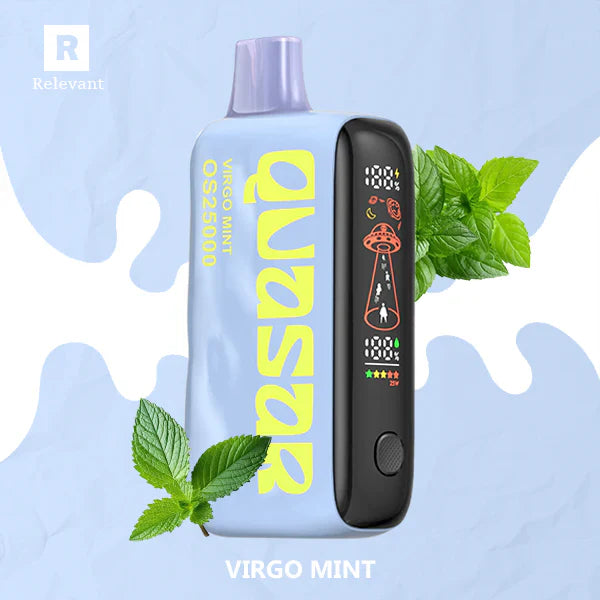
When the Lost Mary Quasar OS25000 abruptly ceases vapor output despite its advertised 25,000-puff prowess and QUAQ mesh coil engineering, frustration mounts quickly. This disposable powerhouse, with a 13.5mL e-liquid capacity and intelligent OLED monitoring, rarely fails without cause—often tied to usage, environment, or design limits. This guide delivers systematic troubleshooting, from immediate checks to advanced diagnostics, ensuring you pinpoint issues and respond effectively for restored performance or informed retirement.
Initial Quick Checks for Obvious Culprits
Begin with power cycle simulation: store upright in a cool, dry environment for 15-30 minutes, allowing any condensed vapor to redistribute. Attempt 3-5 gentle draws—aggressive pulls strain the airflow sensor. Verify the mouthpiece aligns flush; misalignments block intake.
Inspect the OLED display: full green battery and e-liquid bars rule out depletion preliminaries. Clogged vents from lint accumulation halt sensors—brush gently with a dry toothbrush.
Diagnosing Battery-Related Vapor Loss
Battery exhaustion manifests as non-responsive LEDs or faint pulses, even with ample e-liquid indicated. The 1,000mAh lithium-polymer cell self-protects below 2.8V, halting atomization despite draws. Over-discharge from auto-puffing in pockets drains silently.
Rest overnight sometimes revives marginal charge, but persistent failure confirms end-stage. Heat exposure accelerates degradation; casings warmer than 100 degrees Fahrenheit signal internal stress.
Investigating E-Liquid Depletion and Wicking Failures
E-liquid exhaustion tops causes, verifiable via screen gauges dipping to zero—puff counts exceeding 22,000 corroborate. Why does it taste burnt during late stages? Desiccated cotton scorches on the dual-mesh coil, yielding acrid wisps before total silence.
Flooded wicking from overripe pods mutes vapor; upright storage 24 hours drains excess. Flavor muting precedes outright stoppage.
Airflow Sensor and Draw Activation Troubleshooting
The optical airflow sensor demands precise negative pressure—obstructions like dense filters or saliva buildup desensitize it. Test with varied draw strengths: loose for DTL, tight for MTL. Firmware glitches reset via 10 rapid puffs, recalibrating thresholds.
Pocket debris mimics clogs; disassembly voids warranties but reveals culprits in DIY scenarios.
Coil and Atomizer Performance Diagnostics
QUAQ coil degradation reduces heat efficiency post-20,000 puffs, starving vaporization despite resources. Uneven heating scorches edges first. Pod integrity checks—micro-leaks starve internals.
Environmental humidity extremes warp seals, impeding function.
Environmental and Usage Pattern Influences
High altitudes (above 5,000 feet) thin air, weakening sensor triggers. Temperatures below 32 degrees Fahrenheit thicken e-liquid, stalling wicking; above 104 degrees evaporates prematurely. Chain-vaping overheats components, invoking thermal throttling.
Humid storage fosters bacterial films on coils.
Step-by-Step Revival Protocols
Protocol one: priming draws—five slow 4-second inhales saturate anew. Protocol two: warmth acclimation in 70-degree pockets, avoiding direct sun. Clean vents meticulously.
Firmware refresh: store dormant 2 hours. Escalate to replacement if unresolved post-24 hours.
When to Accept End-of-Life and Replace
Converging symptoms—red screens, burnt tastes, zero response—mandate retirement. Safety protocols prohibit dissection; lithium risks fires. Recycle responsibly.
Preventive Strategies for Future Devices
Pace puffs below 250 daily. Store optimally: 40-70 percent humidity, 68 degrees Fahrenheit. Rotate units proactively.
Conclusion
Vapor cessation in the Lost Mary Quasar OS25000 demands methodical response, from sensor cleans to depletion confirmations, restoring function where possible. Battery drains, wicking woes, and coil fatigue underpin most halts, with burnt tastes heralding finales. Act swiftly on diagnostics, embrace prevention, and transition decisively—safeguarding enjoyment across the device's engineered lifespan without compromising safety.