
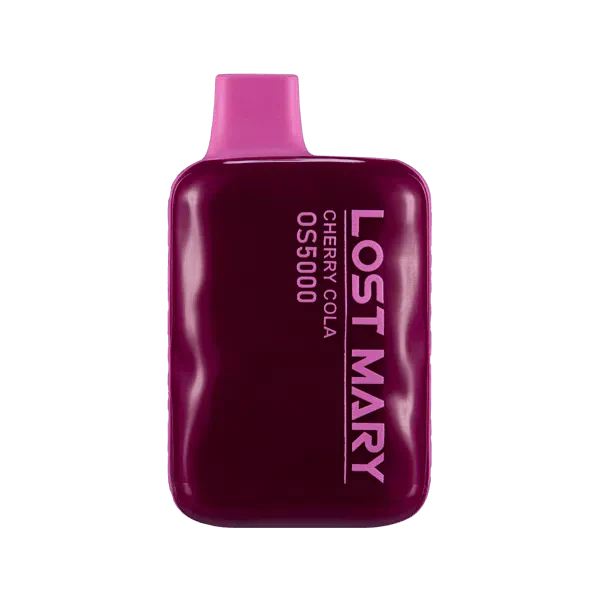
What Is The Environmental Impact of Disposing the Lost Mary OS5000?
Disposable vaping devices like the Lost Mary OS5000, renowned for delivering up to 5,000 puffs through its advanced mesh coil and 10mL e-liquid reservoir, offer unparalleled convenience but carry substantial environmental consequences upon disposal. These compact lithium-powered units, often discarded after brief lifespans, contribute to global waste streams burdened by non-biodegradable plastics, hazardous batteries, and chemical residues. This comprehensive examination traces the lifecycle burdens from raw material extraction to end-of-life processing, highlighting mitigation strategies and regulatory imperatives to foster more sustainable consumption patterns.
Lifecycle Analysis of Production and Resource Consumption
The journey of a single Lost Mary OS5000 begins with resource-intensive manufacturing, drawing on finite materials that strain ecosystems worldwide. Extracting lithium for its integrated 650mAh battery involves open-pit mining, which devastates landscapes and contaminates groundwater with toxic slurries, releasing an estimated 15 tons of CO2 equivalent per ton of lithium hydroxide. Plastics comprising the sleek, ergonomic body derive from petroleum refining, consuming 1.5-2 barrels of oil per kilogram and emitting volatile organic compounds during molding.
Assembly incorporates printed circuit boards etched with copper and gold, processes that generate acidic wastewater and energy demands equivalent to powering a household for two days per 1,000 units. The pre-filled e-liquid, blending propylene glycol, vegetable glycerin, nicotine salts, and flavorings, requires solvent distillation and synthetic chemistry, contributing micro-pollutants even before consumer use. Transportation across continents amplifies the carbon footprint, with ocean freight alone accounting for 10-15 percent of total emissions per device.
Battery Chemistry and Long-Term Pollution Hazards
At the core of environmental concern lies the lithium-polymer battery, a non-rechargeable powerhouse prone to leaching when discarded improperly. Cobalt and nickel cathodes, sourced from conflict-prone regions, persist in landfills for centuries, solubilizing into acidic leachates that elevate soil heavy metal concentrations by factors of 50-100 times background levels. Electrolyte solvents like ethylene carbonate degrade into persistent fluorinated compounds, mimicking PFAS in bioaccumulation potential.
Incineration without specialized controls volatilizes these metals, depositing them via atmospheric particulates that travel thousands of miles, infiltrating remote ecosystems. Studies indicate that unrecycled vape batteries contribute 5-7 percent of small-scale lithium waste in urban areas, exacerbating the global lithium ion imbalance projected to shortage by 2035.
E-Liquid Residues and Chemical Ecosystem Disruption
Residual e-liquid poses insidious risks, as unevaporated nicotine and flavor additives leach into soil and waterways. Nicotine ecotoxicity rivals heavy pesticides, with LD50 values inhibiting algal growth and disrupting aquatic invertebrate reproduction at parts-per-billion levels. Artificial sweeteners like sucralose evade wastewater treatment, persisting as micropollutants that alter microbial communities in rivers.
How to switch from an old one responsibly enters this narrative: consumers often overlook draining remnants before disposal, concentrating toxins in waste piles. Burnt coil residues gunked with caramelized organics further complicate remediation, as pyrolysis releases dioxins under suboptimal combustion.
Plastic Waste and Microplastic Proliferation
The OS5000's polycarbonate and ABS chassis fragments into microplastics during mechanical degradation, with studies recovering vape-derived particles in 80 percent of analyzed ocean sediments. These nanoplastics adsorb persistent organic pollutants, magnifying toxicity upon ingestion by marine organisms and biomagnifying through food webs to human plates.
Landfill compaction grinds devices into confetti-like debris, evading biodegradation for 400-500 years. Mechanical recycling recovers only 40-50 percent of plastics due to composite construction, leaving contaminants in downcycled products.
Greenhouse Gas Emissions Across the Supply Chain
Cradle-to-grave emissions for one OS5000 tally 8-12 kg CO2 equivalent, dwarfed by scale: billions of disposables equate to 20 million metric tons annually, rivaling small nations' outputs. Scope 3 emissions from consumer shipping and retail dominate, compounded by methane from anaerobic pod decomposition in dumps.
Energy recovery via waste-to-energy plants offsets 20-30 percent but emits nitrogen oxides, trading one pollutant for another.
Regulatory Landscape and Producer Responsibility Mandates
Global frameworks intensify scrutiny: the European Union's Waste Electrical and Electronic Equipment Directive classifies vapes as hazardous, mandating collection targets of 85 percent by 2026. U.S. initiatives like California's Responsible Battery Recycling Act impose deposit fees, while the UK's Vape Duty penalizes non-recyclable designs.
Lost Mary's parent company participates in voluntary programs, diverting 15 million units yearly, yet compliance gaps persist in unregulated markets.
Effective Disposal Practices for Harm Reduction
Optimal disposal commences with preparation: tape over charging ports and mouthpiece to prevent auto-activation, then submerge in soapy water to neutralize residues. Community drop-offs at electronics recyclers dismantle batteries via hydrometallurgy, reclaiming 92 percent of lithium and cobalt for reinsertion into supply chains.
Household hazardous waste facilities neutralize e-liquids, while mail-back envelopes from manufacturers streamline logistics. Avoid curbside bins as composites foul sorting lines, inflating municipal costs by 25 percent.
Recycling Technologies and Recovery Efficiencies
State-of-the-art facilities employ infrared sorting to segregate plastics, followed by solvent extraction for e-liquid decontamination. Pyrometallurgical smelting yields black mass for metal refinement, achieving 96 percent recovery rates. Emerging enzymatic breakdown targets VG/PG polymers, slashing landfill volumes by 70 percent in pilots.
Closed-loop initiatives repurpose chassis into new casings, conserving 5,000 kWh per ton recycled.
Sustainable Innovations and Market Alternatives
Industry pivots to modular rechargeables, slashing waste 75 percent via pod swaps. Biodegradable chassis from PLA starch dissolve in 180 days industrially, while solid-state batteries eliminate liquid electrolytes. Deposit-return schemes incentivize returns, boosting rates to 65 percent in Scandinavia.
Refillable stations reduce single-use demand by 40 percent where implemented.
Corporate Accountability and Consumer Advocacy
Manufacturers face pressure via lifecycle declarations, with ISO 14040 certifications verifying claims. Consumers amplify impact through petitions for extended producer responsibility, shifting costs upstream.
Conclusion
Disposing the Lost Mary OS5000 unveils a cascade of environmental insults from lithium leaching and microplastic blooms to emissions rivaling industrial sectors, underscoring disposables' hidden toll. Proactive draining, certified recycling, and advocacy for rechargeables transform individual choices into systemic change. By prioritizing verified disposal and embracing innovations, users mitigate legacies of convenience, paving pathways for vaping aligned with planetary health.