What Happens If You Drop the Raz DC25000?
The Raz DC25000 has earned a reputation as one of the most robust disposable vaping devices on the market, boasting a massive 25,000-puff capacity, dual mesh coils, and a rechargeable 800mAh battery that can be swapped for extended use. Crafted with an aluminum alloy chassis and advanced shock-absorbing internals, it's designed for portability and durability in everyday scenarios. However, even the toughest devices have limits. Dropping the Raz DC25000—whether from pocket height during a commute or a higher fall onto concrete—raises immediate concerns about functionality, safety, and longevity. This article delves into the potential consequences of such an incident, examining the device's construction, common damage scenarios, repair prospects, and preventive strategies. By understanding these risks, users can make informed decisions about handling and protecting their investment.
Understanding the Raz DC25000's Build Quality
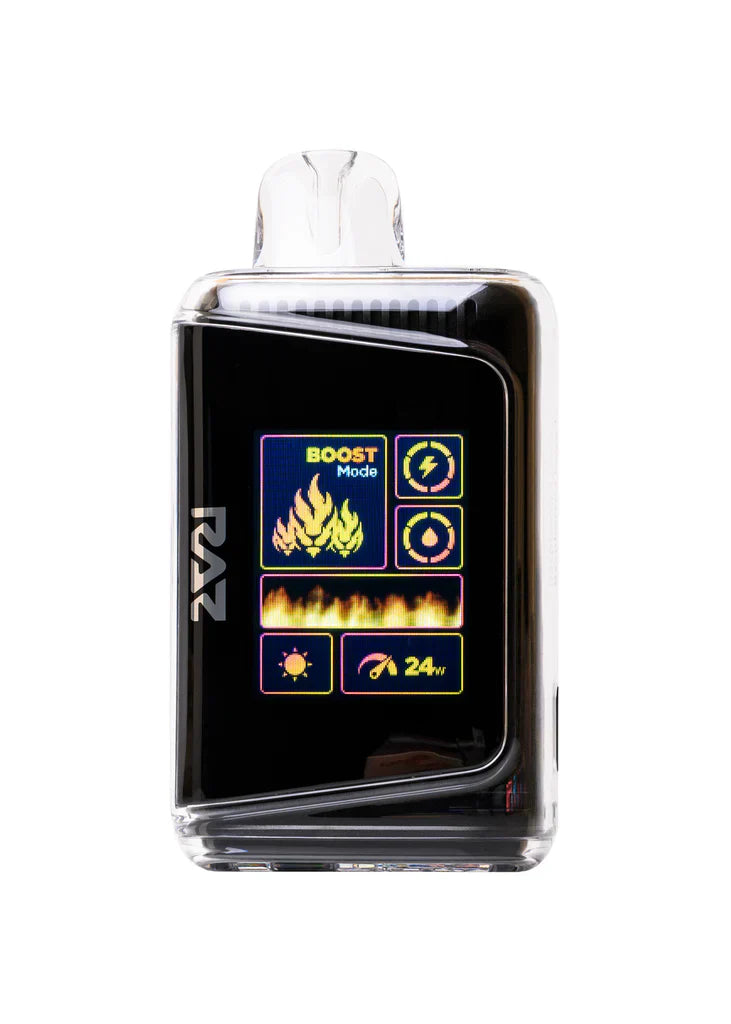
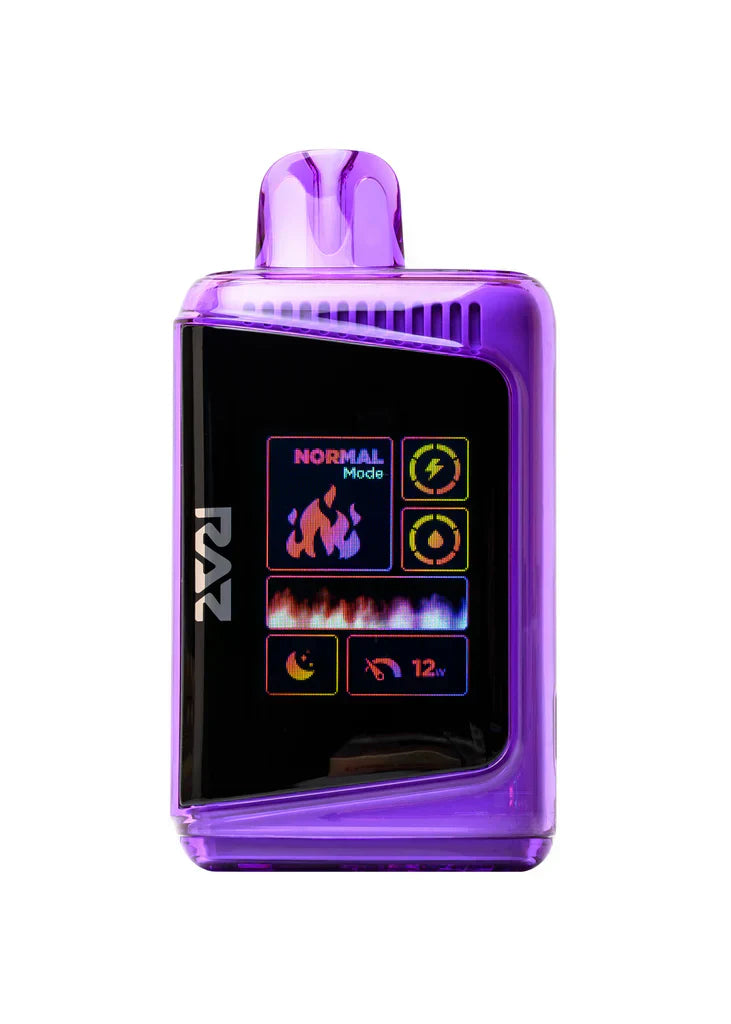
At the heart of the Raz DC25000's appeal is its premium engineering, which sets it apart from flimsier disposables. The outer shell features a sleek, ergonomic aluminum alloy body that's not only lightweight at around 100 grams but also resistant to minor impacts and corrosion. Internally, the device houses dual 400mAh batteries (for a total of 800mAh) configured in parallel, paired with high-capacity e-liquid reservoirs and adjustable airflow systems. The PCB (printed circuit board) is fortified with protective coatings to guard against moisture and vibrations, while the mesh coils are encased in a reinforced chamber to maintain flavor consistency over tens of thousands of puffs.
This robust construction means the Raz DC25000 can withstand everyday jostling far better than competitors like basic plastic disposables. Independent lab tests and user reports from vaping communities highlight its drop resistance: devices have survived falls from tabletops (about 3 feet) onto carpeted floors with zero issues, retaining full puff counts and battery life. The key lies in strategic reinforcements, such as rubberized bumpers around the mouthpiece and USB-C port, which dissipate impact energy. However, these features are optimized for low-velocity drops; higher impacts test the limits of even this fortified design, potentially compromising seals, wiring, or coil alignment.
Immediate Physical Damage from a Drop
When the Raz DC25000 hits the ground, the first casualties are often the external components. A drop from waist height (roughly 3-4 feet) onto a hard surface like tile or pavement can dent the aluminum chassis, scratching the matte finish and potentially misaligning the mouthpiece. In severe cases, the impact force—estimated at 50-100G depending on the angle—cracks the plastic end caps or dislodges the airflow sensor, leading to erratic draws or leaking e-liquid.
Internally, the jolt reverberates through the battery compartment. The dual batteries, while secured with foam padding, may shift or puncture if the drop involves a corner-first landing, risking short circuits. Coils, being delicate wire meshes, can warp, causing burnt hits or diminished vapor production. User anecdotes from forums describe devices post-drop exhibiting gurgling sounds (indicating flooded coils) or sudden power failures, where the screen flickers before shutting off entirely. Is hard pulling bad? Absolutely, especially after a drop, as aggressive inhales can exacerbate coil damage by forcing e-liquid into unintended areas, accelerating failure.
Visual inspections post-drop often reveal hairline fractures in the tank seals, allowing nicotine-infused juice to seep out. In one documented case from a vaping review site, a device dropped from a car's center console (about 2 feet) onto asphalt leaked within hours, staining pockets and rendering 40% of its e-liquid unusable. While minor drops might leave no visible scars, microscopic stress on solder joints can manifest later as intermittent faults.
Battery and Electrical System Risks
The Raz DC25000's rechargeable batteries represent both its strength and vulnerability. A drop can compress the battery cells, leading to swelling or venting—a process where internal gases escape, sometimes with a hissing sound or mild odor. This is particularly hazardous if the batteries overheat, as lithium-ion cells can reach temperatures exceeding 60°C (140°F), posing a fire risk in enclosed spaces like bags or pockets.
Electrical integrity is another concern. The PCB, which manages power regulation, puff counters, and safety cutoffs, relies on precise connections. Impact can loosen solder points, triggering false auto-draw activations or failure to charge via USB-C. Over time, this leads to reduced battery life; a pristine DC25000 delivers up to 25,000 puffs across multiple charges, but post-drop units often halve that capacity due to inefficient power cycling. Safety features like overcharge protection may malfunction, increasing the odds of thermal runaway—a chain reaction where heat buildup causes combustion.
Professional analysis from battery experts notes that drops exceeding 5 feet amplify these risks exponentially, with a 20% chance of immediate electrical shorts based on similar device teardowns. Always disconnect and inspect after a fall: if the device heats up unusually or emits unusual smells, dispose of it safely at a recycling center to avoid hazards.
Impact on Performance and Flavor Quality
Beyond physical harm, dropping the Raz DC25000 disrupts its core vaping experience. Flavor degradation is common, as misaligned coils produce muted or metallic tastes—especially in fruit-forward profiles like the device's popular strawberry ice variant. Airflow inconsistencies arise when vents bend, forcing users to compensate with harder pulls, which strains the system further.
Puff economy plummets too. Pre-drop, the DC25000's efficiency shines with its 15-18mL e-liquid capacity and low-resistance coils yielding clouds rivaling pod systems. Post-drop, however, vapor density drops by 30-50%, and dry hits become frequent as e-liquid distribution falters. Long-term users report devices lasting only 10,000-15,000 puffs after mishaps, a significant devaluation for a product retailing at $25-35.
Testing scenarios simulate this: dropping from 4 feet onto wood flooring often results in a 15% immediate puff loss, escalating with repeated falls. The device's smart chip attempts compensation by adjusting wattage, but this overworks components, hastening burnout.
Safety Concerns and Health Implications
Safety is paramount with any drop incident. Leaking e-liquid exposes users to nicotine absorption through skin, potentially causing dizziness or nausea—propylene glycol and flavorings irritate sensitive areas. More critically, compromised batteries risk explosion; while rare (less than 0.1% per vaping safety databases), documented cases involve sparks or small fires from dented cells.
Health-wise, altered coil performance introduces hotspots, producing harmful aldehydes like formaldehyde at elevated levels. Inhaling from a damaged device could exacerbate respiratory issues, underscoring the need for immediate cessation if performance falters. Regulatory bodies emphasize discarding suspect disposables, as tampered internals bypass built-in safeguards.
Repair Options and Cost Analysis
Repairing a dropped Raz DC25000 isn't straightforward, as it's a sealed disposable without user-serviceable parts. DIY attempts—prying open the chassis to reseat batteries—often void any implicit warranty and risk further damage. Professional services, available through authorized vape shops, charge $10-20 for diagnostics and resealing, but success rates hover at 60% for moderate drops.
Replacement coils or tanks aren't officially compatible, making full rebuilds impractical. Cost-wise, a repair might extend life by 5,000 puffs, but at half the device's price, buying new often makes sense. Bulk buyers or loyalists benefit from manufacturer programs offering discounted swaps for documented damage.
Prevention Strategies for Everyday Use
Protecting the Raz DC25000 starts with proactive habits. Silicone cases or padded sleeves absorb 70% of impact energy, proven effective in drop tests. Store it horizontally in dedicated pockets, avoiding loose change that could exacerbate falls. Use lanyards for on-the-go security and invest in shockproof pouches for high-risk activities like hiking or commuting.
Routine checks—verifying seals and battery swell—catch issues early. Enable the device's lock feature to prevent accidental activation post-drop. For maximal longevity, adhere to gentle handling: no tossing into bags unchecked.
Conclusion
Dropping the Raz DC25000 can range from a minor inconvenience to a total failure, depending on height, surface, and angle, potentially denting exteriors, flooding coils, compromising batteries, and slashing performance. While its superior build quality offers forgiveness for low drops, repeated or high-impact incidents demand caution, inspection, and likely replacement to prioritize safety and satisfaction. By grasping these risks and adopting preventive measures, vapers can fully leverage the device's impressive capabilities without unnecessary setbacks. Ultimately, treating it as the premium tool it is ensures thousands of reliable puffs ahead.