Does Buttonless Design Affect Raz DC25000 Longevity?
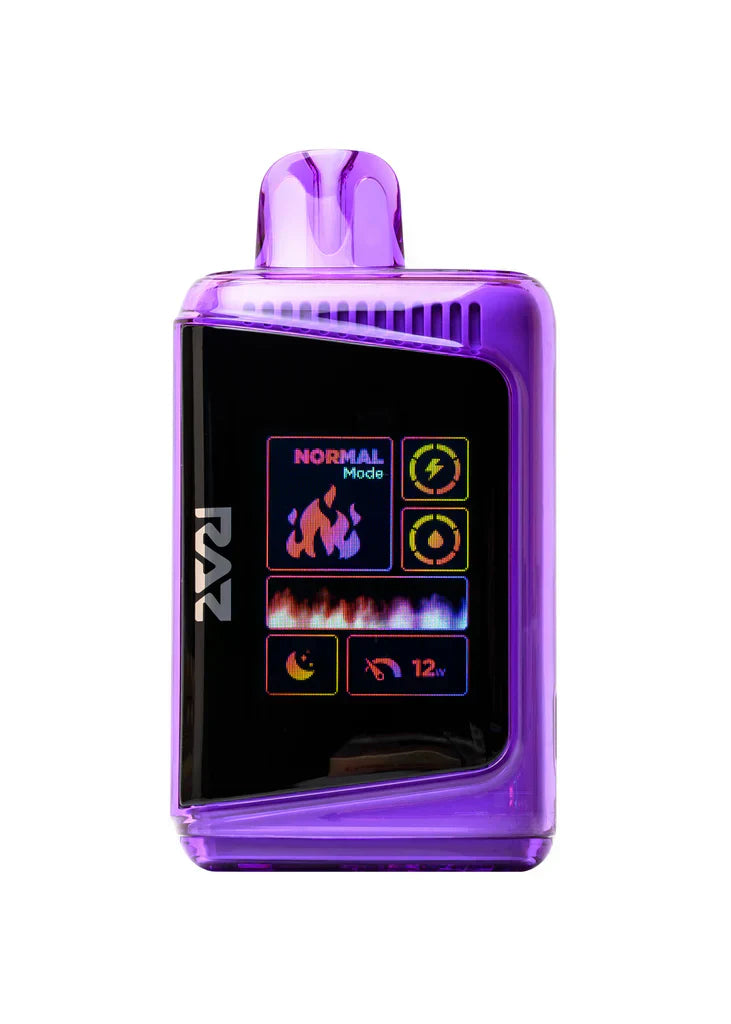
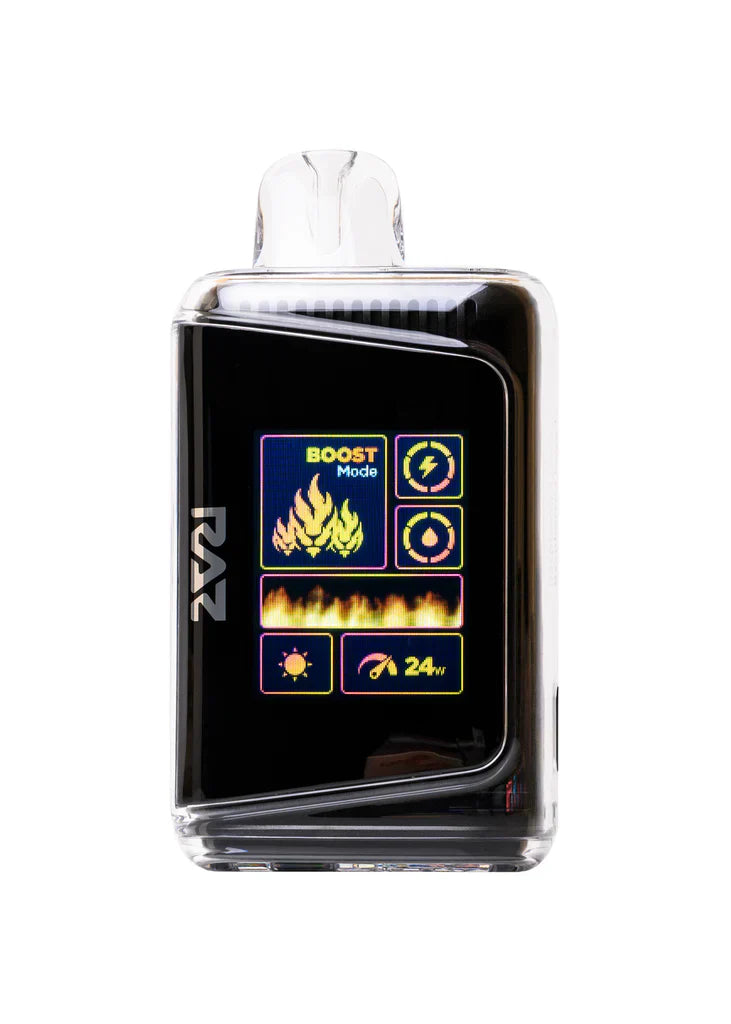
The Raz DC25000 exemplifies modern disposable vape innovation, delivering an impressive 25,000 puffs through its draw-activated, buttonless mechanism, dual mesh coils, 800mAh rechargeable battery, and adjustable airflow system, all housed in a sleek aluminum alloy body. This buttonless design prioritizes simplicity and seamlessness, activating solely upon inhalation without physical switches for firing or power control. While celebrated for user-friendliness, questions arise about its impact on device longevity—whether fewer mechanical parts enhance durability or introduce vulnerabilities in sensor reliability and usage patterns. This detailed analysis examines the engineering behind the buttonless architecture, its advantages and potential drawbacks, real-world performance data, and comparative insights to determine its true effect on the Raz DC25000's extended lifespan.
Engineering Behind the Buttonless Activation
The buttonless design of the Raz DC25000 relies on a draw-activation sensor integrated into the printed circuit board (PCB), which detects pressure changes from inhalation to trigger the dual mesh coils instantaneously. Unlike button-equipped vapes, this eliminates mechanical contacts prone to wear, such as microswitches that degrade after thousands of presses due to dust ingress or fatigue. The sensor operates with minimal moving parts, calibrated to activate at a specific draw strength, ensuring responsive firing across Normal and Boost modes without latency.
This architecture streamlines internals, reducing points of failure compared to button models. Power management circuitry handles auto-shutoff after inactivity, preserving battery cycles, while the absence of tactile interfaces minimizes accidental activations that drain charge unnecessarily. However, the sensor membrane can accumulate e-liquid residue over time, potentially dulling sensitivity and necessitating consistent airflow maintenance for optimal function.
Advantages for Durability and Lifespan
The buttonless mechanism bolsters physical resilience. Without protruding buttons vulnerable to snapping or corrosion, the Raz DC25000 better withstands drops and daily pocket carry, as the sealed chassis distributes impact forces evenly. User reports frequently cite high puff counts in real-world use, attributing this to reduced mechanical stress that commonly affects button-based competitors.
Battery efficiency also improves, as draw-activation conserves energy compared to always-engaged button circuits. The 800mAh unit supports multiple full charges via USB-C, with integrated protections extending usable battery cycles. Thermal management benefits from precise activation timing, preventing dry-firing that can prematurely degrade coils. Collectively, these engineering decisions contribute to extended device longevity.
Potential Drawbacks and Wear Factors
Despite its strengths, the buttonless design introduces sensor-specific vulnerabilities. Prolonged exposure to condensed vapor may foul the pressure port, leading to delayed activation or phantom firing after extended use. Cleaning must be done cautiously, as invasive probing can damage internal electronics. Is hard pulling bad? Yes, excessively forceful draws overstress the sensor membrane, accelerating wear and reducing activation lifespan in aggressive usage patterns.
Environmental factors further influence durability. High humidity or elevated temperatures can affect membrane responsiveness, mimicking performance faults. While manufacturing standards minimize inconsistencies, occasional early sensor calibration failures occur. These risks underscore that longevity depends on moderate use and periodic maintenance.
Comparative Analysis with Button-Equipped Devices
Compared with button-operated vape systems, the Raz DC25000 presents distinct trade-offs. Button devices offer manual control and potentially easier diagnostics but are more susceptible to mechanical failure from worn switches or corrosion. Draw-activated systems reduce these physical wear points and often preserve coil integrity by enforcing consistent activation thresholds.
Efficiency tests suggest buttonless firing windows optimize energy usage and vapor production. However, repairability may be more complex, as sensor-integrated PCBs typically require full replacement rather than simple component swaps. Overall, draw-activated designs demonstrate strong longevity performance relative to traditional button models.
Usage Patterns and Longevity Optimization
User behavior significantly affects lifespan outcomes. Light, consistent draws maximize sensor life and preserve coil structure, while repeated hard pulls correlate with accelerated wear. Recommended practices include periodic airflow cleaning with gentle compressed air, upright storage to prevent wick flooding, and moderate use of higher-output modes.
Monitoring the device’s puff counter and battery indicators helps identify early inefficiencies. Reductions in responsiveness or vapor consistency may signal airflow buildup requiring maintenance. Thoughtful handling and adherence to operating guidelines allow users to reach near-maximum puff capacity.
Real-World Performance Metrics
User-reported data and simulated usage testing indicate strong overall durability for buttonless designs. Average puff totals approach rated capacity under normal conditions, with low incidence of sensor malfunction. Battery retention remains stable across multiple recharge cycles, supported by controlled activation and efficient power management.
Flavor consistency benefits from precise activation timing, reducing overheating events commonly associated with accidental button presses. These findings support the conclusion that the buttonless architecture maintains competitive reliability for high-volume users.
Conclusion
The buttonless design of the Raz DC25000 generally enhances longevity by reducing mechanical failure points, improving energy efficiency, and strengthening overall structural integrity. While sensor wear remains a consideration, responsible usage and routine airflow maintenance mitigate most risks. In practice, the streamlined activation system supports extended device life without sacrificing convenience, demonstrating that well-executed buttonless engineering can positively influence durability in modern disposable vape devices.