Is Hard Pulling Bad for the Geek Bar Pulse?
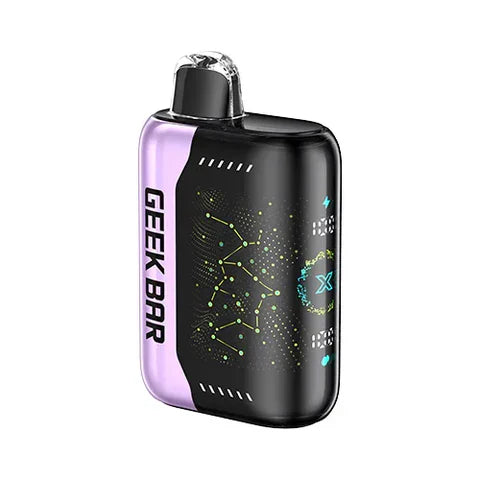
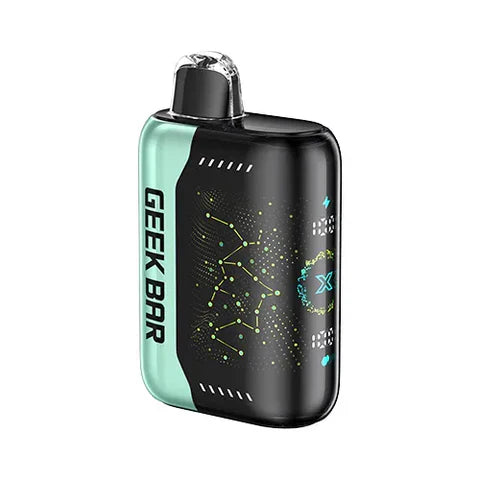
The Geek Bar Pulse is engineered with dual mesh coils, an adjustable airflow system, and a sensitive puff sensor designed to deliver smooth, consistent vapor with moderate inhalation. Hard pulling—forceful, rapid, or aggressive draws through the mouthpiece—violates the device’s intended operating parameters and triggers a cascade of performance issues. From overheating the coil to saturating the wicking material, straining the puff sensor, and accelerating battery drain, hard pulling compromises flavor, vapor quality, and device longevity. Understanding what gentle draws are essential reveals how user behavior directly impacts the device’s technical performance and lifespan.
Coil Overheating from Excessive Airflow Velocity
The dual mesh coils in the Geek Bar Pulse are calibrated to vaporize e-liquid at a specific rate matched to moderate airflow. Hard pulling forces air through the coil at high velocity, disrupting the heat dissipation balance. Instead of flowing smoothly around the mesh, air rushes past too quickly to carry vapor efficiently, causing heat to accumulate in localized areas. This creates hot spots that burn the wicking material and carbonize e-liquid on the coil surface, producing a sharp, burnt taste that persists even with fresh e-liquid.
Overheating from hard pulling also warps the mesh structure over time. The metal grid can develop micro-fractures that reduce vapor production efficiency and create inconsistent heating patterns. Users who frequently pull hard may notice their device losing vapor intensity and flavor clarity after just a few days, whereas moderate draws preserve coil integrity for the full expected duration. The coil’s thermal lifespan is shortened because excessive airflow velocity prevents proper heat exchange, forcing the battery to supply more power to maintain temperature.
E-Liquid Saturation and Flooding Problems
Moderate airflow allows the wicking material to draw e-liquid at a steady rate that matches vaporization. Hard pulling overwhelms this balance by forcing air through so quickly that e-liquid is drawn faster than it can be vaporized. The excess liquid accumulates in the airflow channel and mouthpiece, creating a flooded condition that produces gurgling sounds, watery vapor, and spit-back. This saturation dilutes flavor, creates an unpleasant mouthfeel, and introduces unwanted residues from internal components.
Flooding from hard pulling also increases the risk of e-liquid leaking into the battery compartment. When the wicking material is saturated beyond capacity, liquid can escape through seals and enter areas where it should not travel. This leakage causes corrosion and electrical failure that cannot be repaired. Users who frequently pull hard often notice moisture leaking from the charging port or mouthpiece, indicating that internal pressure and liquid balance have been disrupted. The device’s sealed design cannot contain liquid under the pressure created by aggressive draws.
Puff Sensor Strain and Activation Failure
The puff sensor in the Geek Bar Pulse detects airflow pressure changes to activate the coil. Hard pulling generates pressure spikes that exceed the sensor’s design tolerance, causing it to strain or become stuck in the activated position. When the sensor is forced open by excessive pressure, it may remain contacts even when no air is flowing, causing the device to fire continuously or hiss spontaneously. This wastes battery power and e-liquid while creating an unusable device that activates unpredictably.
Sensor strain from hard pulling is a mechanical failure that cannot be resolved by resetting the device. The sensor’s internal mechanism requires smooth, moderate pressure changes to function correctly, and rapid pressure spikes prevent proper registration. Users experiencing activation problems should reduce draw intensity before attempting troubleshooting. Persistent sensor issues after moderating pulls indicate that excessive pressure caused internal damage requiring device replacement. The sensor’s durability depends on consistent, gentle airflow rather than forceful draws.
Battery Drain and Power Efficiency Loss
Hard pulling forces the coil to work harder to vaporize the excess e-liquid drawn by aggressive airflow. This increased power demand drains the 700mAh battery faster than moderate draws, reducing total puffs per charge. Users who pull hard frequently need to recharge more often, which increases the total number of charge cycles and accelerates long-term battery degradation. The device’s power efficiency drops because excess energy is consumed by overheating rather than vapor production.
In addition to faster drain, hard pulling causes inconsistent power delivery. The puff sensor may struggle to detect airflow changes when pressure spikes occur, leading to delayed activation or sporadic firing. This inconsistency wastes battery power during idle periods and creates unpredictable performance. The 3D-curved display may show accurate battery percentages, but usable capacity shrinks because excess power is consumed by inefficient vaporization. Battery lifespan is shortened because hard pulling increases the stress on each charge cycle.
Flavor Degradation and Vapor Quality Decline
Optimal flavor in the Geek Bar Pulse depends on balanced airflow that vaporizes e-liquid at the correct temperature for extracting subtle notes. Hard pulling overheats the coil and saturates the wicking material, both of which degrade flavor quality. The burnt taste from overheating masks delicate flavor profiles, while flooding from saturation creates a watery, diluted mouthfeel. Users report sharp, scalding vapor instead of the cool, smooth vapor the device is designed to deliver.
Temperature shifts from hard pulling also reduce vapor density and consistency. Instead of dense, flavorful clouds, users get thin, inconsistent vapor that lacks the richness of properly aerated draws. Even high-quality e-liquid cannot perform well when pulled hard, as the coil cannot vaporize it at the correct temperature for optimal flavor extraction. The dual mesh coils produce rich flavor only when airflow is moderate and consistent, allowing even heating across the entire coil surface.
Environmental Factors and Draw Resistance Interaction
While hard pulling is the primary cause of performance issues, environmental conditions can also affect draw resistance and vapor production. Factors such as temperature and altitude's impact on the Geek Bar Pulse can influence airflow dynamics and e-liquid viscosity. At higher altitudes, lower air pressure reduces draw resistance, which may tempt users to pull harder than intended. However, this adaptive behavior still causes the same overheating and flooding problems as hard pulling at sea level. Understanding that environmental factors do not justify aggressive draws helps users maintain consistent technique regardless of conditions.
Users should adjust airflow settings to compensate for environmental changes rather than increasing pull intensity. A more open airflow ring at higher altitudes maintains smooth draw resistance without requiring forceful inhalation. This approach preserves coil health and flavor quality while adapting to external conditions. Recognizing that technique matters more than environment ensures consistent performance across different settings.
Proper Drawing Technique for Optimal Performance
Maintaining optimal Geek Bar Pulse performance requires gentle, steady draws that match the device’s calibrated airflow. Users should take slow inhales lasting 3–5 seconds, allowing the coil to vaporize e-liquid at the intended rate. The adjustable airflow ring should be set to a comfortable opening that provides smooth resistance without requiring force. Testing different settings helps find the optimal balance between vapor density and draw comfort.
Regularly checking for debris or residue around the mouthpiece ensures airflow remains unblocked. Users should avoid covering vents with fingers or clothing, which creates artificial restriction that encourages hard pulling. Understanding that gentle draws preserve coil integrity, prevent flooding, protect the puff sensor, and maintain battery efficiency helps users adopt consistent technique. The device delivers its best performance when operated within designed parameters.
Conclusion
Hard pulling damages the Geek Bar Pulse by overheating the dual mesh coils, flooding the wicking material, straining the puff sensor, accelerating battery drain, and degrading flavor and vapor quality. The device’s calibrated airflow system requires moderate, steady draws to function correctly, and forceful inhalation violates these parameters instantly and can cause permanent damage. Gentle draws preserve coil integrity, prevent saturation, protect sensor function, maintain battery efficiency, and deliver consistent, flavorful vapor throughout the device’s lifespan. Users should adopt slow, controlled inhalation techniques and adjust airflow settings rather than increasing pull intensity to ensure optimal performance.