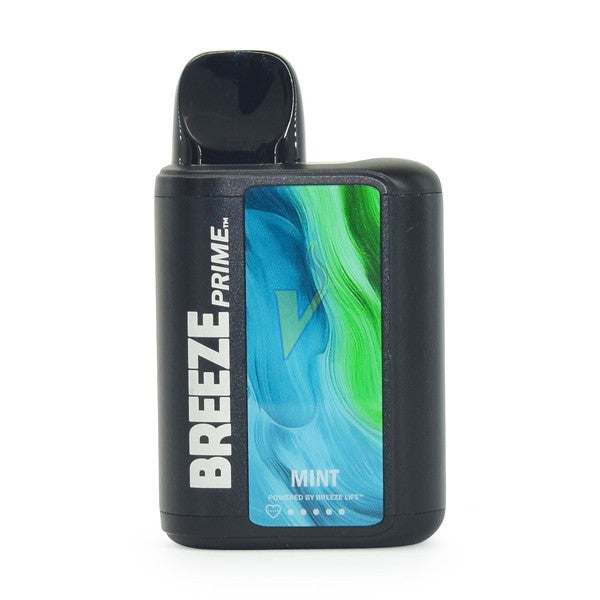
How to Maintain Consistent Vapor Output on the Breeze Prime?
Consistent vapor output on the Breeze Prime depends on treating the device as a system where battery, coil, wick, airflow, and user behavior interact predictably. Variability in any of those elements produces tangible differences in vapor density, flavor, and ramp-up time. The guidance below explains how each subsystem affects output and offers practical approaches to keep performance steady session after session.
Understanding how the system produces vapor
Vapor output is the result of controlled heat transfer: electrical energy from the battery is converted by the coil into thermal energy that vaporizes liquid drawn by capillary action through the wick. That chain—from stored chemical energy to vapor aerosol—has several potential points of variation. Battery voltage and internal resistance determine how much power reaches the coil. Coil condition and surface area determine how efficiently that power heats liquid. Wick condition controls liquid delivery to the coil, and airflow determines how vapor is entrained and carried to the mouthpiece. Any imbalance—lower battery voltage, fouled coil, degraded wick, restricted airway, or aggressive draw technique—changes the perceived output. Maintaining consistency requires attention to all links in that chain.
Battery care and charge management
A stable power source is the foundation of steady vapor. Batteries in compact devices are intentionally small, and their terminal voltage sags under high load and with age. Charge management habits that reduce stress—avoiding repeated deep discharges, not leaving the device constantly at full charge, and using appropriate chargers and cables—preserve lower internal resistance and more consistent voltage under load. When you notice that the device produces strong vapor immediately after charging but weakens rapidly, battery aging or voltage sag is the likely cause. Replacing the battery or the device at the appropriate lifecycle point restores consistent power delivery and eliminates one of the most common causes of output variability.
Coil condition and replacement cadence
The coil’s ability to heat uniformly directly shapes vapor quantity and quality. Over time, residue from e-liquids builds on the coil surface and insulates parts of it, reducing effective heating area and changing the coil’s thermal response. This produces thinner vapor and altered flavor. Regular replacement of coils or pods based on usage intensity prevents gradual decline. Rather than waiting for a pronounced taste change, set a replacement cadence aligned to your session frequency; heavy users will need more frequent changes. When installing a new coil, follow priming procedures to ensure full saturation before drawing, because an under-saturated coil produces lower vapor volume and inconsistent ramp-up.
Wick saturation and liquid management
The wick delivers liquid to the coil, and maintaining proper saturation is essential. Viscosity and PG/VG ratio of the e-liquid influence how quickly the wick can replenish during use. Thicker, high-VG blends flow slower and increase the risk of transient under-saturation during long draws, while thinner liquids can move too quickly and cause flooding. Choose liquids suited to the Breeze Prime’s wick design and maintain consistent selection rather than switching drastically. Proper priming of fresh pods and allowing brief pauses during extended sessions keeps the wick aligned with vaporization demand and prevents both dry hits and throttled output that users often interpret as inconsistent performance.
Airflow paths and mouthpiece hygiene
Airflow affects both the perceived density of vapor and how evenly the coil cools between draws. Blocked intakes, accumulated condensate, or a clogged mouthpiece change pressure dynamics and reduce effective output. Regularly inspect and gently clean accessible airflow paths and the mouthpiece with a lint-free cloth; avoid aggressive solvents that can damage seals. If the device offers adjustable airflow, tune it to match your draw style—more open airflow lowers coil temperature for longer, smoother clouds, while tighter airflow concentrates vapor but increases coil load. Consistent physical conditions in the airway support repeatable vapor production.
User technique and behavioral consistency
User habits are often the least considered variable but have outsized effects. Long, forceful draws increase instantaneous vaporization and can outpace the wick’s ability to supply liquid, producing temporary reductions in output or dry hits. Rapid consecutive draws without cooling intervals elevate average coil temperature and change how the coil behaves. Identifying and avoiding common user mistakes—such as skipping priming, taking very long puffs immediately after replacing a pod, or storing the device horizontally—reduces performance swings. Moderate draw lengths and short pauses during extended sessions keep the system within its designed operating envelope.
Maintenance routines and proactive inspection
A simple maintenance routine prevents many causes of inconsistent output. Periodically check pod seals and contacts for residue, ensure the charging port and cable are clean and undamaged, and replace pods or coils at the first sign of persistent decline. Keep a usage log for heavy users to establish how many sessions typically precede a drop in performance and use that data to schedule replacements proactively. Small, consistent maintenance actions reduce surprises and keep vapor output within expected tolerances.
Environmental factors and storage
Temperature and humidity influence both battery behavior and liquid viscosity. Cold environments increase internal resistance temporarily and reduce vapor production until the device warms; hot environments accelerate chemical aging and can worsen coil fouling rates. Store and charge the Breeze Prime in moderate ambient conditions and avoid leaving it in hot cars or damp pockets where condensate may form. Upright storage reduces the likelihood of liquid pooling away from the coil and prevents transient under-saturation when you next use the device.
Diagnostics and corrective steps
When inconsistency appears, narrow the cause by checking power, pod condition, wick saturation, and airflow in that order. Start with a fully charged device and a known good pod to separate battery issues from consumable or wick problems. If a fresh pod restores performance, the older pod was the culprit; if weaknesses persist with new consumables, investigate charging behavior or battery health. Documenting symptoms—reduced vapor density, slower ramp-up, altered flavor, or sputtering—helps match the problem to the corrective action and prevents unnecessary replacements.
Conclusion
Maintaining consistent vapor output on the Breeze Prime requires a systems approach that balances battery health, coil and wick condition, airflow integrity, and deliberate user behavior. Each element affects the others: stable power supports efficient heating, a clean coil ensures effective vaporization, and proper wicking prevents transient shortages that throttle output. Regular maintenance, matched e-liquid selection, measured draw technique, and environmental care form a cohesive routine that preserves uniform performance. This integrated strategy reduces both surprise variability and consumable costs, keeping sessions predictable and satisfying. Would you like a concise, printable checklist that maps symptoms to the most likely causes and immediate corrective actions?