How Temperature Impacts Raz DC25000 Battery Performance
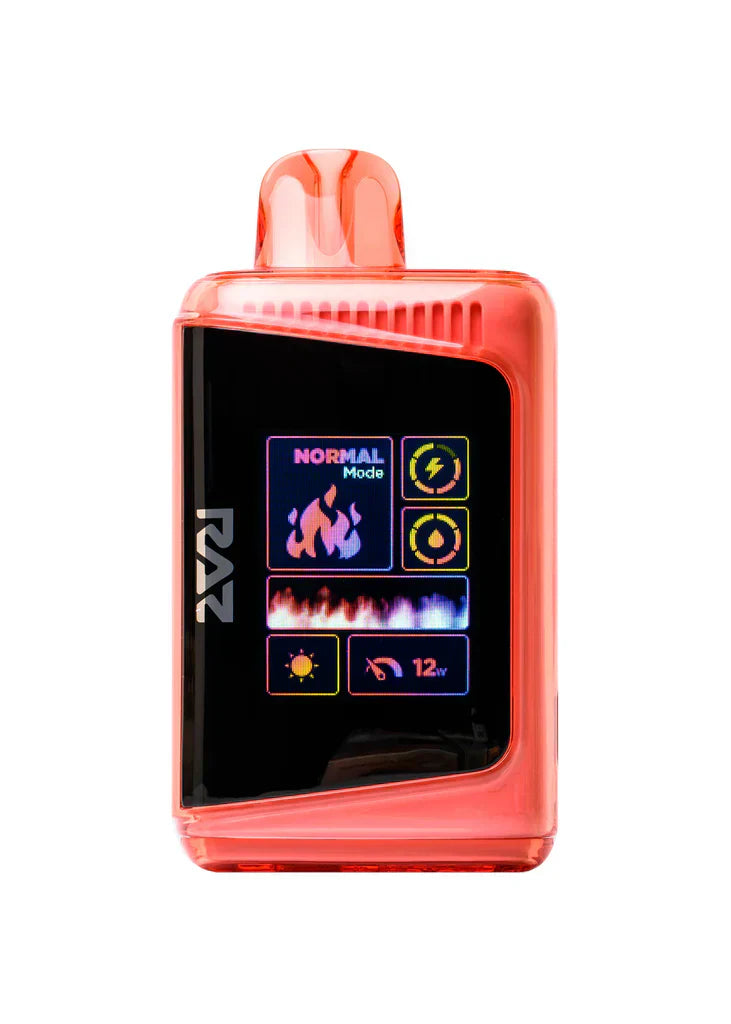
The performance of the Raz DC25000 is inextricably linked to the thermal environment in which it operates, as the lithium-ion battery at its core is highly sensitive to temperature fluctuations. Extreme heat and extreme cold both disrupt the electrochemical processes that generate power, but they do so in different ways that affect both the immediate usability and the long-term health of the device. Understanding these thermal dynamics is essential for maintaining optimal performance, ensuring safety, and extending the lifespan of the battery. The following sections detail how temperature influences the battery's internal resistance, voltage stability, and chemical degradation, providing a comprehensive guide to managing thermal risks.
The Electrochemical Response to Cold Temperatures
When the Raz DC25000 is exposed to low temperatures, the liquid electrolyte inside the battery cell becomes more viscous, much like motor oil thickens in winter. This increased viscosity impedes the flow of lithium ions between the anode and cathode, significantly increasing the internal resistance of the cell. As a result, the battery struggles to deliver the high current required to power the heating element. The device's power management system detects this inability to maintain voltage under load and often triggers a low-battery cutoff, even if the battery still contains stored chemical energy. This phenomenon explains why the device may appear to drain instantly or shut down unexpectedly in cold environments; the energy is present but inaccessible due to the slowed chemical kinetics.
The Dangers of Charging in Freezing Conditions
Charging a lithium-ion battery in freezing temperatures introduces a specific and severe risk known as lithium plating. When a battery is cold, the ions move too slowly to intercalate properly into the graphite anode. Instead, they may deposit as metallic lithium on the surface of the anode, creating permanent damage that reduces capacity and can create internal short circuits. This process is irreversible and poses a significant safety hazard, including the potential for thermal runaway. Therefore, it is critical to ensure the device is brought to a moderate temperature before attempting to charge it. If you are away from home and need to charge the device, ensure you use a safe power source; don't use public USB ports for charging as they may not provide the stable voltage needed for a cold battery, and the risk of data theft or power surges is particularly dangerous when the battery's internal chemistry is already compromised by low temperatures.
Thermal Stress and Heat-Induced Degradation
While cold slows down battery chemistry, heat accelerates it to the point of destructive breakdown. High temperatures increase the rate of parasitic chemical reactions within the cell, leading to the breakdown of the electrolyte and the formation of gas. This process, known as thermal aging, permanently reduces the total capacity of the battery, meaning it will hold less charge over time. The heat also weakens the separator material that keeps the anode and cathode apart, increasing the risk of internal short circuits. In the context of the DC25000, which generates its own heat during operation, exposure to external heat sources creates a compounding effect that can rapidly degrade the battery. Users should avoid leaving the device in hot cars or direct sunlight, where ambient temperatures can easily exceed the safe operating range for lithium-ion cells.
The Impact of Operation-Generated Heat
The Raz DC25000 generates significant internal heat during use due to the high-power demand of the heating element. This internal heat generation is normal, but when combined with high external temperatures, the total thermal load can exceed the battery's ability to dissipate energy. Excessive heat during operation can cause the battery's voltage to sag or the device to enter a thermal protection mode, shutting down to prevent damage. This thermal throttling is a safety mechanism that limits performance to protect the hardware. Users who experience frequent shutdowns or reduced vapor production in hot weather are likely witnessing this thermal stress in action. The device is designed to manage heat, but it is not immune to the laws of thermodynamics, and prolonged exposure to high temperatures will inevitably shorten the battery's lifespan.
Managing Temperature Extremes for Optimal Performance
To maintain peak performance, the device should be kept within a moderate temperature range, ideally between 20°C and 25°C (68°F and 77°F), which is the standard operating range for most lithium-ion batteries. In cold weather, keeping the device close to the body or in an insulated pocket can help maintain the electrolyte's fluidity and ensure consistent power delivery. In hot weather, avoiding direct sunlight and allowing the device to cool between sessions can prevent thermal runaway. It is also important to avoid rapid temperature changes, such as moving immediately from a freezing environment to a hot one, as this can cause condensation inside the device, which may lead to corrosion or short circuits. A gradual transition allows the internal components to stabilize without moisture damage.
Long-Term Storage and Thermal Considerations
How the device is stored during periods of inactivity also has a major impact on thermal management. Storing the battery at full charge in a hot environment accelerates chemical degradation, while storing it at a low charge in a cold environment risks deep discharge. The ideal storage condition involves keeping the device at a partial charge, around 50 percent, in a cool, dry place. This state minimizes the stress on the internal components regardless of minor temperature fluctuations. If the device is stored for an extended period, checking the charge level periodically and topping it up if necessary can prevent the battery from dropping below its safe voltage threshold. This proactive approach ensures that the battery remains healthy and ready for use when needed.
The Relationship Between Temperature and Battery Lifespan
Temperature is the single most significant factor influencing the lifespan of the Raz DC25000's battery. Every year the battery spends exposed to extreme temperatures, whether hot or cold, subtracts from its total usable cycle count. High temperatures accelerate the irreversible loss of capacity, while low temperatures can cause immediate performance failures that may be mistaken for permanent damage. Understanding this relationship helps users prioritize thermal management as a critical part of device maintenance. By avoiding extreme conditions and managing the device's temperature proactively, users can significantly extend the time the battery remains functional and reliable.
Conclusion
Temperature plays a decisive role in the performance, safety, and longevity of the Raz DC25000 battery. Cold weather impedes the internal flow of ions, causing voltage drops and premature shutdowns, while heat accelerates chemical degradation and increases the risk of thermal failure. The device operates best within a narrow thermal window, and deviations from this range can compromise both immediate usability and long-term health. By avoiding extreme temperatures, ensuring the device is warm before charging, and using safe power sources rather than public USB ports, users can protect their investment. Ultimately, managing the thermal environment is not just about convenience but about preserving the integrity of the battery chemistry and ensuring the device remains safe and functional for its full intended lifespan.