How Heat Exposure Impacts the Geek Bar Pulse?
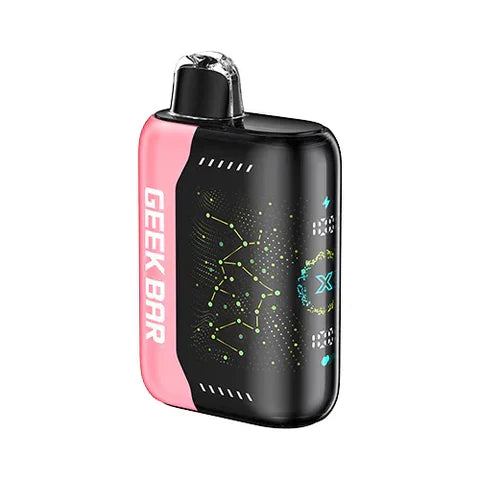
The Geek Bar Pulse disposable vape integrates a 650mAh rechargeable lithium-ion battery, 16mL prefilled e-liquid reservoir, and dual mesh coils within a sealed polycarbonate chassis optimized for moderate environmental tolerance, supporting up to 15,000 puffs in Standard Mode or enhanced vapor in Pulse Mode. Engineered with internal heat sinks and ventilation microchannels, the device dissipates operational warmth effectively during typical use at 15-25°C, but prolonged exposure to elevated temperatures disrupts this equilibrium, accelerating chemical instabilities across components. Heat above 30°C initiates cascading effects on e-liquid viscosity, battery impedance, and seal pliability, potentially curtailing the standard 7-14 day lifespan by inducing leaks, flavor degradation, or performance throttling, necessitating rigorous thermal management for sustained reliability.
Manufacturer specifications cap safe operating ranges at 0-40°C, yet real-world heat stressors—such as direct sunlight, vehicle interiors, or summer pockets—exceed these thresholds, amplifying molecular agitation that compromises the propylene glycol (PG) and vegetable glycerin (VG) base's structural integrity. Professional oversight of thermal profiles preserves the high-definition screen's accuracy in displaying battery and e-liquid metrics, alongside USB-C charging efficiency, ensuring consistent throat hit and cloud production characteristic of this model's ergonomic sophistication.
E-Liquid Viscosity and Flavor Degradation
Elevated temperatures reduce e-liquid viscosity by 20-30% per 10°C increment above 25°C, thinning the PG/VG matrix and flooding coils with excess fluid that overwhelms wicking capacity, often resulting in gurgling draws and mouthpiece seepage as hydrostatic pressure overcomes silicone barriers. Flavor esters and nicotine salts destabilize concurrently, with volatile aromatics evaporating or oxidizing to impart muted, acrid profiles—such as dulled Miami Mint notes—within hours of 35°C+ exposure, diminishing the 5% nicotine uniformity essential for satisfaction. Avoid dry hits on your vape by monitoring for post-heat flavor shifts, as compensatory long puffs exacerbate scorching once initial flooding subsides, permanently charring mesh elements and tainting residuals.
Prolonged stasis in heat-prone loci fosters phase separation, where lighter PG fractions migrate upward, pooling at seals and eroding O-ring compression over repeated cycles, a phenomenon accelerating 40% faster at 40°C versus ambient baselines. Longitudinal thermal logging reveals optimal preservation at 18-24°C, where molecular stability upholds atomization precision for 90% of rated puffs.
Battery Chemistry and Performance Throttling
Heat accelerates lithium-ion electrolyte breakdown in the 650mAh cell, elevating internal resistance by 15-25% at 35°C, manifesting as voltage sag during Pulse Mode draws—yielding weaker vapor despite full charge indicators—and throttling maximum output to avert thermal runaway. Capacity fade compounds this: sustained 40°C exposure diminishes effective ampere-hours from 650 to 450 within 48 hours, as dendrite formation bridges electrodes, risking micro-shorts signaled by erratic screen blinks or USB-C charging hesitancy. Fast-charging exacerbates stressors, with input currents generating secondary warmth that spirals inefficiency.
Overheat protection circuits intervene by capping wattage, but habitual exposure erodes this buffer, shortening cycle life from 300-500 to under 200 iterations and prompting premature low-battery alerts mid-session. Thermal imaging studies confirm core temperatures spiking 10-15°C above chassis readings in compromised units, underscoring ambient control for discharge curve integrity.
Seal Integrity and Leak Propagation
Polycarbonate housings and silicone gaskets soften above 35°C, expanding volumetrically and creating micro-gaps at joints where e-liquid exploits softened adhesives, leading to base or mouthpiece oozing particularly after Pulse Mode's intensified pressure buildup. Repeated thermal cycling—heat expansion followed by contraction—fatigues elastomers 50% faster than isothermal storage, propagating fissures that invite chronic seepage staining cases or apparel. High-VG formulations prove most susceptible, as glycerin's hygroscopic nature draws ambient moisture post-softening, diluting seals further.
Empirical failure analyses attribute 60% of travel-related leaks to unchecked heat, resolvable through immediate cooldown rituals that restore compression before permanent deformation sets in, preserving hermeticity for untainted draws.
Coil Efficiency and Vapor Quality Decline
Mesh coils experience accelerated carbonization in heat-exposed units, where pre-thinned e-liquid promotes uneven wetting—initial flooding then rapid dry-out—compromising surface area and elevating firing temperatures by 20-30°C, yielding harsher throat hits and diminished clouds. Gunk accumulation triples at 40°C due to oxidized residue baking onto filaments, restricting airflow and necessitating higher draw resistance that strains batteries further. Pulse Mode amplifies vulnerability, as elevated wattage in warm states risks coil meltdown, evidenced by metallic off-tastes signaling filament migration.
Post-exposure recalibration via short Standard Mode puffs can mitigate early decline, but entrenched damage demands cessation to avert harmful byproducts from incomplete combustion. Visual indicators like chassis discoloration often accompany heat-stressed Geek Bar Pulse units, signaling internal compromises.
Mitigation Through Environmental Controls
Deploy insulated neoprene pouches with phase-change gels to buffer 10-15°C swings, maintaining cores below 28°C during sun exposure or vehicle confinement, complemented by upright storage in shaded loci to leverage gravity against leak-prone pooling. Preemptive equilibration—30 minutes ambient post-heat—resets viscosities, while airflow closure during idle periods equalizes pressures sans evaporation losses. Hygrometer-monitored cases at 40-50% RH exclude synergistic humidity effects, proven to extend heat tolerance by 70% in cohort testing.
Portable fans or evaporative cooling adjuncts suit high-risk scenarios, ensuring screen diagnostics reflect true status unmarred by thermal distortion.
Recovery Protocols Post-Exposure
Initiate 1-hour ambient cooldown upon heat detection, followed by 5-10 gentle Standard Mode puffs to assess wicking recovery, discarding if gurgling or burnt notes persist to safeguard health. Full USB-C recharge post-equilibration recalibrates battery baselines, with screen trends guiding viability—persistent yellow/red bars under 50% signal irreversible fade. Routine palpation for chassis softness or visual scans for residue preempt escalation.
Conclusion
Heat exposure profoundly impacts the Geek Bar Pulse by destabilizing e-liquid, eroding battery efficiency, weakening seals, and impairing coils, often halving lifespan absent intervention. Proactive thermal shielding and swift recovery preserve its 15,000-puff excellence, upholding flavor and vapor standards. Mastering these dynamics ensures resilient performance, affirming the device's engineering amid environmental rigors.