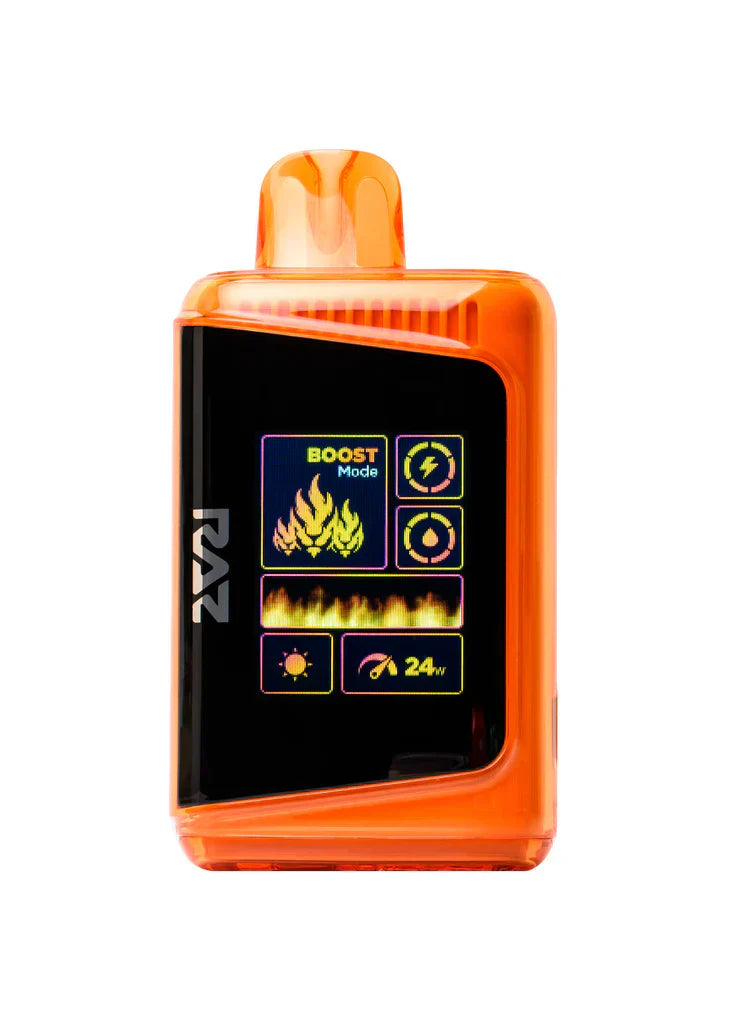
Why the Raz DC25000 Battery Drains Faster in Cold Weather?
The Raz DC25000 relies on a lithium-ion battery pack that is highly sensitive to temperature fluctuations, and cold weather specifically triggers a rapid decline in performance. Unlike mechanical components that might simply wear out, the battery's chemistry undergoes a physical slowdown when exposed to low temperatures, causing the voltage to drop and the device to perceive this as a depleted state even when energy remains stored. This phenomenon is not a defect but a fundamental characteristic of the electrochemical reactions that power modern electronics, and understanding the underlying mechanisms is essential for managing the device’s longevity and performance in winter conditions.
The Science of Lithium-Ion Chemistry in Cold Environments
Lithium-ion batteries generate power through the movement of ions between the anode and cathode through a liquid electrolyte. In cold weather, this electrolyte becomes more viscous and less conductive, effectively thickening like cold motor oil. This increase in viscosity slows the rate at which lithium ions can travel through the internal structure of the cell. As a result, the internal resistance of the battery increases significantly. When the internal resistance rises, the battery cannot deliver current as efficiently, leading to a drop in terminal voltage under load. The device's power management system interprets this voltage drop as a sign that the battery is empty, triggering a shutdown or displaying a low battery warning even though the chemical energy is still present within the cell.
Voltage Drop and the Device's Power Management Logic
The power management system in the DC25000 is designed to protect the battery from damage, but it operates based on the voltage present at the terminals rather than the actual chemical capacity remaining. When you use the device in freezing temperatures, the increased internal resistance causes the voltage to sag below the critical threshold required to operate the heating element. The system detects this sag and cuts off power to prevent irreversible chemical damage that could occur if the battery were forced to discharge further. This protective mechanism is why the device appears to drain faster; it is not losing energy faster, but rather the energy is becoming inaccessible to the circuitry. The battery is effectively "stuck" in a low-voltage state that the device cannot utilize until the temperature rises.
Thermal Stress and the Impact on Battery Health
The impact of cold weather extends beyond immediate performance loss to long-term health implications. Repeated exposure to freezing temperatures can cause permanent degradation of the battery's internal structure. The physical stress of the electrolyte expanding and contracting, or the electrodes cracking under thermal stress, can lead to a loss of capacity over time. This means that a battery that frequently experiences cold weather will not only drain faster in the moment but will also hold less total charge over its entire lifecycle compared to a battery kept at moderate temperatures. The degradation is cumulative, and each exposure to sub-zero temperatures contributes to a reduction in the total number of usable cycles the battery can support.
Strategies for Maintaining Battery Performance in Winter
To mitigate the effects of cold weather, preserving the thermal integrity of the device is the most effective strategy. Keeping the DC25000 close to your body heat, such as in an inner pocket or a heated pouch, can prevent the electrolyte from thickening and maintain the battery's internal resistance at a manageable level. Users should avoid exposing the device to direct cold air or storing it in external pockets where wind chill can rapidly lower the temperature. If the device does become cold, it should be allowed to warm up gradually to room temperature before attempting to charge or use it. Rapid heating methods, such as placing the device directly against a heater, can cause thermal shock and damage the battery, so a gradual approach is necessary to ensure safety and performance.
Charging Safety and Port Selection in Winter
Charging a battery that is frozen or significantly cold can be dangerous and inefficient. The internal resistance is too high to accept a charge effectively, and attempting to force energy into a cold cell can lead to plating or other forms of damage that permanently reduce capacity. It is crucial to ensure the device is at a safe temperature before connecting it to a power source. When charging in public spaces or crowded areas during winter, it is safer to bring your own power source. This is particularly important because don’t use public USB ports for charging as they may not provide the stable voltage required for a cold battery, and they pose a risk of security breaches or data theft that can be compounded by a compromised power management system. Using a personal, high-quality charger ensures a consistent power delivery that protects the battery from the risks of unstable voltage.
The Role of the Heating Element and Power Demand
The heating element within the DC25000 draws a significant amount of current, which exacerbates the voltage drop caused by cold weather. When the device is activated, the sudden demand for power to heat the coil creates a peak load on the battery. In cold conditions, the battery's inability to deliver this peak current results in a sharper voltage drop than would occur at room temperature. This means that the device may shut off during a single use session if the battery cannot sustain the required power output. The relationship between the heating element and the battery is critical; as the external temperature drops, the energy required to maintain the coil's temperature increases, but the battery's ability to supply that energy decreases, creating a供需 imbalance that leads to faster apparent drain.
Preventing Long-Term Degradation with Proper Storage
Proper storage practices are essential for preventing the long-term degradation associated with cold weather exposure. When the device is not in use, it should be stored in a temperature-controlled environment rather than in a garage, car, or basement where temperatures can fluctuate wildly. Storing the battery at a partial charge, rather than fully charged or fully depleted, is often recommended to reduce stress on the internal components. A partial charge state is more stable and less likely to suffer from the chemical changes that occur when a battery is left at extreme charge levels in cold environments. This practice helps maintain the chemical integrity of the electrolyte and the electrodes, ensuring that the battery remains healthy and capable of performing well even when the temperature drops.
Understanding the Limits of the Technology
It is important for users to recognize that the limitations of the Raz DC25000 in cold weather are inherent to the technology and not a flaw in the manufacturing. No lithium-ion battery can perform perfectly in freezing conditions without additional engineering such as thermal insulation or active heating elements, which are often cost-prohibitive for consumer devices. The user must accept that the device will behave differently in the cold and adjust their usage patterns accordingly. This might involve carrying a backup device, warming the device before use, or simply being aware that the battery life will be shorter than advertised during winter months. Accepting these limits helps users avoid frustration and ensures they use the device safely and effectively within the environmental constraints.
Conclusion
The Raz DC25000 battery drains faster in cold weather due to the fundamental limitations of lithium-ion chemistry, specifically the increased internal resistance and viscosity of the electrolyte that prevent efficient ion movement. This chemical slowdown forces the power management system to perceive the battery as depleted, leading to premature shutdowns and reduced effective capacity. The issue is compounded by the high power demand of the heating element, which exacerbates voltage sag under load. To mitigate these effects, users should prioritize keeping the device warm, avoiding charging when frozen, and using personal power sources to ensure stable voltage. By understanding that these performance drops are a result of physics rather than defect, users can better manage their expectations and prolong the lifespan of their device through careful thermal management and safe charging practices.