Why the Lost Mary MO5000 Gets Scratched Easily?
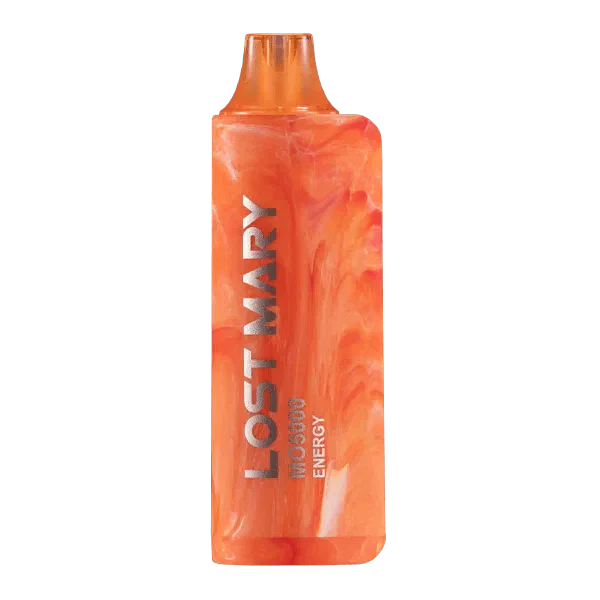
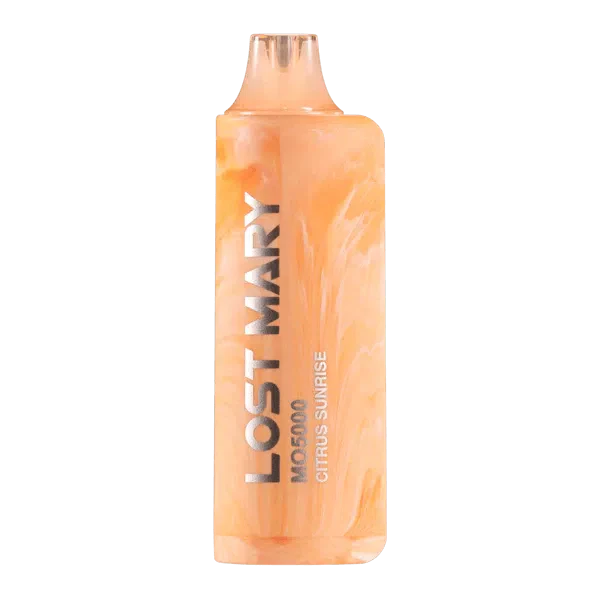
The Lost Mary MO5000 features a sleek, glossy finish that enhances its aesthetic appeal but contributes to its susceptibility to scratches during everyday handling. This surface treatment prioritizes visual smoothness and color vibrancy over extreme hardness, making minor surface marks common among active users. Understanding the material properties and usage factors reveals why scratches appear readily and how to minimize their impact on both appearance and functionality.
Surface Material Characteristics
The MO5000 employs high-gloss polycarbonate or similar plastic composites for its outer shell, chosen for lightweight durability and cost-effective manufacturing. These materials offer excellent impact resistance but rank lower on the hardness scale compared to metals or tempered glass. The glossy coating, applied for premium visual effect, measures thin microns in thickness, vulnerable to abrasion from everyday contact.
This finish reflects light beautifully when new, accentuating flavor label designs and ergonomic curves. However, the same smoothness that feels premium in hand reduces friction against rough fabrics, keys, or coins in pockets. Over time, micro-abrasions accumulate, transforming pristine surfaces into subtly marred ones without compromising structural integrity.
Pocket Carry and Friction Dynamics
Daily pocket storage exposes the MO5000 to constant rubbing against denim fibers, metal objects, and loose change. Rough pocket linings act like fine sandpaper, polishing away gloss layer by layer during movement. Keys or zippers create deeper gouges, while sand or grit from outdoor environments accelerates the process.
Unlike matte finishes that hide wear, glossy surfaces highlight every swirl and scratch under light. Users notice these marks within days of regular carry, especially in high-contact areas like the body sides and mouthpiece end. This interaction explains why pocket users see faster cosmetic degradation than case-protected ones.
Design Tradeoffs for Portability
The slim, rectangular form factor optimizes pocket fit but concentrates pressure on flat surfaces during compression. Curved edges receive less direct abrasion, while broad faces bear the brunt of sliding friction. Manufacturers balance aesthetics with ergonomics, accepting surface vulnerability as inherent to disposable vape portability.
Translucent panels revealing e-liquid levels add another glossy layer prone to fingerprints and smudges. These design choices prioritize user experience over indestructible exteriors, aligning with the device's expected lifespan. Scratches thus represent normal wear rather than defects in most cases.
Environmental and Handling Factors
Exposure to sandy beaches, dusty workshops, or urban grit multiplies scratch risks exponentially. Fine particles embed in cloth or skin, transferring directly to the device during handling. Humid environments soften the gloss coating slightly, making it more pliable and scratch-prone until dry.
Frequent removal from pockets or bags involves gripping and sliding motions that polish surfaces. Hot conditions expand materials differentially, creating micro-tensions relieved through surface checking. These cumulative exposures turn minor handling into visible wear patterns over weeks of use.
Impact on Performance and Longevity
Superficial scratches rarely affect internal functionality, preserving battery life, coil performance, and vapor quality. Deep gouges might compromise seals if they reach seams, but typical marks stay cosmetic. Users often mistake scratched appearance for overall decline, discarding viable devices prematurely.
Monitoring true functionality separates aesthetic issues from mechanical ones. Signs your vape is nearing the end include diminished vapor, burnt tastes, or firing failures, distinct from surface imperfections. Cosmetic wear signals usage history rather than operational failure in most scenarios.
Prevention Strategies for Glossy Finishes
Adopting a form-fitting silicone skin or hardshell case shields the MO5000 from direct contact entirely. Select cases with tactile grips to minimize sliding in pockets. Store alongside soft items like wallets, avoiding metal or abrasive companions that create point scratches.
Gentle handling reduces transfer of oils and particles during use. Designate a clean surface for device placement between puffs, preventing tabletop grit accumulation. These habits extend visual freshness far beyond unprotected carry durations.
Restoration and Maintenance Techniques
Microfiber polishing cloths remove light swirls without adding new marks, restoring minor haze. Specialized plastic polishes buff deeper scratches invisibly, though results vary by depth. Avoid household abrasives that worsen damage through uneven cutting.
Regular isopropyl alcohol wipes clean residues before they grind into surfaces. Applying thin protective films mimics case benefits without bulk. These methods rejuvenate appearance periodically, bridging cosmetic gaps until natural replacement.
Comparison to Alternative Finishes
Matte or rubberized coatings on competing devices hide scratches better but sacrifice color pop and smooth tactility. Metal casings offer superior hardness yet add weight and cost, clashing with disposable economics. The MO5000's gloss strikes a deliberate balance suiting its market positioning.
Users prioritizing pristine looks benefit from skins, while function-focused ones ignore surface evolution. This versatility accommodates diverse preferences without universal hardness compromises. Gloss remains the signature choice for visual appeal in daily carry.
Conclusion
The Lost Mary MO5000 gets scratched easily due to its glossy polycarbonate finish optimized for aesthetics over extreme hardness, combined with pocket carry friction and environmental exposures. While cosmetic, these marks reflect normal use rather than flaws, leaving performance intact until true wear indicators appear. Protective cases, careful handling, and occasional polishing minimize visibility, preserving the device's premium look throughout its reliable service life.