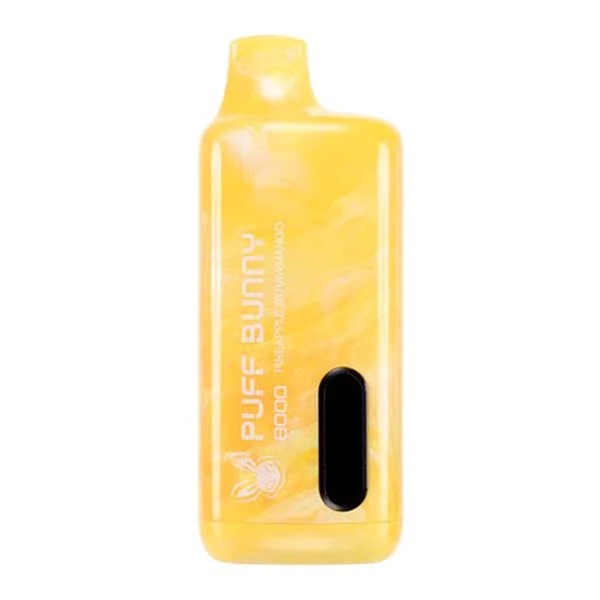

What To Do When Your Dummy Vapes 8000 Overheats While Charging?
Overheating during charging is a critical safety issue with the Dummy Vapes 8000 that requires immediate and methodical response to prevent battery damage, fire risks, or device failure. Common triggers include incompatible chargers, blocked ports, or prolonged charging sessions, but swift action following established protocols can mitigate harm and restore functionality in many cases. This article outlines a professional, step-by-step approach to handling overheating in your Dummy Vapes 8000 while charging, emphasizing safety and preventive insights.
Immediate Safety Measures Upon Detecting Overheat
The first priority when your Dummy Vapes 8000 overheats while charging is to disconnect it from the power source without delay to halt the flow of electricity that fuels the heat buildup. Gently remove the USB cable or adapter, avoiding any forceful yanking that could damage the port further, and place the device on a non-flammable, heat-resistant surface away from combustible materials. Never continue using or charging the device until it has fully cooled to room temperature, as handling a hot vape risks burns or exacerbates internal stress on the battery components.
During this cooling phase, which may take 15 to 30 minutes depending on the severity, monitor the device for additional warning signs such as unusual odors, hissing sounds, or visible swelling, all of which indicate potential battery compromise. Allowing natural airflow around the device in a cool, shaded area accelerates safe dissipation of heat without introducing external cooling methods like refrigeration, which could cause condensation and short circuits.
Inspecting the Device and Charging Accessories
Once the Dummy Vapes 8000 has cooled completely, conduct a thorough visual inspection of the charging port, cable, and adapter for signs of damage, such as bent pins, frayed wires, or debris accumulation that might have contributed to poor connectivity and overheating. Clean the port gently using compressed air or a soft brush to remove lint and dust, as blockages often force erratic power delivery leading to thermal issues, but avoid liquids or metal tools that could introduce conductivity risks.
Test the charging cable and adapter with another compatible device if available, or replace them with manufacturer-recommended alternatives rated for low-wattage output, as incompatible high-power chargers are a leading cause of overheating in disposables like the 8000 model. This step ensures that external factors are ruled out before resuming use, preserving the integrity of the internal battery management system.
Testing Safe Charging Resumption
After inspection, attempt to recharge the Dummy Vapes 8000 using a verified low-power USB source, such as a computer port rather than a wall adapter, and observe closely for any recurrence of heat within the first few minutes. Limit the initial charge to 10-15 minutes and monitor the device's LED indicators for normal operation, disconnecting promptly if the battery reaches full capacity to prevent overcharging cycles that compound heat problems.
If charging proceeds without excessive warmth—defined as comfortably warm to the touch rather than hot—gradually return to regular use while spacing out sessions to allow cooling. Persistent overheating post-inspection signals deeper issues like battery degradation, necessitating device retirement rather than continued risk.
Addressing Related Complications Like Leaks
Overheating can sometimes coincide with or precipitate battery or e-liquid containment failures, where understanding what to do if it starts to leak becomes essential for user safety. In such scenarios, isolate the device immediately in a sealed plastic bag, avoid skin contact with any fluid, and dispose of it at a certified e-waste facility without attempting repairs or further charging, as leaked electrolytes pose corrosion and fire hazards. Professional assessment from a vape service center is advisable only for non-leaking cases, underscoring the need for vigilance during post-overheat recovery.
Routine checks for subtle leaks, such as dampness around seams or unusual residue, prior to charging help preempt complications intertwined with overheating, ensuring comprehensive device health management.
Long-Term Prevention Strategies
To safeguard against future overheating incidents with the Dummy Vapes 8000, adopt habits like charging in moderate ambient temperatures away from direct sunlight or enclosed spaces, and never leave the device unattended during power sessions. Employ only original or equivalently specced accessories, and incorporate weekly port cleanings alongside battery level monitoring to catch inefficiencies early.
These proactive measures not only minimize recurrence but also extend the device's puff capacity and reliability, transforming occasional troubleshooting into sustained performance.
Conclusion
Responding effectively to overheating in your Dummy Vapes 8000 while charging involves prompt disconnection, meticulous inspection, cautious testing, and awareness of complications like leaks, all grounded in safety-first protocols that protect both user and device. By integrating these steps with preventive maintenance, such as proper accessory use and environmental controls, you can resolve most incidents without long-term consequences. Ultimately, this diligent approach ensures the Dummy Vapes 8000 delivers its promised longevity and enjoyment, free from the perils of unchecked thermal issues.