Signs the HQD Cuvie Plus 2.0 Is Nearing the End
One of the earliest indicators that the HQD Cuvie Plus 2.0 approaches its conclusion manifests through progressively weaker vapor output, transitioning from the device's signature thick clouds to thin, wispy emissions that fail to satisfy even moderate inhalations. Initially engineered for up to 9000 puffs from its 18mL pre-filled pod, the integrated mesh coil gradually accumulates residue from the propylene glycol and vegetable glycerin base, reducing heating efficiency and limiting aerosolization of the e-liquid. This decline becomes noticeable around the 7000-8000 puff mark, where draw length no longer yields proportional volume, often accompanied by a subtle hissing sound as air bypasses saturated wick sections. Users accustomed to the Cuvie Plus 2.0's mouth-to-lung delivery find this attenuation particularly jarring, as it disrupts the balanced throat hit calibrated for 5% nicotine salts. Environmental factors like high humidity exacerbate this by fostering condensation that further dilutes vapor density, while inconsistent storage accelerates wick clogging. Monitoring puff patterns reveals this sign's predictability: a 20-30% volume drop signals the pod's reserves dipping below critical thresholds, prompting timely transition planning to avoid abrupt interruptions in routines.
Flavor Profile Degradation
Flavor muting serves as a hallmark sign that the HQD Cuvie Plus 2.0 nears exhaustion, where vibrant profiles like Peach Gelato or Blue Razz Ice fade into generic sweetness or faint burnt undertones, betraying the precise compounding that defines its appeal. As e-liquid levels dwindle, the cotton wick struggles with saturation inconsistencies, leading to partial dry hits that scorch residual flavorings onto the coil and imprint a toasted harshness overriding original notes. This degradation accelerates post-6000 puffs, when heavier vegetable glycerin components stratify, starving upper wick zones and producing uneven taste delivery across draws. Vapers report top-end aromatics—citrus bursts or cooling menthol—evaporating first, leaving base sweetness that mimics staleness rather than depletion. Coil gunk from prolonged use compounds this, as caramelized sugars alter resistance and heat distribution, yielding muted clouds lacking complexity. Regular shaking redistributes remnants temporarily, but persistent dullness confirms the pod's finite capacity, underscoring the disposable's engineered lifespan limits.
Battery Performance Decline
Subtle battery faltering emerges as the HQD Cuvie Plus 2.0 winds down, with the 600mAh rechargeable cell exhibiting shortened runtime between charges and sluggish USB-C uptake, diverging from its initial 3000-puff endurance per cycle. Voltage sags become evident as the LCD screen flickers or lags in updating percentages, delivering underpowered hits that produce lukewarm vapor and diminished throat impact despite ample e-liquid. Cumulative charge-discharge cycles—often 10-15 by end-stage—degrade lithium-polymer chemistry, causing internal resistance spikes that manifest as intermittent power cuts mid-session. Should you let the battery fully drain? No, as pushing to 0% inflicts deep discharge stress, permanently reducing capacity and accelerating failure; proactive recharges at 20-30% preserve remaining cycles for consistent performance. Users notice charging times stretching from 20 minutes to over 40, coupled with warmth indicating thermal inefficiency, signaling the interplay between power reserves and coil demands nearing overload.
Increased Draw Resistance
Heightened draw resistance signals the HQD Cuvie Plus 2.0's impending end, as airflow paths narrow from e-liquid condensation or wick debris, demanding excessive suction to activate the draw sensor and straining the auto-draw mechanism. What begins as a firmer pull evolves into labored inhales around 8000 puffs, where vents clog with glycerin buildup, restricting oxygen mix and forcing hotter localized burns that degrade flavor further. This resistance mimics a near-empty tank, even if LCD readings contradict, often from pressure differentials post-heavy use that trap droplets in channels. The device's precision engineering falters here, as sensor sensitivity drops, leading to missed activations or stuttering vapor. Comparative diagnostics confirm 25-35% airflow reduction correlates directly with pod depletion, urging upright storage to mitigate gravitational pooling that worsens blockages.
Gurgling or Flooded Hits
Audible gurgling during draws indicates the HQD Cuvie Plus 2.0 enters terminal phase, where excess e-liquid floods the chimney from over-saturation or orientation mishandling, producing wet, bubbly vapor that spits residue and dilutes throat satisfaction. Nearing the final 1000 puffs, wick overload allows liquid bypass to the mouthpiece, triggered by thermal expansion or aggressive puffing that overwhelms capillary limits. This symptom pairs with inconsistent output—some hits robust, others sputtering—as remaining e-juice pools erratically. Flooding accelerates coil shorting risks, imprinting metallic notes, and demands gentle tapping to clear, though recurrence affirms depletion. Hygienic concerns rise with spillage potential, highlighting the disposable's non-serviceable design.
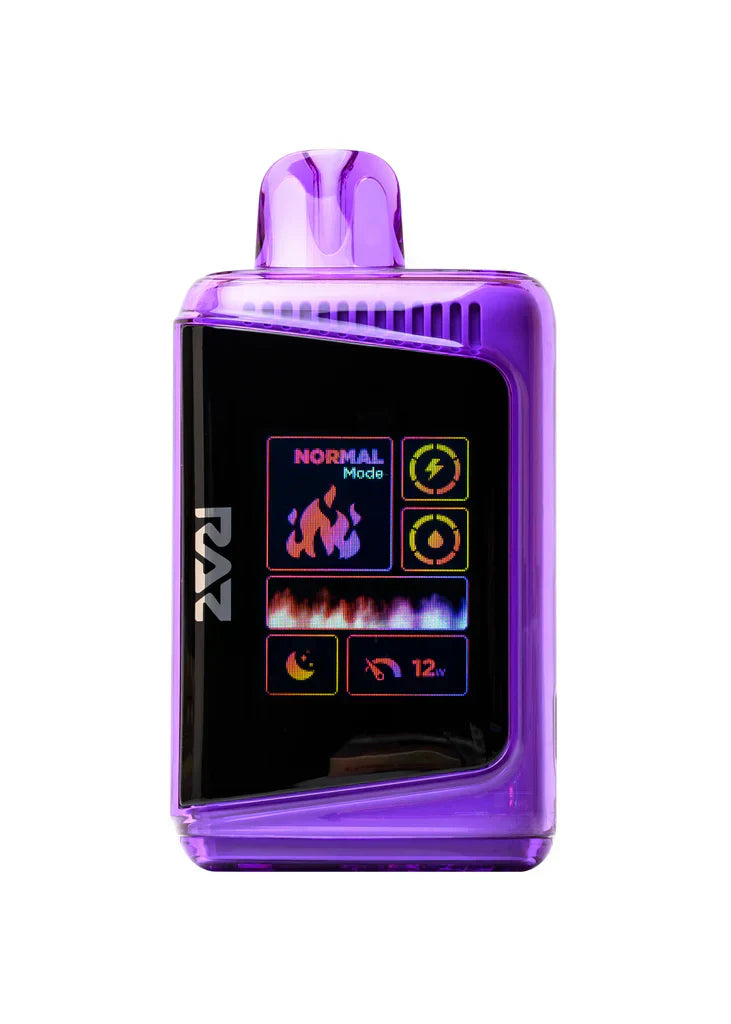
LCD Display Anomalies
Erratic LCD behavior on the HQD Cuvie Plus 2.0 foreshadows conclusion, with e-liquid or battery readouts freezing, inverting colors, or blanking intermittently, decoupling digital feedback from reality. Circuit strain from prolonged operation corrupts display drivers, especially under low power, yielding false security that leads to dry hits. Dimming persists even at full charge, from connection corrosion or thermal wear, eroding usability. Cross-verifying with physical signs becomes essential as screens lag, confirming end-stage through holistic cues.
Physical Wear Indicators
External cues like housing discoloration, mouthpiece softening, or seam weeping mark the HQD Cuvie Plus 2.0's fatigue, as plastic fatigues from handling and vapor exposure, compromising seals. Fading graphics or tacky textures signal material breakdown, often coinciding with internal woes. Port deformation from cable stress hinders recharges, amplifying decline.
Conclusion
Recognizing signs like vapor thinning, flavor fade, battery weakness, resistance spikes, gurgling, LCD glitches, and physical wear equips users to anticipate the HQD Cuvie Plus 2.0's end, maximizing its 9000-puff journey through informed monitoring. Proactive habits—avoiding full battery drains, upright storage, and early intervention—prolong viability, bridging to replacements seamlessly. Mastery of these harbingers ensures every session extracts optimal performance from this rechargeable powerhouse.