
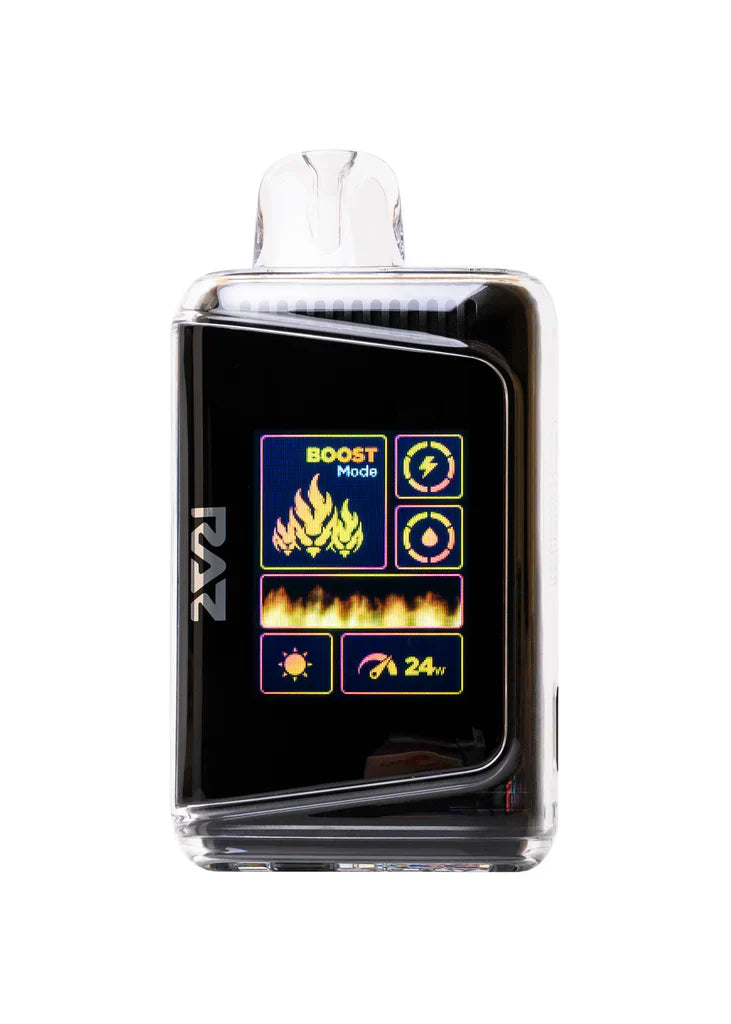
How to Store the Raz DC25000 to Preserve Flavor?
Proper storage begins with mastering temperature, the most critical factor in preserving the Raz DC25000's flavor integrity. The device's e-liquid reservoir, coils, and battery all react sensitively to thermal fluctuations. Maintain a consistent range of 18–24°C (64–75°F), mimicking room temperature in a controlled indoor environment. Extremes accelerate chemical degradation: temperatures above 30°C promote oxidation of flavor compounds, turning vibrant mango or strawberry notes dull and syrupy, while sub-10°C thickens the VG-PG blend, impeding wicking upon use and muting initial puffs.
Professional users often monitor conditions to ensure no spikes from radiators or direct sunlight. In warmer climates, air-conditioned spaces prove ideal; in cooler ones, avoid unheated garages where overnight drops congeal nicotine salts. Long-term tests reveal devices stored at stable 20°C retain significantly higher flavor potency after 30 days compared to those exposed to fluctuating 10–35°C cycles. Thermal sleeves or padded cases can buffer daily variances, extending the 25,000-puff lifespan with sustained taste quality.
Humidity Management to Prevent Residue Buildup
Humidity levels directly impact the Raz DC25000's internal seals and wick saturation, with 40–60% relative humidity as the ideal range. Excess moisture above 70% can foster condensation inside the reservoir, diluting e-liquid and washing out bold flavors like menthol or custard. Dry conditions under 30% may accelerate evaporation of volatile top notes, leaving a flatter base profile. Because propylene glycol is hygroscopic, it draws ambient moisture, amplifying these effects over time.
Store the device upright in breathable pouches with silica gel desiccants to stabilize humidity and prevent micro-leaks that deposit residue on coils. Avoid bathrooms or kitchens where steam spikes humidity levels. Controlled storage conditions help preserve aromatic complexity and prevent chemical breakdown of delicate flavor compounds.
Light Exposure and UV Protection Strategies
Ultraviolet light from sunlight or fluorescent sources can degrade the Raz DC25000's materials and catalyze photochemical reactions in e-liquid. Flavor molecules such as citrus-derived compounds are particularly vulnerable, breaking down under prolonged UV exposure and introducing rancid or sour undertones. Even indirect sunlight through windows can cause gradual degradation.
Opaque storage solutions such as dark drawers, metal tins, or UV-blocking sleeves effectively shield the device. Keeping it in enclosed spaces away from constant artificial lighting further reduces risk. Limiting UV exposure is essential for preserving the nuanced profiles that define premium flavor blends.
Positional Storage and Gravity Considerations
Device orientation influences e-liquid distribution within the Raz DC25000's large tank. Upright storage with the mouthpiece facing upward allows gravity to maintain even wick saturation, preventing pooling at the base that could starve upper coil sections. Storing the device on its side may cause uneven drainage, resulting in flooded or dry puffs and inconsistent flavor delivery.
Vertical storage in dedicated stands or padded compartments helps maintain balance within the reservoir. For portability, vertical holsters inside bags preserve orientation and reduce the likelihood of leakage or uneven coil priming.
Usage Intensity and Storage Suitability
Storage needs vary by vaping habits, intertwining preservation with consumption pace. Light vapers benefit most from meticulous routines, as infrequent use allows prolonged stable storage without rapid depletion stressing components. Heavy vapers cycle through devices faster, demanding quick-access storage that still prioritizes protection. Is it better for heavy or light vapers? The Raz DC25000's storage strategies favor light vapers, who stretch its capacity over months with minimal degradation, while heavy users must rotate stock diligently to sidestep cumulative flavor fade from frequent handling.
Heavy patterns heat the device internally, necessitating cool-down periods pre-storage to avert residual warmth degrading nearby units. Segregated bins for active versus reserve devices optimize this.
Battery Health During Prolonged Storage
The rechargeable battery performs best when stored at approximately 40–50% charge for extended periods. Storing at full charge may increase internal stress and gradually affect voltage stability, which can later influence coil performance and flavor consistency. A cool, dry environment away from conductive materials further reduces risk.
Periodic checks every one to two months, including brief activation to cycle the battery, help maintain readiness without significantly impacting e-liquid quality. Proper battery care supports long-term flavor stability by ensuring consistent power delivery.
Travel and Portable Storage Solutions
When transporting vaping devices, proper protection becomes essential to prevent mechanical disruption and environmental stress. Protective travel cases with foam inserts or molded compartments stabilize the device and minimize impact that could disturb the wick or internal liquid distribution. This is particularly important during transit where vibrations, pressure changes, or accidental drops could compromise the device’s internal structure and affect performance.
Temperature stability is equally critical during travel. Carrying the device in hand luggage keeps it within a relatively controlled cabin environment, avoiding the harsher temperature fluctuations often experienced in checked baggage compartments. During extended trips, periodically rotating between devices rather than leaving one unused for long periods can help maintain consistent liquid saturation in the wick, preserving flavor quality and ensuring reliable operation when the device is used again.
Advanced Preservation Techniques
For users seeking to maintain device quality over longer storage periods, more deliberate preservation methods can be beneficial. Oxygen exposure gradually contributes to the oxidation of e-liquids, which may alter flavor characteristics and reduce overall freshness. Storing devices inside airtight containers can slow this process by limiting the amount of oxygen that interacts with the liquid over time.
Environmental stability also plays a significant role in long-term preservation. Advanced users sometimes employ small temperature and humidity monitors in storage spaces to ensure conditions remain within safe thresholds. By maintaining consistent environmental parameters and limiting exposure to air and humidity, these more controlled storage practices help sustain flavor integrity and device performance for extended durations.
Conclusion
Optimal storage of the Raz DC25000 requires careful control of temperature, humidity, light exposure, positioning, and battery condition. By maintaining stable environmental conditions and aligning storage practices with usage intensity, users can significantly extend flavor longevity and overall device performance. Whether used occasionally or frequently, thoughtful preservation ensures each session delivers the intended vibrancy and consistency throughout the device’s lifespan.