How Moisture Exposure Affects The Lost Mary MO20000 Pro?
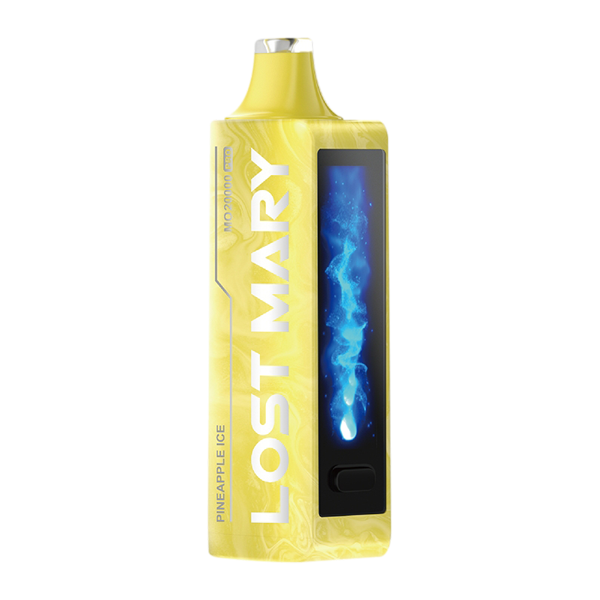
Moisture exposure is one of the most insidious threats to the performance and longevity of the Lost Mary MO20000 Pro, even though the device is built as a sealed, pocket-sized disposable vape. Because the MO20000 Pro integrates a high-capacity battery, a precisely engineered dual-mesh coil, and an advanced chipset with an HD screen, any intrusion of water or sustained humidity can trigger a cascade of functional and safety-related issues. Understanding how moisture interacts with the internal structure and electronics helps clarify why even seemingly minor exposure can quickly degrade the user experience and, in some cases, render the device unsafe to continue using.
How moisture enters the MO20000 Pro
Despite its compact, factory-sealed design, the Lost Mary MO20000 Pro is not fully waterproof, and moisture can penetrate through several subtle pathways. The primary entry points are the airflow channels, the mouthpiece, and the USB-C charging port, all of which are necessary for normal operation but inherently break the continuity of the housing. When the device is used outdoors in rain, near pools, or in environments with high humidity, condensation can form on the exterior and slowly wick into these openings, especially if the vape is stored in a damp bag or pocket. In more extreme cases—such as dropping the device into water or a drink—liquid can be drawn into the pod chamber by capillary action, soaking the coil and flooding the internal cavity.
Even brief immersion can allow enough moisture to reach the PCB and battery contacts, where it sets off a chain of chemical and electrical reactions that a disposable unit is not designed to withstand. Over time, repeated exposure to steam or humid environments—such as hot showers, steam rooms, or densely packed gym bags—can also contribute to moisture buildup inside the housing, even without full submersion. The combination of high puff count, small tolerances, and non-serviceable internals means that once moisture finds a path inward, the device has limited ability to recover on its own.
Short-term performance effects of moisture exposure
In the immediate aftermath of moisture exposure, users often notice distinct changes in how the Lost Mary MO20000 Pro behaves. The most common symptom is a gurgling or sputtering sound when drawing, accompanied by a wet, uneven draw or reduced vapor production. This occurs because water or highly saturated air mixes with the e-liquid in the coil chamber, disrupting the clean vaporization process and creating bubble-rich, inconsistent hits. The flavor may also become muted, washed-out, or slightly metallic, as free water dilutes the e-liquid blend and alters the vapor density.
Another immediate effect is erratic LED behavior or unresponsive power cycling. If moisture reaches the firing button or the PCB, it can create unintended conductivity across contact points, leading to flickering indicators, random power-on events, or failures to activate at all. In some cases, the device may fire intermittently—activating for a few puffs, then cutting out—because the moisture changes the electrical resistance of the circuit, tricking the chipset into interpreting partial shorts or grounding as faults. These short-term anomalies are not only annoying but also clear signs that the device is no longer operating in its intended environment, and they often precede more serious degradation if moisture is not addressed.
Long-term damage to internal components
If moisture remains inside the MO20000 Pro for an extended period, its effects become both structural and chemical. One of the most damaging processes is corrosion of the internal metal contacts, including those for the battery, coil assembly, and chipset. Water, especially if it contains dissolved minerals or contaminants, acts as an electrolyte that accelerates oxidation and galvanic corrosion across exposed conductive surfaces. As these contacts corrode, the resistance of the circuit increases, which reduces effective wattage output, weakens the coil’s ability to heat evenly, and can cause the device to underperform or shut down unexpectedly.
The dual-mesh coil is particularly vulnerable to moisture-related damage. A wet or partially flooded coil can experience uneven heating, leading to localized hot spots that burn the wick material and create a harsh, acrid taste. Over time, repeated exposure to moisture can cause the mesh structure to warp, delaminate, or partially disintegrate, which further degrades flavor and vapor density. Additionally, the e-liquid reservoir may develop a compromised seal if moisture repeatedly passes through the same channels, increasing the risk of leaks and secondary contamination of the PCB and battery compartment. In these conditions, the device’s ability to deliver a smooth 20,000-puff experience is severely compromised, and users may see a sharp decline in performance well before the advertised capacity is reached.
Impact on battery and safety considerations
One of the most critical concerns with moisture exposure is the effect on the MO20000 Pro’s lithium-ion battery and its associated safety circuitry. When water reaches the battery terminals or the surrounding conductive traces, it can create unintended current paths, increasing the risk of short circuits, overheating, or uncontrolled discharging. Even a small amount of residual moisture can lower the insulation resistance between closely spaced traces, prompting the device’s protection system to throttle output or enter a permanent lock-out state. In more severe cases, internal corrosion can weaken the bond between the battery and its leads, leading to unstable voltage delivery and potential thermal runaway under heavy load.
There are also long-term health-related concerns tied to moisture ingress. If the device is exposed to water or other liquids and then quickly dried externally, users may incorrectly assume it is safe to resume vaping. However, moisture trapped inside the pod or airflow channels can create an environment conducive to microbial growth, including mold and bacteria, which are then aerosolized during use. Chronic exposure to such contaminants is not only unpleasant but can pose respiratory risks, particularly for users with underlying sensitivities or allergies. Manufacturers of disposable vapes routinely advise against using a unit that has been immersed in liquid for any significant period, precisely because the hidden internal contamination and circuit degradation are difficult to assess visually.
Humidity, environment, and ambient conditions
Beyond direct liquid exposure, ambient humidity and environmental conditions also influence how moisture affects the Lost Mary MO20000 Pro. High-humidity environments—such as coastal areas, tropical climates, or indoor spaces with poor ventilation—can cause moisture to condense on the device’s exterior and gradually work its way into the airflow system. Over time, this can lead to a buildup of condensation inside the pod chamber, altering the consistency of the vapor and making the device feel “wetter” than usual, even if it has never been submerged. In extreme cases, high humidity can cause the puff counter or battery-level display on the HD screen to behave erratically, as the internal sensors and connections are affected by changes in local conductivity.
Conversely, very dry environments can interact with moisture-related issues in more subtle ways. Low humidity accelerates the drying of remaining condensation into salt-rich residues, which can remain on the coil and PCB after a moisture event. These residues increase electrical resistance and can seed further corrosion when the device is exposed to even small amounts of sweat, rain, or condensation later. Users who frequently move between contrasting climates—for instance, from hot, humid outdoors to air-conditioned indoor spaces—may experience repeated cycles of condensation and drying, which accelerate the wear and tear on the MO20000 Pro’s internal components. Why overuse shortens the lifespan becomes particularly evident in these conditions, as repeatedly stressing a device already compromised by moisture only hastens corrosion, coil failure, and battery degradation.
Behavioral patterns that increase moisture risk
User habits play a significant role in how often and how severely moisture exposure affects the Lost Mary MO20000 Pro. Carrying the device in pockets or bags alongside drinks, leaving it on bathroom counters near sinks or showers, or using it immediately after sweating heavily all increase the likelihood of water or sweat contacting the mouthpiece, airflow vents, or charging port. Additionally, chain-vaping in humid environments can cause the internal temperature to rise, creating a microclimate that encourages condensation when the device later cools, especially if it is stored in a damp enclosure.
Another common risk factor is attempting to “rescue” a device after a moisture incident by continuing to use it while expectantly waiting for internal condensation to evaporate. Because the MO20000 Pro is sealed and non-serviceable, there is no practical way for users to open and dry the internals safely, and continued use under these conditions can drive moisture deeper into the electronics rather than expelling it. In such cases, what might have started as a minor exposure gradually evolves into a serious compromise of the device’s integrity, often without the user realizing the full extent of the damage until performance deteriorates significantly or the device becomes completely unresponsive.
How to minimize moisture-related damage
Although the MO20000 Pro cannot be disassembled or internally dried, several precautions can reduce the risk and severity of moisture exposure. First, avoid using the device in or near water sources, such as rain showers, swimming pools, bathtubs, or saunas, and keep it away from spills or condensation-prone surfaces. Storing the vape in a protective sleeve or case with some degree of moisture resistance can further shield the airflow channels and mouthpiece from incidental contact with liquids or damp fabric. When the device is not in use, keeping it in a dry, temperature-stable environment—out of direct sunlight or extreme cold—helps prevent condensation and minimizes the stress on already-sensitive components.
If the MO20000 Pro does come into contact with water or a humid environment, the safest strategy is to discontinue use immediately and let it sit upright in a dry, well-ventilated area for several hours, avoiding any attempts to speed-dry it with heat sources such as hair dryers or direct sunlight. Continued vaping after a moisture event both masks the underlying damage and increases the risk of further internal corrosion or electrical faults. Regular visual inspections for wetness around the mouthpiece, unusual noises, or weak draws can help users decide when to retire the device rather than pushing it beyond its safe operational window. By treating moisture exposure as a meaningful degradation event rather than a minor inconvenience, users can better protect themselves and prolong the reliable service life of the Lost Mary MO20000 Pro.
Conclusion
Moisture exposure represents a multifaceted threat to the Lost Mary MO20000 Pro, affecting everything from the immediate draw quality to the long-term health of the battery and internal circuitry. Whether the source is direct immersion, condensation, or prolonged humidity, water and damp air can compromise the coil, corrode contacts, and destabilize the device’s electrical behavior, often without clear external warning signs. Because the vape is sealed and intended for limited-use scenarios, once moisture penetrates critical areas there are few options for meaningful recovery. Why overuse shortens the lifespan is especially relevant in this context: continuing to vape a moisture-affected MO20000 Pro accelerates internal degradation, magnifies safety risks, and ultimately converts what could have been a reliable, high-capacity device into a prematurely failing unit whose performance and safety cannot be trusted.