Environmental Impact of Disposing the Lost Mary Quasar OS25000
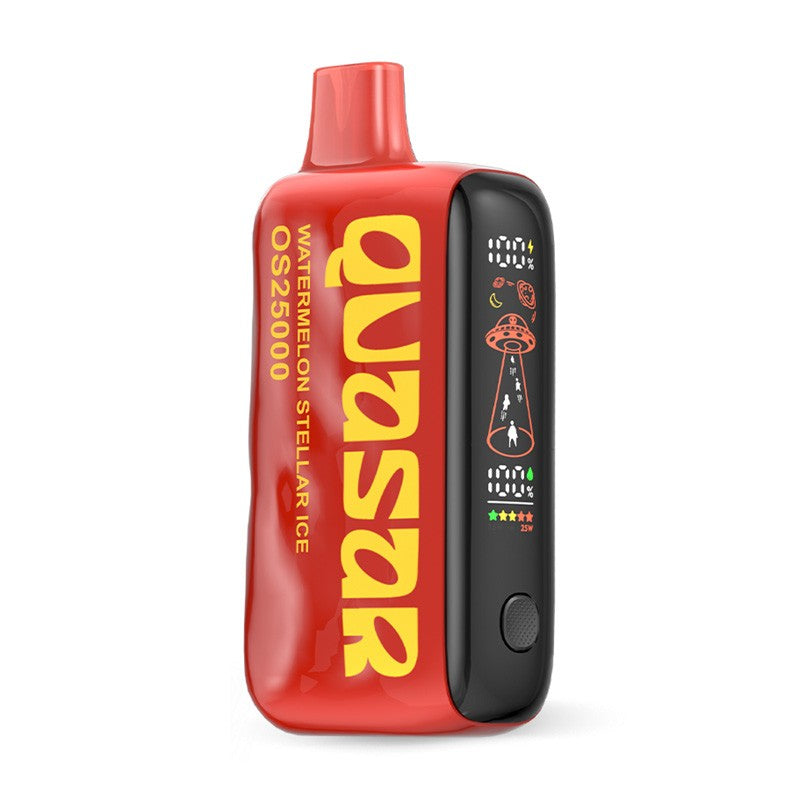
Disposable vapes like the Lost Mary Quasar OS25000, boasting 25,000 puffs from a 13.5mL e-liquid pod and 1,000mAh lithium-polymer battery, epitomize convenience but pose disposal challenges. With billions discarded annually, their lifecycle—from production to landfill—exacts ecological tolls on resources, emissions, and waste streams. This rigorous analysis dissects impacts across stages, evaluates mitigation via responsible practices, and proposes pathways to minimize harm while honoring performance like the QUAQ coil's efficiency.
Lifecycle Assessment from Production to Use
Manufacturing the Quasar consumes rare earths: neodymium in magnets, lithium carbonate for batteries, and plastics from petroleum feedstocks. Sourcing 13.5mL HiPM e-liquid involves propylene glycol distillation and nicotine extraction, emitting 5-10 kg CO2 equivalents per unit per lifecycle studies. Assembly in high-volume facilities amplifies water use for coil etching.
Usage phase adds indirect footprints: electricity for pass-through charging and transport emissions. End-of-life dominates impact, as improper dumps leach toxins.
Battery Disposal and Lithium Pollution Risks
The 1,000mAh lithium-polymer battery harbors cobalt, nickel, and lithium—metals mined with deforestation and water contamination. Landfill leaching solubilizes electrolytes, acidifying soils and poisoning aquifers with PFAS from casings.
Incineration volatilizes metals, depositing particulates via stack emissions. Recycling recovers 95 percent lithium via hydrometallurgy, slashing virgin demand 70 percent per EPA models. Quasar batteries withstand 300 cycles before degradation.
E-Liquid Pod and Chemical Leaching Concerns
Post-depletion, residual nicotine salts (up to 5 percent) and flavorants persist in the pod. Why does it taste burnt nearing end? Scorched cotton residues concentrate toxins, amplifying leachate potency in dumps.
PG/VG biodegrades slowly anaerobically, fostering methane in landfills. Heavy metals from coils migrate, bioaccumulating in food chains. Pod plastics—PET and ABS—fragment into microplastics, ingested by marine life.
Plastic Components and Microplastic Generation
Ergonomic chassis and mouthpiece shed microplastics via wear, entering wastewater during cleaning. Landfills entomb non-recyclable composites, persisting centuries. Pyrolysis recycling converts plastics to fuel oil, capturing 80 percent mass.
Carbon Footprint of Improper Disposal
Virgin production emits 15-20 kg CO2e per Quasar; landfill methane equivalents double this over 100 years. Incineration without energy recovery wastes 90 percent potential BTUs. Scope 3 emissions from shipping amplify for global users.
Regulatory Frameworks and Compliance Standards
EU's Single-Use Plastics Directive mandates producer responsibility, fining non-compliant disposals. U.S. states enforce battery stewardship; California's SB 1005 requires vape take-backs. Lost Mary's ELF Bar parent integrates recycling via PODs programs, diverting 20 million units yearly.
TPD limits exacerbate disposals by capping refillables.
Best Practices for Responsible Disposal
Tape ports/mouthpieces, store in cool fire-safe containers. Locate certified e-waste centers via Earth911—vape shops often host bins. Mail-back kits from Call2Recycle process lithium safely nationwide.
Drain residuals pre-drop-off, neutralizing with vinegar. Avoid curbside recycling; composites contaminate streams.
Recycling Processes and Material Recovery Rates
Facilities dismantle: shredding separates plastics (60 percent recovery), pyrometallurgy extracts metals (90 percent for copper). E-liquid incinerates for energy. Closed-loop programs repurpose recovered PET into new casings, cutting emissions 50 percent.
Lithium refines to battery-grade salts.
Sustainable Alternatives and Industry Shifts
Rechargeables like Elf Bar 5000V2 reduce waste 80 percent via swaps. Biodegradable pods emerge, though scalability lags. Refill stations cut single-use demand.
Lost Mary pilots modular designs for partial recycling.
Innovations Reducing Future Impacts
Biobased plastics from PLA dissolve 90 percent in industrials. Solid-state batteries eliminate electrolytes. Take-back incentives boost rates to 70 percent.
Consumer Role in Mitigation Strategies
Track puffs digitally, retire at 25,000 proactively. Advocate corporate EPR. Bulk buys minimize packaging.
Conclusion
Disposing the Lost Mary Quasar OS25000 underscores disposable vapes' paradox: vaping pleasure at nature's expense through lithium leaching, microplastics, and emissions. Burnt tastes signal endpoints amplifying toxicity, demanding vigilant recycling over landfills. By embracing certified disposal, supporting innovations, and shifting to rechargeables, users mitigate footprints—transforming individual actions into collective stewardship for vaping's sustainable evolution.