Does Shaking the Geek Bar Pulse Help or Harm It?
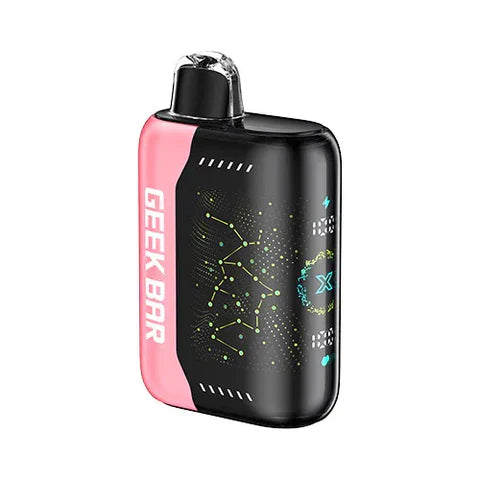
The Geek Bar Pulse contains a sealed e-liquid reservoir, dual mesh coils, and a rechargeable lithium-ion battery within a compact housing designed for consistent vapor production. Users sometimes shake the device attempting to redistribute e-liquid, clear perceived blockages, or revive weak performance, yet this practice carries significant risks that often outweigh any temporary benefits. Shaking introduces mechanical stress to internal components, can force e-liquid into unintended areas, and may compromise the seals that maintain the device's integrity. Understanding when shaking might provide minor assistance versus when it causes genuine harm enables users to make informed decisions about device maintenance.
How Shaking Can Temporarily Redistribute E-Liquid
In limited circumstances, gentle shaking may help redistribute e-liquid that has settled away from the coil after extended periods of non-use. When the device sits upright for days without activation, the e-liquid can pool at the bottom of the reservoir, leaving the coil partially dry. A soft, controlled shake—just a few gentle movements—can move liquid back toward the wicking area and restore initial vapor production. This effect is temporary and addresses only the immediate symptom of a dry coil, not the underlying cause of liquid settlement.
The benefit of this redistribution is short-lived because the liquid will settle again without continued use. Users who rely on shaking to maintain performance rather than using the device regularly miss the opportunity to consume e-liquid naturally through normal activation. The dual mesh coils in the Geek Bar Pulse are designed to draw e-liquid through gravity and capillary action during regular use, making shaking unnecessary for most users who maintain consistent usage patterns. When shaking provides noticeable improvement, it typically indicates the device has been stored improperly or unused for an extended period.
Mechanical Stress that Damages Internal Seals and Components
The primary harm from shaking stems from mechanical stress applied to the device's internal seals and component mounts. The Geek Bar Pulse is manufactured as a sealed unit with adhesives and pressure-fit connections holding the battery, coil, and e-liquid reservoir together. Vigorous or repeated shaking generates impact forces that can weaken these connections, stretch seals, or create micro-fractures in the housing. Once seals are compromised, the device loses its ability to contain e-liquid properly, leading to persistent leakage problems that cannot be repaired.
Internal components beyond the reservoir can also suffer from shaking damage. The coil may separate from its mounting points, the battery connection can become loose, or the puff sensor mechanism may become misaligned. These mechanical failures reduce vapor production efficiency and create inconsistent performance that worsens over time. The harm is cumulative—each shake adds stress that gradually degrades the device's structural integrity, eventually resulting in failure that appears unrelated to the shaking but was actually caused by it.
E-Liquid Displacement into the Battery Compartment
Shaking generates momentum that can force e-liquid out of its intended reservoir and into areas where it should never travel, particularly the battery compartment. The Geek Bar Pulse stores e-liquid in a chamber separated from the battery by seals designed to prevent cross-contamination during normal use. However, the directional forces created by vigorous shaking can overcome these seals' holding capacity, pushing liquid through microscopic gaps or around seal edges. Once e-liquid enters the battery compartment, it creates corrosion risks and electrical failure.
E-liquid in the battery compartment corrodes metal contacts, interferes with the battery's connection to the device's circuitry, and can cause short circuits that prevent proper firing. Even if the device continues functioning temporarily, accumulated liquid degrades performance and may cause sudden failure. Users who shake their device frequently often notice e-liquid leaking from the charging port or sensor opening, indicating that internal displacement has occurred. This type of damage is irreversible because the sealed housing prevents access to the battery compartment for cleaning.
Puff Sensor Misalignment and Activation Problems
The puff sensor in the Geek Bar Pulse is a small mechanical component that responds to air pressure changes during inhalation. Shaking can misalign this sensor or cause it to become stuck in the activated position, creating continuous firing problems. When the sensor is forced out of alignment, it may remain contacts even when no air pressure is applied, causing the device to hiss or fire spontaneously. This wastes battery power and e-liquid while creating an unusable device that activates unpredictably.
Sensor misalignment from shaking is a mechanical failure that cannot be corrected through software resetting. Users who experience spontaneous activation after shaking often attempt to fix the problem by blowing into the mouthpiece or tapping the device, but these actions frequently cause additional damage. The sensor's delicate internal mechanism requires precise positioning to function correctly, and the impact forces from shaking exceed the tolerance for positional variation. Once misaligned, the sensor requires device replacement rather than repair.
Battery Connection Damage and Electrical Failure
The lithium-ion battery in the Geek Bar Pulse connects to the device's circuitry through pressure-fit contacts that must remain secure for proper operation. Shaking generates impact forces that can loosen these connections, creating intermittent electrical contact that manifests as unpredictable firing, incorrect battery percentage displays, or sudden power loss. The battery itself can also suffer internal damage from repeated impacts, potentially compromising its structural integrity and reducing capacity.
Electrical failure from loose battery connections often appears as gradual degradation rather than sudden failure. The device may work normally initially but begin showing problems after multiple shakes accumulate damage. Users might experience the device firing weakly, displaying incorrect battery levels, or shutting off unexpectedly during use. These problems worsen over time as the connection becomes increasingly loose, eventually resulting in complete failure where the device no longer powers on. Battery connection damage from shaking is irreversible without accessing internal components, which requires destroying the sealed housing.
When Gentle Movement Differs from Harmful Shaking
Not all movement of the device causes damage, and distinguishing between gentle handling and harmful shaking is important for proper use. Light handling—such as picking up the device, moving it from one location to another, or adjusting grip during use—does not generate sufficient force to damage internal components. The key difference is intensity and directionality: gentle movement involves controlled, minimal force without abrupt directional changes, while harmful shaking involves vigorous, rapid movements with significant impact forces.
Small adjustments like tilting the device slightly to check e-liquid levels or rotating it to access the airflow ring are safe when performed smoothly and without force. These actions do not create the momentum or impact that damages seals, sensors, or battery connections. Users should avoid any movement that feels forceful or generates audible internal rattling, as these indicate impact forces that exceed the device's design tolerances. Understanding that careful handling is safe while vigorous shaking is harmful helps users maintain the device without unnecessary restrictions on normal movement.
Proper Maintenance Practices That Avoid Shaking
Instead of shaking to address perceived performance issues, users should employ safe maintenance practices that do not introduce mechanical stress. If e-liquid has settled after extended storage, using the device normally for several puffs will naturally redistribute liquid through activation and gravity. Checking the battery level on the display and verifying airflow settings provides operational information without risking internal damage. For devices showing weak performance, adjusting the airflow ring to a more open setting may improve vapor production without any physical manipulation.
For devices that have been stored improperly, proper storage becomes critical to preventing settlement problems. Storing the device upright in a cool, dry place maintains e-liquid positioning and minimizes the need for redistribution. These practices align with best storage tips for lithium-ion devices and help ensure the battery remains functional while keeping e-liquid in its intended reservoir. Understanding that maintenance should never involve forceful shaking protects the device from mechanical damage while addressing performance concerns through appropriate methods.
Conclusion
Shaking the Geek Bar Pulse harms the device far more often than it helps, causing mechanical stress to internal seals, e-liquid displacement into the battery compartment, puff sensor misalignment, and battery connection damage. While gentle movement for normal handling is safe, vigorous shaking generates impact forces that exceed design tolerances and create irreversible damage. The temporary benefit of redistributing settled e-liquid through gentle shaking is outweighed by the cumulative harm to seals, sensors, and electrical connections.
Proper maintenance addresses performance issues through normal use, airflow adjustment, and appropriate storage rather than physical manipulation. Users should avoid shaking entirely and instead rely on the device's designed gravity-fed e-liquid delivery system. Recognizing that shaking causes permanent, irreversible damage helps users understand why this practice must be avoided. The Geek Bar Pulse's advanced features function reliably only when internal components remain intact and properly positioned, and shaking fundamentally compromises both integrity and positioning.