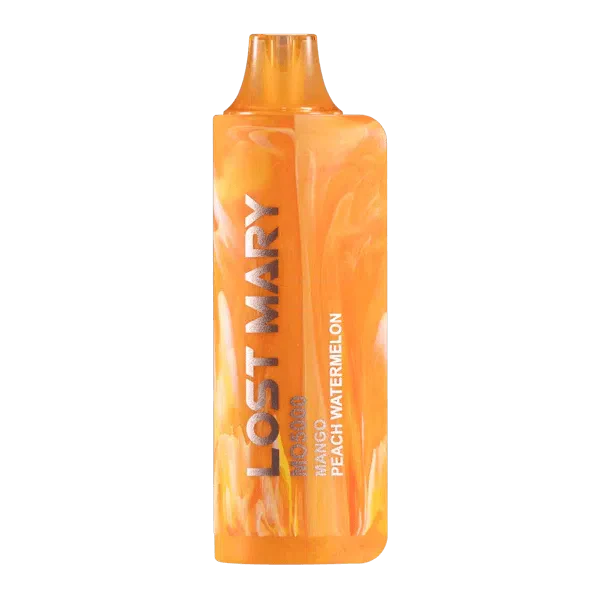
Does Frequent Short Charging Harm the Lost Mary MO5000?
Frequent short charging involves topping up the Lost Mary MO5000 battery with brief sessions rather than waiting for a full charge cycle each time. This practice raises questions about potential harm to the lithium-ion battery, but in reality, it aligns well with modern battery chemistry preferences. Short charges reduce deep cycling stress and help maintain optimal performance without significant downsides for this compact vape device.
Lithium-Ion Battery Response to Short Charges
Lithium-ion batteries in devices like the MO5000 thrive on shallow discharge and charge cycles. Unlike older battery types, they experience less electrode wear when not pushed to full extremes. Frequent short charges keep the cells operating in a moderate voltage range, which minimizes chemical degradation and heat buildup over time.
Research into lithium-ion behavior shows that partial charges actually preserve cycle life better than infrequent full charges. For the MO5000, this means the battery can handle numerous top-ups without accelerated aging. Users who charge briefly during the day often report more consistent power delivery compared to those relying on longer sessions.
Benefits of Frequent Top-Ups
Short charging sessions prevent the battery from reaching critically low levels, avoiding the strain of deep discharges. This practice supports steadier voltage output, leading to reliable vaping performance throughout the day. It also reduces the time spent at high charge states, which can otherwise contribute to gradual capacity fade.
Convenience plays a key role too. Brief charges fit easily into daily routines, ensuring the device stays powered without interruption. Over the MO5000's lifespan, this habit can translate into better overall efficiency, as the battery avoids unnecessary stress from prolonged low-power operation.
Potential Drawbacks Examined
Some worry that frequent plugging in might increase internal resistance or cause micro-stresses. However, built-in battery management systems in the MO5000 handle these transitions smoothly, preventing any meaningful harm. The protection circuitry monitors current flow and cuts off when appropriate, safeguarding against issues like overcurrent.
Another concern involves charger wear, but quality USB-C cables designed for low-amperage devices experience minimal degradation from short sessions. As long as connections remain clean and secure, frequent short charges pose no notable risk to the hardware or battery integrity.
Comparison to Full Charge Cycles
Full charges push the battery to maximum voltage, which accelerates side reactions within the cells. Short charges bypass this by stopping at partial capacity, preserving electrolyte stability. For daily users, accumulating many shallow cycles proves gentler than fewer deep ones, extending usable life before performance noticeably declines.
In testing scenarios with similar lithium-ion devices, short-charge routines often yield higher total capacity retention after hundreds of cycles. Applied to the MO5000, this suggests frequent top-ups support longevity rather than harm it, especially given the device's designed-for-convenience profile.
Real-World Usage Patterns
Most MO5000 users engage in intermittent vaping, making short charges a natural fit. Topping up during breaks keeps the device ready without the wait for complete cycles. This mirrors smartphone habits, where frequent partial charges have become standard without compromising battery health.
Practical advice includes monitoring the LED indicator to gauge charge level intuitively. If you travel often with the device, learn to carry it safely in a dedicated case to protect ports from dust and impacts. Clean connections ensure efficient short charges every time.
Optimizing Short Charging Practices
Use a reliable 5V/1A charger to match the MO5000's requirements, avoiding high-wattage adapters that generate excess heat. Short sessions of 10-20 minutes suffice for usable top-ups, depending on current depletion. Disconnect promptly once the indicator signals sufficient charge to minimize idle time on the cable.
Combine this with moderate usage to maximize benefits. Avoid chain vaping right after charging, allowing components to stabilize. These habits ensure short charging enhances rather than detracts from battery performance in everyday scenarios.
Long-Term Battery Health Considerations
Over the MO5000's expected lifespan, frequent short charges contribute to even degradation rather than sudden drops. The battery maintains higher average capacity, delaying the need for replacement. Environmental factors like temperature still influence health, but charging pattern remains a controllable variable.
Regular inspection of the device helps catch any irregularities early. If short charges ever seem less effective, it may signal port debris rather than battery issues. Proper maintenance keeps the practice effective indefinitely.
Conclusion
Frequent short charging does not harm the Lost Mary MO5000; instead, it benefits the lithium-ion battery by favoring shallow cycles over stressful deep ones. This approach delivers reliable performance, fits daily routines, and preserves capacity longer than infrequent full charges. By using quality accessories, monitoring indicators, and handling the device carefully, users can confidently adopt short charging for optimal results and extended device satisfaction.