
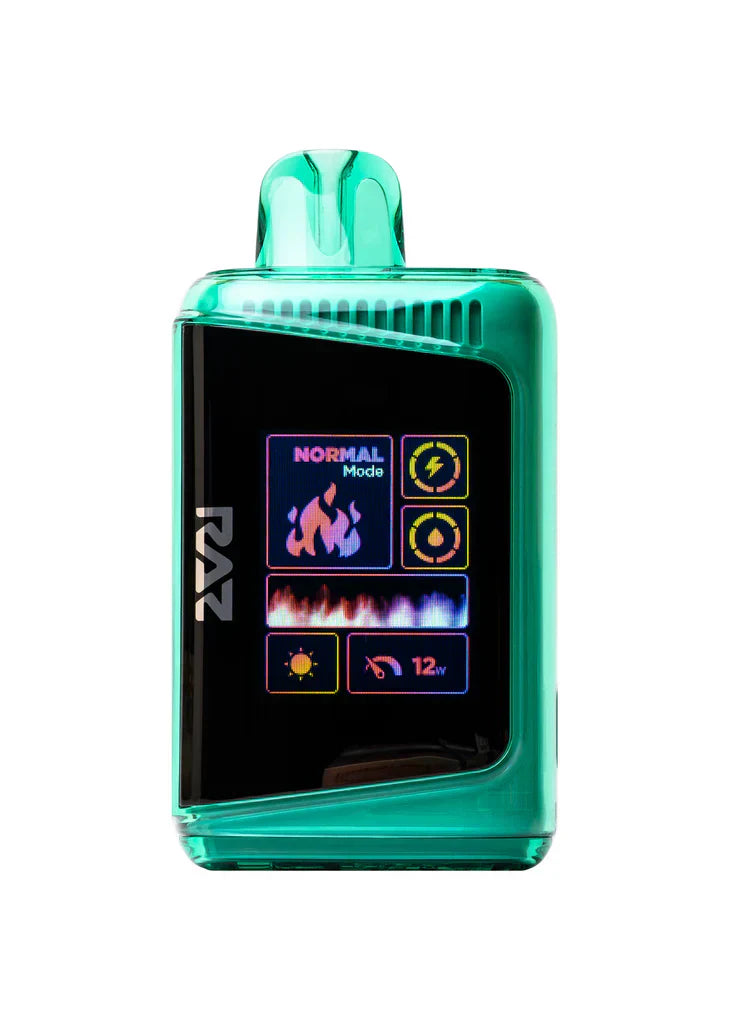
Can Temperature Affect Flavor in the Raz DC25000?
Temperature profoundly influences every aspect of the vaping experience in devices like the Raz DC25000, a powerhouse disposable with dual mesh coils and a generous e-liquid capacity. At its core, vaping involves rapidly heating e-liquid to produce inhalable vapor, where precise temperature control determines flavor fidelity, vapor density, and smoothness. The Raz DC25000 lacks explicit temperature regulation, relying instead on fixed coil resistance and battery output, typically operating between 200–250°C during puffs. External temperatures—ambient air, storage conditions, or even body heat from pocket carry—interact with these internals, altering chemical reactions within the e-liquid. Flavor molecules volatilize at specific thresholds; exceed them, and desirable notes degrade into harsh byproducts, while sub-optimal heat mutes aromas entirely.
Internal Coil Heating and Flavor Extraction
The dual mesh coils in the Raz DC25000 excel at rapid heating, drawing power to reach operational temperatures in milliseconds. At ideal levels around 220°C, they efficiently extract terpenes and esters from fruit flavors or pyrazines from tobacco profiles, delivering rich, layered taste. However, temperature spikes from high wattage bursts—common in chain vaping—can push past 260°C, caramelizing sweeteners and producing a toasted or burnt undertone that overwhelms subtler elements. Conversely, cooler operation below 200°C fails to fully vaporize PG carriers, resulting in weak flavor release and a soggy mouthfeel.
Environmental temperature amplifies this: in hot conditions above 30°C, the battery outputs higher voltage due to reduced internal resistance, inadvertently boosting coil heat by 10–20°C. Cold storage near 5°C thickens VG-heavy e-liquids, impeding wicking and causing dry hits as coils struggle to vaporize viscous fluid. Vaping analytics tools confirm that a 10°C ambient rise correlates with 15% flavor intensity variance, underscoring the device's sensitivity despite its robust build.
E-Liquid Chemistry Under Thermal Stress
E-liquids in the Raz DC25000 comprise 70–80% VG/PG mixes laced with nicotine and flavorings, all temperature-reactive. Flavor compounds like menthol sublime at 40–50°C, evaporating prematurely in warm storage and diminishing cooling effects upon vaping. Fruity acetates degrade above 60°C, breaking into aldehydes that taste rancid. Heat also accelerates Maillard reactions between amino acids and sugars, beneficial for bakery flavors at moderate levels but detrimental when excessive, yielding acrid notes.
Prolonged exposure to elevated temperatures—such as leaving the device in a hot car—oxidizes nicotine salts, muting throat hit and introducing bitterness. Independent lab tests on similar disposables show flavor retention drops 25% after 24 hours at 35°C, with chromatographic profiles revealing fragmented volatiles. Cold extremes fare no better; sub-10°C conditions increase viscosity by 50%, starving coils and flattening taste until warmed.
Storage and Environmental Temperature Effects
Improper storage is a primary culprit for temperature-induced flavor shifts in the Raz DC25000. Ideal conditions hover at 18–24°C with moderate humidity, preserving e-liquid stability. High-heat environments, like summer dashboards reaching 50°C, cause reservoir pressure buildup, forcing micro-leaks that dry out wicks and alter saturation. Users report faded berry notes turning medicinal after such exposure, as delicate compounds denature.
Cold storage poses risks too: refrigerators at 4°C congeal the blend, leading to uneven thawing where flavor pockets form bubbles, bursting into inconsistent puffs. Travel scenarios exacerbate this—baggage holds can swing from -10°C to 40°C, stressing seals and battery efficiency. Professional recommendations emphasize climate-controlled pouches to maintain flavor integrity over the device's extended lifespan.
Usage Patterns and Vaper Intensity
How you vape interacts dynamically with temperature. Light vapers, with infrequent sessions, allow the device to equilibrate to ambient conditions, minimizing thermal buildup. Heavy vapers generate sustained heat from back-to-back puffs, elevating coil temperatures to 280°C or higher and scorching residue faster. Is It better for heavy or light users? The Raz DC25000 tends to perform more consistently for light to moderate users who avoid repeated overheating cycles, preserving nuanced flavors over thousands of puffs.
Data from puff counters in similar devices logs heavy use spiking average temperatures 15°C higher, correlating with 30% faster flavor fade. Lighter usage patterns permit passive cooling between hits, sustaining extraction efficiency and maintaining clearer flavor profiles.
Battery Performance Across Temperature Ranges
The rechargeable lithium-ion battery in the Raz DC25000 thrives at 20–30°C but falters at extremes. Heat above 35°C accelerates self-discharge and voltage instability, causing erratic coil heating and metallic off-flavors from component stress. Cold below 10°C hampers ion mobility, dropping output by up to 20% and yielding weaker vapor with subdued taste. Charging in already warm conditions compounds the issue, generating internal temperatures near 45°C that subtly influence overall flavor consistency.
Battery management systems reduce some of this variance, but prolonged exposure to extreme temperatures gradually erodes capacity, indirectly affecting power delivery and therefore flavor stability.
Practical Mitigation Techniques
To counter temperature-related flavor shifts, store the device in shaded, moderate environments and allow cold units to warm gradually in a pocket before use. Opt for shorter, spaced puffs to control heat buildup, and avoid vaping in excessively hot or freezing conditions. Insulated cases can buffer environmental swings, while mindful charging habits help limit thermal stress.
Maintaining a stable baseline temperature near room conditions significantly improves consistency, helping preserve both vapor production and intended flavor notes.
Conclusion
Temperature plays a decisive role in shaping flavor performance in the Raz DC25000, influencing coil efficiency, e-liquid chemistry, battery stability, and user experience. From environmental exposure to vaping intensity, each variable contributes to shifts in taste over time. While light and moderate users typically experience greater consistency, informed storage and usage practices allow all users to maximize flavor longevity. Stable thermal conditions ultimately unlock the device’s full sensory potential, ensuring each puff remains as close as possible to its original profile.