
Can Temperature Affect Flavor in the Breeze Prime?
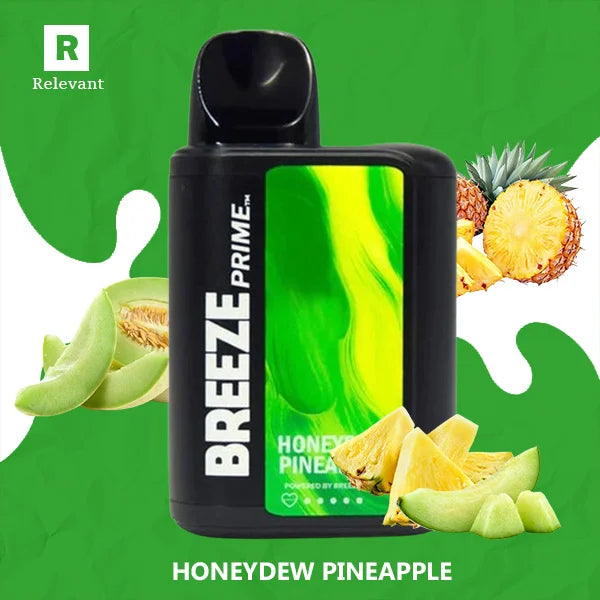
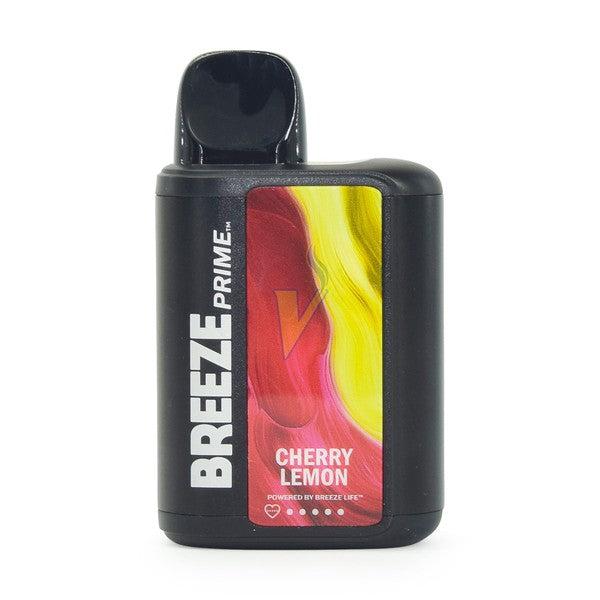
Temperature exerts a profound influence on the e-liquid chemistry within the Breeze Prime, altering the molecular structure of its propylene glycol (PG), vegetable glycerin (VG), flavorings, and nicotine components that define its taste profile. Elevated temperatures accelerate oxidation and thermal decomposition of delicate flavor compounds, particularly in fruit-forward or creamy Breeze Prime variants, where volatile esters break down into less aromatic byproducts, resulting in a muted or scorched aftertaste. Conversely, cold environments thicken the VG-heavy e-liquid, impeding its flow to the integrated mesh coil and wick, which leads to inconsistent vaporization and a diluted, less vibrant flavor delivery during draws. The Breeze Prime's pre-filled pod design, optimized for 6000 puffs, relies on stable ambient conditions to maintain emulsion integrity, but fluctuations as minor as 10°C can shift viscosity by 20-30%, directly impacting how flavors aerosolize. Scientific principles of vapor pressure explain this: higher heat increases evaporation rates unevenly, favoring PG over VG and skewing the sensory balance toward harsher throat hits rather than nuanced taste. Manufacturers engineer these disposables for room-temperature performance around 20-25°C, yet everyday exposure to pockets, cars, or seasonal changes disrupts this equilibrium, manifesting as off-notes that vapers attribute to device failure rather than environmental influence.
Coil and Wick Performance Under Temperature Stress
The Breeze Prime's non-replaceable coil and cotton wick assembly suffers markedly from temperature variations, compromising heat transfer efficiency and flavor extraction precision. In hot conditions exceeding 35°C, the coil overheats prematurely due to reduced e-liquid viscosity, causing localized dry spots on the wick that produce burnt-tasting vapor as organic residues caramelize on the heating element. This gunk buildup—exacerbated by heat-thinned e-liquid flooding the coil—alters resistance levels, leading to power inconsistencies that further degrade flavor fidelity across subsequent puffs. Low temperatures below 10°C, meanwhile, solidify thicker VG ratios common in Breeze Prime's cloud-focused formulations, starving the wick of saturation and yielding weak, flavorless hits until the device warms through prolonged use. Thermal expansion in the pod's plastic housing during heat exposure can also warp seals, allowing air ingress that dilutes concentrate potency and introduces metallic undertones. Extended testing of similar disposables reveals that coils exposed to 40°C ambient heat exhibit 15-25% faster degradation, shortening peak flavor lifespan from weeks to days. Maintaining the Breeze Prime at moderate temperatures preserves wick hydration and coil cleanliness, ensuring the engineered mesh design delivers the crisp, consistent taste it's renowned for.
Battery Efficiency and Vaporization Dynamics
Temperature directly modulates the Breeze Prime's 1500mAh rechargeable battery performance, influencing power output to the coil and thereby the vaporization temperature that shapes flavor perception. Extreme heat stresses lithium-ion cells, causing voltage instability and over-discharge protection triggers that underpower hits, producing cooler, thinner vapor lacking the heat necessary to fully release flavor volatiles. Cold snaps reduce battery capacity by up to 40%, as electrolyte viscosity rises, slowing ion flow and resulting in sputtering draws with suboptimal coil temperatures around 150-180°C instead of the ideal 200-220°C for Breeze Prime's profiles. During charging, high ambient temperatures compound internal heat buildup, risking thermal runaway that warps circuitry and imprints a persistent acrid note on the coil. Adopting the best charging habits, such as using low-amperage USB-C cables in environments between 15-25°C and avoiding direct sunlight, stabilizes battery chemistry and sustains consistent wattage for optimal flavor rendering. Performance data from rechargeable vapes indicates that batteries operated outside 0-40°C lose 10-20% efficiency per cycle, correlating precisely with user-reported flavor shifts in devices like the Breeze Prime.
Airflow and Condensation Variations
Temperature-induced changes in airflow dynamics within the Breeze Prime significantly alter vapor cooling rates and density, which in turn affect how flavors interact with the palate. Hot environments promote excessive internal condensation around the draw-activated mouthpiece and vents, creating moisture barriers that cool vapor prematurely and suppress aromatic compounds before inhalation, yielding a flat or watery taste. In colder settings, contracted airflow paths from chilled pod materials restrict oxygen intake, concentrating heat on the coil and scorching flavors into harsh, bitter profiles disproportionate to the device's MTL (mouth-to-lung) design. Humidity interplay amplifies this: warm, moist air fosters leaks in heat-softened seals, diluting e-liquid and muting top notes like menthol or citrus in Breeze Prime editions. Cool, dry conditions thicken residues in vents, mimicking clogs that force hotter, drier puffs with amplified base notes. Aerodynamic studies on disposables confirm that 5-10°C deviations shift airflow by 15%, enough to drop flavor intensity scores noticeably. Routine inspection and gentle warming equalize these effects, restoring the balanced draw essential for authentic taste.
Storage and Usage Environment Effects
Long-term storage temperatures profoundly dictate the Breeze Prime's flavor longevity by influencing e-liquid stability from unboxing through depletion. Prolonged exposure to heat sources like vehicles or radiators hastens flavor compound volatilization, evaporating lighter molecules and leaving heavier, muddled residues that dominate early puffs. Freezing conditions, while pausing degradation, shock the emulsion upon thawing, causing separation where flavorings stratify and fail to recombine uniformly. Daily carry in varying climates—pockets warming to body heat or outdoor chills—imposes micro-cycles that cumulatively erode taste purity faster than steady conditions. Upright storage in shaded, 18-22°C spaces minimizes gravitational pooling and light-induced photodegradation, preserving Breeze Prime's diverse lineup from blue raspberry to tobacco. User surveys across vaping communities highlight 30-50% flavor retention variance based on storage habits, underscoring temperature as a controllable variable for maximizing device value.
Physiological Taste Perception Factors
Beyond hardware, temperature modulates the vaper's sensory experience by influencing oral and nasal receptor sensitivity during Breeze Prime use. Warmer vapor from hot-device operation can numb taste buds through mild irritation, reducing perception of subtle notes while amplifying perceived sweetness from caramelized sugars. Colder hits constrict blood flow to papillae, dulling overall acuity and making flavors taste muted or icy beyond intent. Systemic body temperature, affected by ambient conditions, further skews this: vapers in heat report exaggerated harshness, while cold dulls complexity. Hydration levels, indirectly tied to environmental dryness, exacerbate these shifts, as dehydrated tissues misinterpret vapor chemistry.
Conclusion
Temperature undeniably affects flavor in the Breeze Prime through intricate interactions with e-liquid chemistry, coil dynamics, battery function, airflow, storage stability, and human physiology, each amplifying deviations from optimal taste profiles. Proactive management—controlled environments, strategic charging, and mindful handling—mitigates these influences, extending vibrant performance across the device's impressive puff count. Vapers who master temperature control unlock the full potential of this rechargeable disposable, transforming environmental challenges into opportunities for sustained excellence.
,%20vegetable%20glycerin%20(VG),%20flavorings,%20and%20ni...)