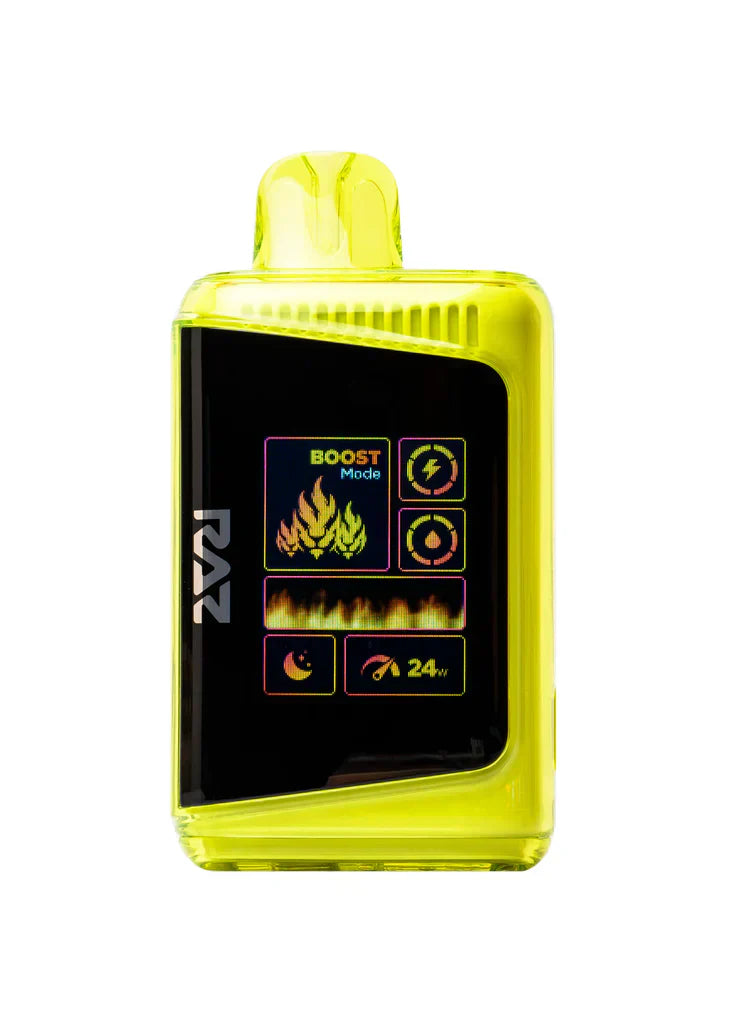

Can Partial Charging Extend Lost Mary MO5000 Battery Life?
The Lost Mary MO5000 has become a popular disposable-style vape device because of its compact size, smooth performance, and rechargeable battery design. For many users, one of the most common questions is whether partial charging can help preserve battery life over time. The short answer is yes, partial charging can be gentler on lithium-ion batteries, but the effect is often smaller than people expect, especially in a device like the MO5000 where the battery and e-liquid lifespan are closely tied. Still, understanding how charging habits affect battery health can help users get more consistent performance from the device.
How the MO5000 Battery Works
The Lost Mary MO5000 uses a rechargeable lithium-ion battery, which is the same basic battery type found in many modern portable electronics. These batteries do not suffer from the old “memory effect” that affected older rechargeable chemistries, so they do not need to be fully drained before being charged again. In fact, lithium-ion batteries generally prefer shallower charge cycles rather than repeated deep discharges. That means topping up the battery before it becomes completely empty can be less stressful than running it all the way down every time.
In practical terms, this means the battery inside the MO5000 can benefit from sensible charging habits. If a user charges the device when it is partially depleted instead of waiting until it is nearly dead, the battery may experience less wear over time. However, because the MO5000 is a compact vape with limited cycle life and a built-in design, the improvement may be modest rather than dramatic. The battery is only one part of the overall device lifespan, so performance also depends on how heavily and how often the vape is used.
What Partial Charging Actually Does
Partial charging means recharging the battery before it reaches a very low level and, ideally, unplugging it before it stays at 100% for long periods. This approach reduces the amount of time the battery spends under the highest voltage stress, which can slow long-term degradation. For lithium-ion cells, staying between moderate charge levels is generally healthier than consistently bouncing between near-empty and full.
For a device like the Lost Mary MO5000, partial charging may help keep the battery feeling more stable across its usable life. Users may notice that the device holds charge more predictably and does not seem to weaken as quickly. That said, partial charging is not a magic solution. All rechargeable batteries age over time, and the MO5000 will still eventually lose capacity whether it is charged partially or fully. The goal is not to make the battery last forever, but to reduce unnecessary stress and extend useful performance for as long as possible.
Why Full Charges Can Add Stress
Charging a lithium-ion battery to full capacity is not harmful by itself, but repeatedly keeping it at maximum charge can create more chemical strain than staying at a moderate level. High voltage is one of the main factors that accelerates battery wear. When a battery spends too much time fully charged, especially in warm conditions, its internal chemistry can degrade faster.
This is one reason partial charging is often recommended for devices that are used frequently. If the MO5000 is charged only when needed and disconnected soon after reaching a usable level, the battery may avoid unnecessary heat and voltage stress. In everyday use, that can translate into slightly better long-term reliability. It is a small advantage, but over many cycles it can make a difference.
Does Partial Charging Improve Real-World Use?
For most users, the main benefit of partial charging is not a dramatic increase in battery capacity, but rather steadier day-to-day performance. The device may feel more responsive, and the battery may degrade more slowly than if it were constantly pushed to the extremes of low and high charge. This can be especially useful for people who use the device throughout the day and want to avoid unexpected battery drops.
In real-world terms, partial charging can also be more convenient. Instead of waiting for the battery to die completely, users can charge it during natural breaks in use. That habit may make the device easier to manage and reduce the chance of running out of power at an inconvenient time. If you carry a vape device regularly, it is also wise to learn to carry it safely, since proper storage and handling can protect the battery and the device body from avoidable damage.
Common Charging Mistakes to Avoid
One of the biggest mistakes users make is leaving the device plugged in for long periods after it is already charged. Overcharging protection helps reduce risk, but it does not eliminate battery wear. Another common mistake is allowing the battery to repeatedly drain all the way down before recharging. Deep discharges place more strain on lithium-ion batteries than moderate top-ups.
Heat is another major concern. Charging the MO5000 in a hot car, under direct sunlight, or near other heat sources can shorten battery life faster than the charging pattern itself. Even partial charging will not help much if the battery is exposed to excessive heat. For best results, the device should be charged in a cool, dry place and handled carefully during storage and transport.
Best Charging Habits for Battery Health
A balanced charging routine is usually the most practical approach. Users do not need to obsess over exact percentages, but it helps to avoid both extremes. Charging before the battery gets critically low and unplugging it once it reaches a reasonable level can support better longevity. Occasional full charges are fine, but they should not become the default habit if battery preservation is the goal.
It also helps to use the correct charging cable and avoid unreliable adapters. Poor-quality chargers can create unstable power delivery, which may generate extra heat or stress the battery circuitry. Gentle, consistent charging is typically better than fast, inconsistent charging, especially for a compact device like the MO5000. Small habits like these can help keep the device performing more consistently over time.
Limitations of Battery Preservation
Even with perfect charging habits, a rechargeable battery will still age. Lithium-ion cells slowly lose capacity as they go through charge cycles and as their internal chemistry naturally changes over time. In a disposable-style vape device, this reality matters because the battery is designed for a limited service life, not indefinite replacement or maintenance.
That means partial charging should be seen as a way to optimize, not fully transform, the battery’s lifespan. It may help delay some decline, but it cannot stop it. The device’s overall durability also depends on usage frequency, storage conditions, and the quality of the internal battery itself. Users who understand these limits will have more realistic expectations and better results.
Conclusion
Partial charging can help extend the Lost Mary MO5000 battery life to a degree because lithium-ion batteries generally prefer moderate charge levels over repeated deep drains and long periods at full charge. While the benefit is not huge, it can support steadier performance and reduce unnecessary wear over time. The most practical approach is to charge the device before it gets too low, avoid leaving it plugged in longer than needed, and keep it away from heat and rough handling. In the end, partial charging is a smart habit, but it works best as part of a broader routine of careful use and proper storage.