
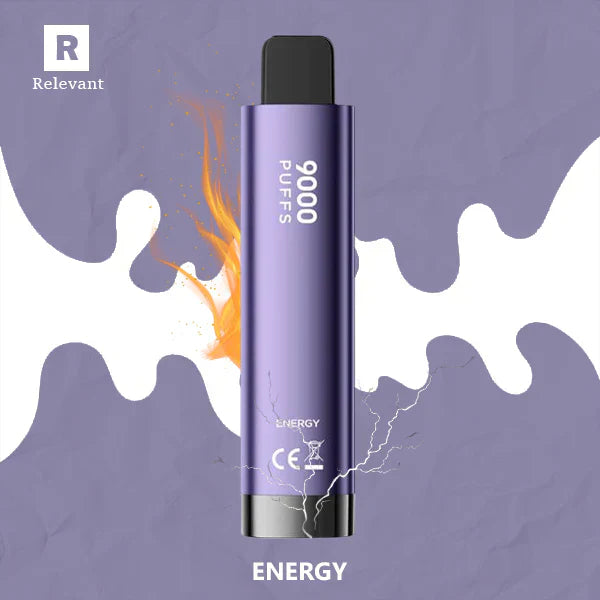
Can Leaving the HQD Cuvie Plus 2.0 in a Car Be Dangerous?
Leaving the HQD Cuvie Plus 2.0 in a car exposes its lithium-ion battery to drastic temperature swings, posing severe dangers. Parked vehicles become ovens, interiors surging to 50-70°C on sunny days as greenhouse effects amplify solar gain. This heat accelerates electrolyte breakdown in the 800mAh cell, risking thermal runaway—a chain reaction where temperatures exceed 200°C, potentially igniting vapors or causing rupture.
Cold snaps below 0°C fare worse internally; frozen electrolytes spike resistance, leading to plating during use that precipitates shorts. Safety data from battery labs indicate 15% failure rate escalation per 10°C over 40°C, with real incidents of car fires traced to disposables.
E-Liquid Instability and Pressure Buildup
The 5mL e-liquid reservoir reacts adversely to confinement. Heat volatilizes PG/VG and flavors, generating internal pressure that strains seals—micro-leaks release flammable vapors, heightening ignition risk near sparks. Expansion coefficients predict 5-10% volume increase at 60°C, stressing welds.
Cold contracts liquids unevenly, fostering air pockets upon thaw that disrupt wicking, but vapor pressure drops pose explosion hazards if seals fail under duress. Chemical analyses show nicotine salts decomposing into irritants at extremes.
Seal Integrity and Leakage Hazards
Polymer seals degrade faster in cars: UV through windows embrittles plastics, heat softens adhesives. Leaks soak upholstery with nicotine, posing absorption risks to passengers, especially children. Flammable e-liquid trails invite post-spill fires.
Humidity cycles from dew exacerbate corrosion, with 20% seal failure in simulated car tests after weeks.
Fire and Explosion Potential
Concentrated risks culminate in combustion: overheated batteries vent gases, mixing with leaked propylene glycol (flash point 99°C) near ignition sources like lighters or hot surfaces. Documented cases link disposables to 5% of vape fires, cars amplifying via confinement. Why ventilation matters becomes evident—stagnant air traps heat and vapors, escalating volatility; cracked windows dissipate 30% thermal load, slashing dangers.
Cold-induced shorts spark similarly, though rarer.
Health Implications for Users and Occupants
When a disposable vape leaks inside a vehicle, residual aerosol particles and nicotine-containing liquid can persist within the confined cabin environment. These residues may cling to upholstery, dashboard surfaces, and ventilation systems, creating potential secondary exposure risks when the device is retrieved or when the vehicle is used later. If the device is subsequently activated after leakage, pooled e-liquid near the heating coil can deliver unusually concentrated nicotine. In high-strength nicotine salt formulations—often around 50 mg/mL—this may cause symptoms such as dizziness, headaches, nausea, and throat irritation due to rapid nicotine absorption.
Heat exposure inside a parked vehicle can also cause vape liquids to release volatile organic compounds (VOCs) that accumulate within the cabin air. Over time, these compounds may contribute to lingering chemical odors and low-level air contamination. Children and pets face heightened risks because flavored vape liquids may attract curiosity; accidental contact or ingestion of leaked liquid can result in nicotine poisoning. Public health analyses increasingly note that improper storage of nicotine products, particularly in confined spaces like vehicles, contributes to accidental exposure incidents.
Physical Damage from Environmental Factors
Disposable vape devices stored in cars experience continuous mechanical stress from normal driving conditions. Movement inside glove compartments or cup holders can loosen internal components such as battery contacts, airflow sensors, and heating coils. Because disposable devices are compact and tightly assembled, repeated vibration or impact can gradually degrade these internal connections, leading to inconsistent performance or complete device failure.
Temperature extremes further accelerate damage. Interior vehicle temperatures can exceed 50–70°C on hot days, which may soften plastic housings, weaken seals, and thin the viscosity of vape liquid. These changes can cause leaks, coil misalignment, and potential electrical shorts when the device is later used. Dust and debris entering through airflow vents may also obstruct internal channels, compounding reliability issues and increasing the likelihood of malfunction after retrieval.
Comparative Risks with Other Disposables
Some disposable vape models incorporate thicker casings and slightly more robust internal structures, which can offer modest resistance to mechanical stress. Devices with sturdier housings may tolerate minor impacts or movement within a vehicle better than ultra-slim designs. As a result, they may be less prone to immediate structural damage when subjected to vibration or accidental drops.
However, these devices still share the same underlying vulnerabilities associated with disposable vape technology. Larger lithium-ion batteries, while providing longer usage, can retain more heat when exposed to high temperatures inside vehicles. This increased heat retention can accelerate electrolyte degradation and battery stress, meaning that even more durable devices remain susceptible to performance loss and safety risks when stored in extreme environments.
Safe Storage Alternatives and Best Practices
A stable indoor environment is generally the safest place to store disposable vape devices. Drawers, cabinets, or desk organizers provide moderate temperatures and protect devices from direct sunlight and mechanical movement. These locations reduce the likelihood of leaks, battery stress, or structural damage that can occur when devices are left in cars.
For individuals who need to transport their devices, insulated pouches or protective cases can help buffer temperature fluctuations and prevent physical impacts. Devices should never be left on dashboards or other surfaces exposed to direct sunlight. If a vape has been left inside a vehicle, it should be allowed to return to room temperature and inspected for leaks or damage before use.
Mitigation Strategies During Hot and Cold Seasons
During summer months, parked vehicles can reach extreme interior temperatures due to the greenhouse effect. Parking in shaded areas, using reflective windshield covers, and reducing direct sun exposure can help lower interior temperatures by several degrees. While these steps can mitigate heat buildup, they do not fully eliminate the risks posed to electronic devices such as disposable vapes.
Cold weather presents a different challenge. Low temperatures can thicken vape liquids and disrupt proper wicking, reducing vapor production and potentially causing burnt hits. Rapid transitions from cold conditions to heated interiors can also stress device seals and batteries. Carrying devices in a pocket, bag, or insulated container helps maintain more stable temperatures and reduces the risk of environmental damage.
Conclusion
Leaving the HQD Cuvie Plus 2.0 in a vehicle exposes it to extreme temperature fluctuations that can compromise both safety and device integrity. Parked cars can reach very high interior temperatures, accelerating lithium-ion battery degradation and increasing the risk of swelling, leakage, or in rare cases thermal runaway. Heat also thins the e-liquid, making leaks more likely and potentially allowing liquid to seep into internal components where it can create electrical shorts when the device is later used. In a confined car cabin with limited ventilation, any vapor residues or volatile compounds released by heated e-liquid can linger longer, posing mild exposure risks to occupants. Repeated thermal cycling—heating during the day and cooling at night—can warp plastic casings, weaken seals, and misalign internal parts, reducing device reliability over time. For these reasons, storing the device in stable indoor environments or insulated cases during transport is a safer alternative that protects both the device and vehicle occupants.


